Cleaning Robotics for Safer Property Care
A dirty upper facade is not just a cosmetic problem when it takes scaffolding, lift rentals, blocked parking, and weeks of disruption to address it. For South Florida property owners and managers, cleaning robotics offers a more practical way to reach difficult exterior surfaces while keeping people, residents, and daily operations safer.
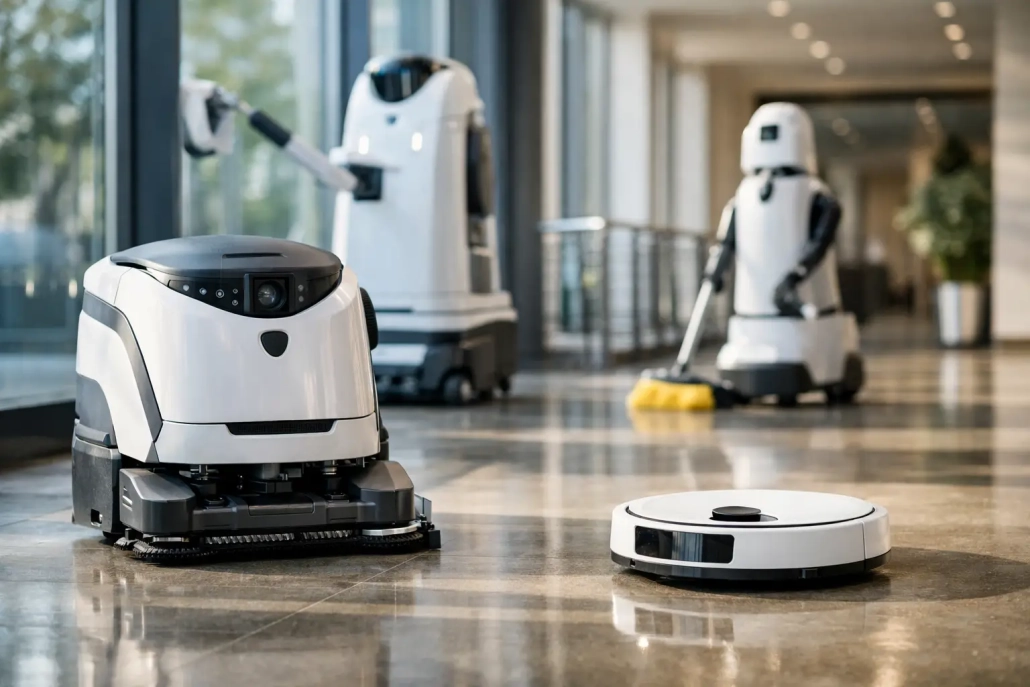
The term covers more than one kind of machine. Robotic floor scrubbers can maintain large indoor spaces, while aerial cleaning drones are designed to help trained crews clean elevated building exteriors. The right solution depends on the property, the material being cleaned, the level of buildup, and the access challenge. Technology is valuable when it improves the work, not when it replaces the judgment needed to protect a property.
Why Cleaning Robotics Matters in South Florida
Palm Beach County properties face conditions that make routine exterior cleaning a necessity. Humidity, salt air, wind-blown debris, mold, mildew, algae, pollen, and heavy rain can leave roofs, walls, balconies, windows, pool decks, and walkways looking neglected faster than many owners expect.
On a one-story home, a skilled ground crew may be able to handle most surfaces with the appropriate equipment. On a condominium, hotel, commercial building, or multi-story residence, access changes the equation. Traditional methods may require boom lifts, suspended platforms, scaffolding, large work zones, and substantial setup time. Those methods still have a place for certain repairs and specialized projects, but they are not always the most efficient choice for exterior cleaning.
Drone-based cleaning gives professional teams another option. Instead of placing workers at height for every section of a building, a trained operator can guide an aerial system to targeted areas while the cleaning crew manages the process from the ground. This can reduce the need for bulky access equipment and help keep entrances, parking areas, and common spaces more available.
How Aerial Cleaning Drones Work
A cleaning drone is not a consumer camera drone with a spray bottle attached. Professional aerial cleaning requires purpose-built equipment, experienced operation, carefully managed hoses and cleaning solutions, and a site plan that accounts for people, vehicles, landscaping, wind, and the building itself.
The drone carries or directs a low-pressure cleaning application to the surface. For many exterior materials, low pressure is the safer starting point because it allows the cleaning solution to do the work rather than relying on force alone. This matters on painted stucco, siding, exterior panels, certain roof surfaces, and other finishes that can be damaged by overly aggressive pressure washing.
The process should begin with an assessment. A qualified crew looks at the surface material, staining or organic growth, water access, drainage, nearby pedestrian areas, and sensitive features such as landscaping, windows, solar panels, vents, and outdoor furnishings. The cleaning method is then matched to the property rather than treating every dirty surface the same way.
After the work area is prepared, the operator performs controlled passes over the planned sections. Ground staff monitor hose position, runoff, exclusion zones, and the condition of the surface. The goal is visible improvement without creating unnecessary disturbance for residents, tenants, customers, or neighboring properties.
The Real Benefits Are Safety and Access
The most meaningful advantage of cleaning robotics is not novelty. It is a better approach to difficult access.
For HOA boards and property managers, reducing work at height can lower the exposure that comes with placing technicians on ladders, lifts, or suspended equipment. It can also minimize the footprint of the project. A lift may need staging space, route access, and parking restrictions. Scaffolding can stay in place for extended periods. Drone cleaning can often work with a smaller ground-level setup, although every property has its own operational requirements.
Less disruption also matters to the people who live and work on-site. Residents do not want a cleaning project to block their entrance, close a pool deck, or take over visitor parking longer than necessary. Commercial operators need to protect customer access and keep their property presentable during business hours. A well-planned aerial cleaning service can help reduce those interruptions while still addressing high, exposed surfaces.
There is a visual benefit, too. Mold streaks, algae growth, and traffic film can make a well-maintained building appear older than it is. Regular exterior cleaning supports curb appeal, protects the impression a property makes on prospective buyers or tenants, and helps managers stay ahead of buildup before it becomes a larger restoration issue.
Where Cleaning Robotics Fits Best
Aerial cleaning is especially useful when a surface is elevated, broad, or awkward to reach from the ground. Multi-story condominiums, apartment buildings, office properties, hotels, warehouses, schools, and large residential homes are common examples. It can also be a strong fit for exterior walls, upper-story facades, hard-to-reach overhangs, roof-adjacent areas, and other locations where access equipment would add significant cost or inconvenience.
That does not mean a drone is the answer to every cleaning job. Ground-level driveways, patios, sidewalks, tile, grout, carpets, upholstery, and interior floors often require hands-on cleaning methods and specialized tools. Deep stains, damaged coatings, loose building materials, and areas needing repair should be evaluated before any cleaning begins. A drone can improve access, but it cannot correct a failing surface or replace needed maintenance.
Wind and weather also affect scheduling. South Florida rain patterns and afternoon storms can change conditions quickly, and safe drone operation depends on suitable weather. A professional provider should be direct about those limits instead of promising a one-size-fits-all timeline.
What Property Managers Should Ask Before Scheduling
The best cleaning plan starts with clear questions. Ask what cleaning method is appropriate for your exterior material and whether low-pressure treatment is recommended. Confirm how the provider will protect landscaping, vehicles, pedestrians, pool areas, and nearby windows. Discuss where water will be sourced, how runoff will be managed, and whether residents need advance notice.
It is also reasonable to ask about operator experience, insurance, site controls, and the expected condition of the surface after cleaning. Organic buildup may clear quickly, while deeply embedded staining, oxidation, or permanent discoloration can require a different approach. Honest expectations matter. A professional cleaning company should explain what can be cleaned, what may need restoration, and what maintenance schedule makes sense for the property.
For larger communities and commercial sites, planning is often as important as the cleaning itself. The work may need to be divided by building section, scheduled around resident activity, or coordinated with security and facility teams. Clear communication helps prevent surprises and keeps the project moving efficiently.
Technology Still Needs Skilled Cleaning Professionals
A drone is only one part of the service. The results depend on the crew’s understanding of cleaning chemistry, pressure selection, surface conditions, and property protection. Using the wrong solution, too much pressure, or poor runoff control can turn a simple cleaning job into an expensive problem.
That is why the strongest approach combines advanced access technology with established cleaning experience. The Cleaners Drones brings drone-powered exterior cleaning together with practical services for interiors, floors, hard surfaces, and restoration needs. A property does not have to work with separate providers just because its cleaning challenges are at different heights.
For homeowners, the value is a cleaner exterior without turning the property into a construction zone. For HOAs, condominium boards, and commercial managers, it is a way to maintain building appearance while putting safety, access, and operational continuity first.
If an upper facade, exterior wall, or difficult-access surface has been put off because the equipment requirements felt excessive, it may be time to evaluate a drone-powered cleaning plan. The right inspection can turn a complicated access problem into a manageable maintenance project with visible results.


Leave a Reply
Want to join the discussion?Feel free to contribute!