Softwash Service Review: What Results Should You Expect?
A useful softwash service review should tell you more than whether a building looked better when the crew left. For South Florida homeowners, HOA boards, and property managers, exterior cleaning is a decision about surface protection, resident safety, curb appeal, and how much disruption a property can absorb. The best results are visible right away, but the process behind them matters just as much.
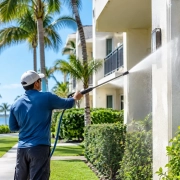
Softwashing is designed for surfaces that should not be hit with aggressive pressure. That includes many roofs, painted exteriors, stucco, siding, screens, decorative trim, pavers, and high-rise facades. Instead of relying on force, a trained team applies a carefully selected cleaning solution at low pressure, allowing it to break down algae, mildew, organic staining, and surface grime before a controlled rinse.
What a Good Softwash Service Review Should Cover
A credible review of a softwashing provider usually starts with the condition of the property before work begins. Green algae on a barrel-tile roof, black streaks on stucco, mildew around shaded walkways, and salt-air buildup on coastal buildings are not all the same problem. They may look similar from a driveway or parking lot, but the correct cleaning approach depends on the material, the stain, the building height, and nearby landscaping.
The provider should inspect the surface rather than offer a one-size-fits-all answer. A roof with brittle tiles, older paint, loose mortar, or existing leaks may need special precautions. Pavers may need a different plan than a screened enclosure. On commercial and multifamily buildings, the crew should also consider pedestrian areas, parked vehicles, storefront access, resident schedules, and drainage.
Strong service reviews often mention punctuality, clear communication, and thorough protection of the property. Those details are not extras. They are evidence that the company has a reliable operating process, especially when exterior cleaning involves chemicals, elevated work, or shared spaces.
The Results You Should See After Softwashing
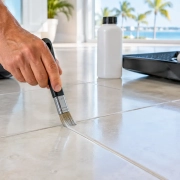
The immediate result should be a cleaner, more even-looking exterior without the etched or scarred appearance that excessive pressure can leave behind. Roof tiles should look refreshed, not blasted. Painted surfaces should be free of obvious organic growth while retaining their finish. Walkways, walls, pool decks, and entry areas should look brighter without creating a mess around doors, landscaping, or outdoor furniture.
Some stains are permanent and should be discussed honestly before work starts. Rust marks, deep irrigation stains, oxidation, paint failure, and embedded mineral deposits may require specialty treatment or may not fully disappear. A professional should set expectations rather than promise every surface will look brand new.
With algae and mildew, softwashing often produces a more complete visual improvement than rinsing alone because it addresses the biological growth at the source. That can help the cleaned area stay presentable longer. Still, no exterior cleaning result lasts forever in Palm Beach County’s humidity, rain, shade, and coastal air. How long it stays clean depends on sun exposure, tree coverage, irrigation patterns, roof design, and the surrounding environment.
Clean Should Not Mean Damaged
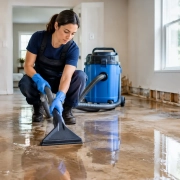
A softwash service is only successful if the surface is cleaner and the property is protected. Before work begins, crews should take steps to manage nearby plants, windows, exterior fixtures, and drainage areas. They should also use the right dilution, application method, and rinse procedure for the job.
This is where low pressure matters. High pressure can force water behind siding, damage fragile roof materials, strip paint, disturb grout, or push contaminants into places they do not belong. Pressure washing still has a place for durable concrete and certain hard surfaces, but it is not the default answer for every exterior stain.
The right method depends on the surface. If a contractor recommends the exact same approach for a delicate roof, a stucco wall, and a stained driveway, that is a reason to ask more questions.
Questions to Ask Before You Approve the Work
You do not need to be a cleaning expert to evaluate a proposal. A few direct questions can reveal whether the company understands the job and has planned for your property.
Ask what method will be used on each surface and why. Ask how plants, outdoor furnishings, windows, and vehicles will be protected. If the work is on a multi-story building, ask how the crew will access upper elevations and keep sidewalks, entrances, and parking areas safe.
For homeowners, it is also reasonable to ask whether someone needs to be present, whether windows should stay closed, and how long outdoor areas should remain clear. For HOAs and commercial properties, clarify the work schedule, resident notification plan, traffic controls, and any sections that need to remain open during service.
A clear written scope is particularly valuable. It should identify the areas to be cleaned, any limitations caused by staining or material condition, and the process for handling unexpected issues. A low price is not necessarily a good value if it leaves out surface preparation, plant protection, upper-story access, or cleanup.
Why Access Changes the Softwashing Experience
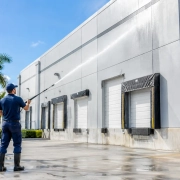
Traditional exterior cleaning can require ladders, boom lifts, scaffolding, and long work zones. Those methods may be necessary in some situations, but they can create added costs, blocked parking, noise, and extended disruption. For condominium communities, hotels, office buildings, and multi-story homes, access is often the hardest part of the project.
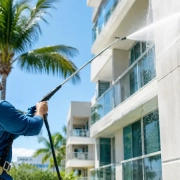
Drone-powered exterior cleaning gives property decision-makers another option. A specialized cleaning drone can apply low-pressure, eco-friendly cleaning treatments to difficult-to-reach exterior surfaces without placing technicians on scaffolding or lifts. The result is a safer approach to many elevated cleaning jobs, with fewer ground-level obstacles for residents, tenants, guests, and employees.
It is not a replacement for every cleaning method. Detailed hand work, close inspection, repairs, and certain specialty surfaces may still require technicians at the work area. But for tall facades, upper stories, and broad exterior elevations, aerial cleaning can reduce setup time and limit the disruption that often comes with conventional access equipment.
The Cleaners Drones uses this technology to help South Florida properties address hard-to-reach exterior cleaning needs while maintaining the careful, material-specific approach expected from a professional cleaning company.
How to Read Reviews With a Critical Eye
Five-star ratings are helpful, but the most valuable comments contain specific details. Look for feedback about the condition of the property before cleaning, the areas addressed, how the crew treated landscaping and personal property, and whether the company communicated clearly. A review that says a driveway, tile roof, patio, or building exterior was restored after heavy staining tells you more than a simple statement that the service was “great.”
For larger properties, look for signs that the provider managed the project well. Did the work interfere with residents or customers? Was the crew professional around the property? Did the company finish on schedule? Were issues identified early instead of ignored? Those are the practical measures that matter when you are responsible for a community or commercial site.
Also pay attention to how a company responds when a customer raises a concern. Exterior materials can reveal hidden wear, old staining, or maintenance problems once cleaning begins. A dependable provider explains what happened, documents the condition, and offers a practical next step.
Choosing for Lasting Property Care
Softwashing should support a larger maintenance plan, not serve as a temporary cosmetic fix. Regular cleaning can help a property maintain its appearance, reduce the buildup of slippery organic growth on walkways, and make developing issues easier to spot. It also helps owners avoid waiting until staining becomes severe enough to affect first impressions, resident satisfaction, or tenant confidence.
The right schedule varies. A shaded roof near trees may need attention sooner than a sunny exterior wall. A coastal condominium may face salt accumulation that an inland property does not. Rather than choosing service on a rigid calendar, monitor the surfaces that collect moisture and debris first.
When you request a quote, look for a provider that sees the whole property, explains the trade-offs, and recommends the safest effective method. Clean exterior surfaces make a strong first impression, but careful work is what protects that impression long after the crew has packed up.