
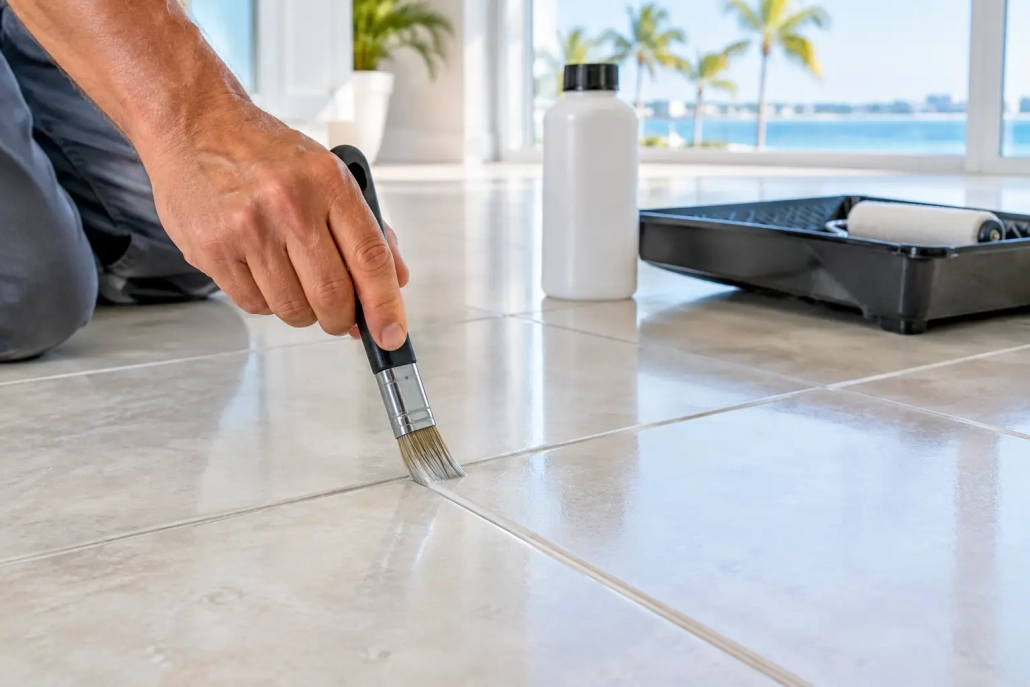
Grout Resealing Frequency for South Florida Tile
A clean tile floor can still look tired when the grout has turned dark, uneven, or permanently damp-looking. The right grout resealing frequency helps prevent that decline by keeping porous grout better protected from water, spills, oils, and everyday soil. For South Florida homeowners and property managers, that protection matters even more in busy bathrooms, kitchens, entryways, pool-adjacent areas, and rental properties that see steady use.
Resealing is not a cosmetic shortcut. It is the final protective step after grout has been properly cleaned and restored. Done at the right time, it makes routine maintenance easier and helps preserve the crisp, clean lines that make tile look its best.
How Often Should Grout Be Resealed?
For most cement-based grout, a practical schedule is to inspect it once a year and reseal it every one to three years. The shorter end of that range is common for shower floors, family bathrooms, kitchen floors, and high-traffic commercial areas. Low-use backsplashes, guest bathrooms, and decorative wall tile may go three to five years between applications.
There is no single calendar rule for every room. Grout sealer wears based on foot traffic, moisture exposure, cleaning habits, the quality of the original sealer, and whether the grout was fully cleaned before it was sealed. A busy condo shower used twice a day will need attention sooner than a rarely used powder-room floor.
For many Palm Beach County properties, annual inspection is the smart baseline. South Florida’s humidity does not automatically destroy grout sealer, but constant moisture, wet feet, sand, sunscreen, hard-water residue, and frequent cleaning can shorten its useful life.
A practical room-by-room schedule
Shower floors and shower walls usually deserve the closest attention. Inspect them every six to 12 months, especially if water seems to soak into the grout quickly or the lines stay dark after cleaning. Many shower floors benefit from resealing about once a year, while shower walls may last longer depending on ventilation and use.
Kitchen floors and high-traffic living areas commonly need resealing every one to three years. Grease, cooking residue, pet accidents, tracked-in moisture, and routine mopping gradually reduce protection. Grout near exterior doors, garages, patios, and pool entrances can also wear faster because of grit and moisture.
Backsplashes and low-traffic wall tile often need less frequent service. A quality sealer can perform well for several years when the area is cleaned gently and is not exposed to standing water.
Signs Your Grout Needs Resealing Sooner
The calendar is useful, but the condition of the grout tells the more important story. If grout is absorbing water, staining quickly, or becoming difficult to keep clean, the sealer may be wearing away.
A simple water test can help. Place a few drops of water directly on a clean grout line, not on the tile. If the drops remain beaded on the surface for several minutes, protection is likely still working. If the grout darkens right away or absorbs the water, it is time to plan cleaning and resealing.
Watch for other changes as well: stains that reappear soon after mopping, grout lines that look blotchy, soap scum that clings in the shower, or dirt that settles into the grout texture instead of lifting away. These are often signs that the grout is exposed and becoming more porous.
Dark grout is not always a sealer problem. It may be embedded soil, mildew, mineral buildup, old coating residue, or damage beneath the surface. Simply applying more sealer over stained grout can lock in the problem and leave the floor looking the same.
What Shortens the Life of Grout Sealer?
The biggest factor is traffic. Fine sand and grit act like abrasives on floor grout, particularly in entryways and homes close to the coast. Regular sweeping helps, but floors used by children, pets, guests, or tenants naturally need more frequent care.
Cleaning products also matter. Harsh acidic cleaners, bleach-heavy formulas, and frequent aggressive scrubbing can break down sealer and erode grout over time. This does not mean grout should be ignored or cleaned lightly. It means the cleaning method should match the tile and grout material. A professional-grade cleaning process can remove soil without using methods that cause unnecessary wear.
Moisture is another major factor. A shower with poor ventilation, a leaking fixture, or water that pools around a shower curb puts more stress on grout than normal daily use. In these cases, resealing may help, but it cannot solve an underlying plumbing or waterproofing issue.
Some properties also have topical coatings or older sealers that wear unevenly. These can make grout look patchy, attract soil, or prevent a new sealer from bonding correctly. Proper preparation is what separates a lasting result from a temporary improvement.
Not Every Grout Line Needs Sealer
Most recommendations about grout resealing apply to traditional cement-based grout, which is naturally porous. Epoxy grout is different. It is highly resistant to stains and moisture and generally does not need a penetrating grout sealer. Some newer premixed or high-performance grout products may also have built-in stain resistance.
If you are unsure what type of grout is installed, do not assume more sealer is always better. Check the original installation information if it is available, or have the surface evaluated by a tile and grout professional. Using the wrong product can leave haze on tile, create a sticky surface, or provide no meaningful benefit.
Natural stone adds another layer of caution. Stone, grout, and tile may require different sealers and cleaning methods. Marble, travertine, limestone, and some other stones can be damaged by acidic products that might be used casually on ceramic or porcelain tile.
Clean First, Then Reseal
Resealing works best when grout is clean, dry, and sound. That order matters. If dirt, oils, mildew, or residue remain in the grout, sealer can trap discoloration underneath and make future restoration more difficult.
A professional service typically begins by assessing the tile, grout condition, stains, and previous coatings. The grout is then deep-cleaned with the appropriate equipment and solutions, followed by thorough drying before sealer is applied. If grout is cracked, missing, loose, or failing, repairs should come before sealing.
This is especially valuable in showers and heavily used tile floors where surface cleaning alone may not remove the buildup inside porous grout. The visible difference after deep cleaning can be dramatic, but the protective sealer is what helps that cleaner appearance last.
Habits That Help Sealer Last Longer
You do not need a complicated maintenance routine. Sweep or vacuum grit from tile floors regularly, clean spills promptly, and use a neutral cleaner made for tile and grout rather than harsh, all-purpose chemicals. In showers, a quick squeegee after use reduces standing water and soap residue.
Use mats at exterior doors and in areas where wet feet are common, but avoid rubber-backed mats that can trap moisture against the floor. For commercial spaces and multifamily properties, routine janitorial products should be reviewed to make sure they are compatible with sealed grout and the tile itself.
If grout begins looking dirty again shortly after cleaning, do not keep escalating to stronger chemicals. That pattern often signals that the sealer has worn away, the grout has deeper contamination, or the cleaning approach needs to change.
When Professional Resealing Makes Sense
DIY sealing can work on small, clean areas with intact grout. The trade-off is preparation. The grout must be truly clean and dry, the right sealer must be selected, and excess product needs to be removed from tile before it dries. Skipping any of those steps can create streaks, haze, or uneven protection.
For large floors, showers, rentals, restaurants, condo common areas, or tile with stubborn discoloration, professional cleaning and resealing is often the more dependable choice. The Cleaners Drones helps property owners restore tile and grout with material-appropriate cleaning, detailed preparation, and protection designed to keep maintained surfaces looking cleaner longer.
If water now disappears into your grout instead of beading on top, treat it as an early maintenance signal. Addressing it before stains and buildup become deeply embedded is usually faster, more cost-effective, and far more satisfying than waiting until the entire floor looks worn out.



Leave a Reply
Want to join the discussion?Feel free to contribute!