
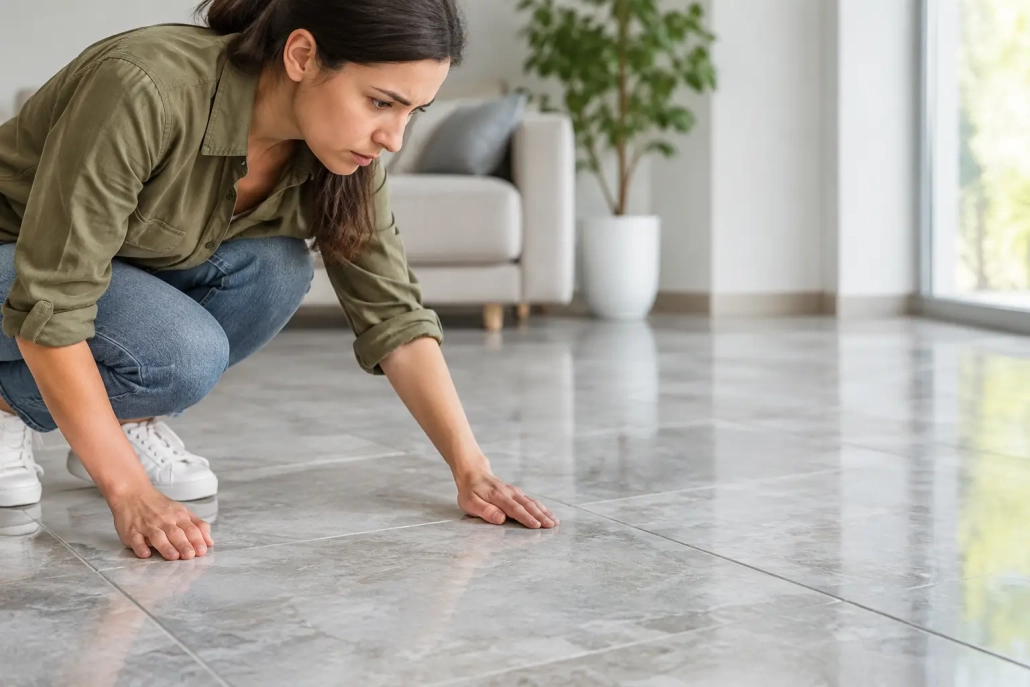
8 Clear Signs Your Tile Needs Restoration
A tile floor can look clean right after mopping and still be carrying years of wear below the surface. In South Florida, humidity, sand, pool traffic, hard water, and everyday foot traffic can age tile and grout faster than many property owners expect. Knowing the signs your tile needs restoration helps you act before a dull floor becomes a moisture problem, a slip concern, or an expensive replacement project.
Restoration is not simply a stronger cleaning. It is a material-specific process that removes embedded buildup, addresses damaged grout, and can restore a more even, protected finish. The right approach depends on whether the issue is surface soil, failed grout, etching, cracked tile, or moisture getting where it should not.
1. Your Tile Still Looks Dirty After Cleaning
If you mop regularly but the floor continues to look gray, dingy, or uneven, surface cleaning is probably no longer enough. Porous grout collects soil, oils, soap residue, and cleaning-product buildup over time. Textured tile can do the same, especially in entryways, kitchens, bathrooms, and pool-adjacent areas.
A common clue is seeing clean-looking tile around the perimeter of a room but darker traffic paths through the center. That difference is not always permanent discoloration. Often, it is compacted dirt that ordinary mopping pushes around rather than removes.
Professional tile and grout cleaning uses the right combination of cleaning solution, agitation, and extraction to lift embedded soil. Once the true condition of the surface is visible, a technician can determine whether cleaning alone will produce the result you want or whether restoration work is needed.
2. Grout Lines Are Dark, Blotchy, or Stained
Grout is usually the first part of a tiled surface to show its age. It is more porous than tile, so it absorbs spills and holds on to grime. Darkened grout in a shower may be caused by soap scum, body oils, moisture, or mildew. In a kitchen, it may come from cooking grease and food spills. On a floor, it is often a combination of traffic soil and residue from improper cleaning products.
Some staining can be removed with deep cleaning. Other stains have penetrated too far into the grout or changed its color permanently. In those cases, grout color sealing can provide a more consistent appearance while creating a protective barrier against future staining.
This matters for more than appearance. Clean, sealed grout is easier to maintain and less likely to absorb moisture and contaminants between professional cleanings.
3. Grout Is Cracked, Missing, or Crumbling
Cracked or missing grout is one of the clearest signs that your tile needs restoration rather than routine cleaning. Grout does not hold tile in place by itself, but it fills the joints, supports the tile edges, and helps prevent water and debris from entering beneath the surface.
Small cracks may develop from normal settling, heavy impacts, vibration, or changes in temperature and moisture. In bathrooms, showers, laundry rooms, and commercial spaces, deteriorating grout can give water a path behind or beneath the tile. That can lead to loose tile, mold concerns, or damage to the subfloor or wall system.
Restoration may include removing failed grout, repairing joints, and resealing the finished surface. If tiles are moving, hollow-sounding, or visibly lifting, the issue may be more than grout alone and should be assessed before cosmetic work begins.
4. Tile Has Lost Its Original Color or Sheen
Tile does not always need to be replaced when it looks faded. A dull appearance can come from accumulated mineral deposits, cleaning residue, fine abrasion from sand, or damage from harsh chemicals. This is especially common in Palm Beach County homes where outdoor moisture and tracked-in grit meet tile floors every day.
The solution depends on the material. Ceramic and porcelain tile can often respond well to deep cleaning and targeted restoration. Natural stone requires more caution because acidic cleaners, abrasive pads, and the wrong degreasers can etch or dull the surface further. Stone may need honing, polishing, or sealing by a professional who understands that specific material.
The trade-off is straightforward: aggressive DIY cleaning may create a short-term improvement while causing permanent surface damage. If you are unsure what your tile is made of or what has been used on it in the past, a professional evaluation is the safer first step.
5. Water No Longer Beads on Grout or Stone
Sealers are not permanent. They wear down from foot traffic, scrubbing, moisture, pool chemicals, and daily cleaning. When grout or natural stone is properly sealed, water typically beads or sits briefly on the surface. When it absorbs quickly and darkens the material, protection may be failing.
A simple water test can provide a useful clue. Place a few drops of water on a discreet grout line or stone area. If the water soaks in rapidly, it may be time for cleaning and resealing. Do not use this test on a surface that already has known cracks, loose tile, or active moisture problems.
Sealing is not a substitute for repair, but it is an important part of restoration when the surface is sound. It helps reduce staining, simplifies maintenance, and can extend the life of the tile installation.
6. There Is White Chalky Buildup Near Showers or Exterior Doors
White, crusty residue is often efflorescence or mineral buildup. It can appear on grout, tile, pavers, and lower wall areas where moisture moves through the material and leaves minerals behind as it evaporates. In South Florida, high humidity and repeated exposure to water can make this issue more noticeable.
The residue itself may be removable, but its source matters. A one-time buildup around a shower door may be related to hard water. Repeated efflorescence, peeling coatings, or damp areas near tile can point to ongoing moisture migration. Cleaning the visible residue without addressing the moisture source may mean it returns quickly.
A restoration professional can help separate a surface-cleaning issue from a deeper water-related concern. That distinction protects you from spending money on cosmetic work that will not last.
7. Your Shower Has Persistent Mildew Odor or Discoloration
A bathroom that smells musty shortly after cleaning deserves attention. Surface mildew is common in humid bathrooms, but recurring dark spots, persistent odor, or discoloration in grout and caulk can indicate trapped moisture or inadequate ventilation.
Focus on the location of the problem. Discoloration at the corners, along the shower pan, or around fixtures may suggest that caulk or grout has failed. If the issue returns in the same spot after cleaning, the surface may need repair and restoration rather than another round of store-bought cleaner.
For health and property protection, do not rely on bleach alone. Bleach may lighten the visible stain, but it does not repair open grout joints, failing caulk, or the conditions that allow moisture to remain behind the surface.
8. The Floor Feels Rough, Uneven, or Harder to Walk On
Tile should feel stable underfoot. If it has become rough, sticky, uneven, or noticeably different in certain areas, take a closer look. A sticky feel often comes from product residue. Roughness may come from mineral deposits, worn finishes, or surface damage. A tile that rocks, clicks, or sounds hollow can signal a bond issue beneath it.
This is the point where restoration and repair need to be considered together. Deep cleaning can improve residue and buildup, but it cannot correct loose tile or a compromised substrate. Addressing the structural issue first helps prevent a newly restored surface from failing again.
When to Call a Professional
Call for an assessment when the problem keeps returning, covers a large area, involves cracked or missing grout, or affects a wet space such as a shower or pool bath. Property managers and HOA boards should also act early when tile deterioration appears in lobbies, hallways, restrooms, or common areas. Small defects can quickly become a larger appearance, maintenance, and safety issue in high-traffic spaces.
The goal is not to make every older tile floor look brand new. Some permanent wear is part of the material’s age. The goal is to restore cleanliness, improve consistency, repair vulnerable areas, and protect the surface so it performs better for longer.
For homeowners and property decision-makers in Palm Beach Gardens, Jupiter, West Palm Beach, and nearby communities, The Cleaners Drones can evaluate the condition of tile and grout and recommend the right level of care. A timely restoration can bring back the clean, finished look you want without the cost and disruption of replacing a floor that still has plenty of life left.


Leave a Reply
Want to join the discussion?Feel free to contribute!