
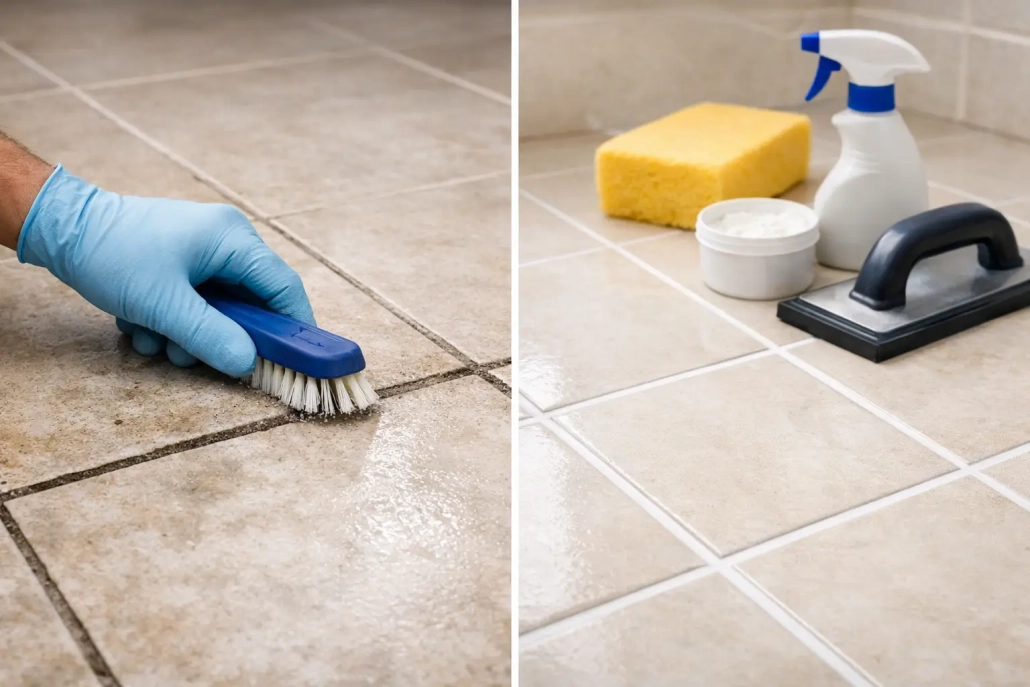
Grout Restoration That Brings Tile Back to Life
A tile floor can be scrubbed, mopped, and still look dirty because the problem is sitting between the tiles. Grout restoration addresses those dark joints, uneven color, mildew staining, and worn areas that make an otherwise solid floor look older than it is. For homes, condos, restaurants, and commercial properties across Palm Beach County, the difference can be immediate: cleaner lines, brighter tile, and a surface that looks properly maintained.
That result does not come from applying more cleaner and hoping for the best. Grout is porous, and South Florida conditions make it work harder. Humidity, sand, wet shoes, pool traffic, cooking residue, hard-water minerals, and routine foot traffic all settle into grout over time. The right restoration process depends on the tile, the grout’s condition, and whether the goal is cleaning, repair, color correction, or long-term protection.
What grout restoration actually includes
Grout restoration is more than a quick surface cleaning. It begins with identifying why the grout looks discolored. Sometimes the issue is embedded soil and residue. In bathrooms, mildew or mineral deposits may be the main concern. In kitchens, grease can leave grout looking permanently gray or yellow. Around entries, patios, and pool-adjacent areas, sand and outdoor grime can grind into the joints.
A professional process typically starts with an inspection of the tile and grout. This matters because porcelain, ceramic, natural stone, textured tile, and older installations do not all respond the same way. A cleaning method that is safe for durable porcelain may be too aggressive for certain natural stone surfaces or deteriorating grout.
After the surface is evaluated, technicians use material-appropriate solutions and controlled agitation to break up embedded contamination. Extraction removes loosened soil instead of simply spreading it across the floor. If grout has cracks, missing sections, or areas that have broken down, cleaning alone will not solve the problem. Those joints may need repair before the floor can look uniform and stay protected.
When staining remains after cleaning, grout color sealing can be an effective next step. This is not the same as applying a clear sealer. A color seal coats the grout in a consistent shade while helping reduce future absorption. It can restore a uniform appearance without the disruption and expense of replacing tile that is otherwise in good condition.
Signs your tile needs grout restoration
The most obvious sign is grout that stays dark after normal cleaning. If you have tried mopping, store-bought sprays, and repeated scrubbing without a visible change, the soil may be below the surface rather than on it.
Uneven grout color is another common issue. High-traffic paths can look darker than the rest of the room, while areas near showers, toilets, sinks, or exterior doors may show distinct staining. In many South Florida homes, tile itself holds up well while the grout becomes the weak visual point.
Pay attention to grout that feels rough, sandy, cracked, or recessed below the tile edge. Those are signs of wear, not just dirt. Water can enter compromised joints, particularly in bathrooms and other wet areas. Addressing deterioration early can help prevent a small maintenance issue from becoming a larger repair.
For property managers and HOA boards, it is also worth looking beyond individual units. Dirty grout in lobbies, corridors, restrooms, clubhouses, fitness rooms, and pool facilities affects how residents and visitors perceive the entire property. Restoring those surfaces can make a noticeable difference without taking on a full flooring renovation.
Why DIY grout cleaning often falls short
There is nothing wrong with routine grout maintenance. Regular vacuuming or sweeping, prompt spill cleanup, and a suitable neutral cleaner all help protect tile floors. The challenge starts when homeowners use harsh methods to fight stains that have been building for years.
Acidic cleaners can etch or dull certain surfaces, weaken cement-based grout, and damage nearby natural stone. Bleach may brighten a surface temporarily but does not always remove embedded residue. It can also create fumes and should never be mixed with other cleaning products. Abrasive brushes and aggressive scrubbing may wear down grout, leaving it more open to future staining.
Steam can be useful in some situations, but it is not a universal answer either. Excessive heat or moisture can be a poor fit for damaged grout, loose tile, or surfaces with existing installation issues. The right approach depends on what is on the grout and what condition the floor is already in.
Professional restoration is designed to avoid that guesswork. A trained technician can determine whether the floor needs deep cleaning, grout repair, clear sealing, color sealing, or a combination of services. That targeted approach protects the tile while focusing effort where it will produce a visible improvement.
The value of sealing after grout cleaning
Freshly cleaned grout is easier to appreciate when it stays clean longer. Because standard grout is porous, it can absorb spills, soil, moisture, and residue again if left unprotected. A quality sealer helps create a barrier, giving homeowners and cleaning staff more time to remove spills before they settle in.
Clear sealing works best when the grout has cleaned up evenly and the existing color still looks right. Color sealing is often the better option when grout is permanently discolored, blotchy, or impossible to return to a consistent shade through cleaning alone. It can also be a practical choice for a property preparing for new residents, listing a home, or refreshing a heavily used commercial space.
Sealing is not a promise that grout will never get dirty. High-traffic entries, kitchens, showers, and pool-adjacent rooms still need routine care. It does, however, make ongoing maintenance more manageable and helps preserve the restored appearance.
Grout restoration for homes, condos, and businesses
At home, restored grout can change the feel of kitchens, bathrooms, laundry rooms, living areas, and covered patios. Tile may cover a large portion of the home, especially in South Florida, so clean grout lines have an outsized effect on the room. The floor looks brighter, the tile pattern becomes clearer, and the space feels more cared for.
For condo residents and HOA communities, scheduling matters just as much as the results. Work should be planned with attention to access, building rules, resident comfort, and proper protection of nearby surfaces. A professional team can help minimize disruption while completing detailed work in individual units or shared spaces.
Commercial properties have different priorities. Restaurants, retail spaces, offices, medical facilities, and hospitality areas need floors that support a clean, professional appearance without creating lengthy closures. The best schedule may be during lower-traffic hours, and the right restoration plan should account for foot traffic, slip concerns, cleaning protocols, and the type of contamination the business deals with every day.
How to keep restored grout looking better
After restoration, the daily routine can stay simple. Sweep or vacuum grit before it gets ground into the floor, then mop with a cleaner recommended for the tile and grout. Avoid leaving standing water in bathrooms and entries, and wipe up cooking spills, pet accidents, and tracked-in dirt as soon as practical.
Skip oil-based soaps and cleaners that leave a heavy film. That residue can attract soil and make grout look dull again. If your tile has natural stone components, use products made for stone rather than assuming a standard tile cleaner is safe.
The frequency of professional maintenance depends on use. A lightly used guest bathroom may need attention far less often than a busy family kitchen, rental unit, lobby, or restaurant entry. Rather than waiting until grout is nearly black or visibly breaking down, schedule service when routine cleaning stops delivering the result you expect.
The Cleaners Drones provides tile and grout restoration with the same detail-focused approach used across its South Florida cleaning services. The goal is not to make a floor look briefly improved for a photo. It is to identify what the surface needs and deliver a clean, even result that fits the way the property is used.
If your tile still has life left but the grout is making the room look worn, restoration may be the practical middle ground between constant scrubbing and a costly replacement. A professional assessment can give you a clear answer before you spend another weekend on cleaners that cannot reach the problem.



Leave a Reply
Want to join the discussion?Feel free to contribute!