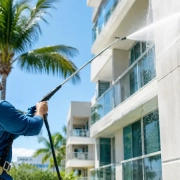
Facade Washing for South Florida Properties

A building can look neglected long before it is actually damaged. In South Florida, salt air, humidity, windblown debris, algae, and mildew settle onto exterior walls quickly. Professional facade washing removes that buildup before it becomes a bigger maintenance concern – and it restores the clean, cared-for appearance residents, tenants, customers, and visitors notice immediately.

For a homeowner, condo board, or property manager, the challenge is not simply getting a facade wet. It is choosing a method that reaches the right areas, respects the surface material, protects people below, and does not turn the property into a long work zone.

Why South Florida Facades Get Dirty So Fast

Palm Beach County properties face a combination of conditions that make exterior cleaning a regular need. Moisture feeds algae and mildew. Coastal air leaves salt residue on buildings, railings, glass, and architectural details. Afternoon storms push dirt into corners, ledges, soffits, and shaded sections of the exterior.

The result is often uneven staining. You may see green or black growth along stucco walls, darker streaks below windows and rooflines, or a dull film that makes a newer building look older than it is. On commercial properties and multifamily communities, that visible buildup can affect curb appeal, leasing impressions, resident satisfaction, and pride of ownership.

Waiting too long is rarely a cost-saving move. Organic growth and trapped contaminants can become more difficult to remove, especially on textured surfaces. Routine cleaning gives your maintenance plan a better starting point and helps prevent small exterior appearance issues from becoming major complaints.

Facade Washing Is Not Just Pressure Washing

Many people use the terms interchangeably, but facade washing requires more judgment than simply applying high pressure. The proper approach depends on the building material, its condition, the type of staining, and the height and access limitations of the property.

Stucco, painted masonry, concrete, stone, metal panels, exterior cladding, and glass-adjacent areas all respond differently. A method that works on a driveway may be too aggressive for a painted finish or textured stucco wall. High pressure in the wrong place can scar surfaces, force water behind siding or seals, strip paint, or disturb vulnerable joints.

That is why low-pressure cleaning, paired with the right cleaning solution and dwell time, is often the better choice for exterior walls. The solution does the work of loosening organic growth and surface grime. Controlled rinsing then removes the contamination without treating the facade like a piece of pavement.

There are times when targeted pressure is appropriate, particularly for durable ground-level concrete or heavily soiled hardscape. But a professional should adjust the technique to the surface rather than use one setting for every part of the property.

The Access Problem on Multi-Story Buildings

Traditional facade cleaning often creates a logistical headache. Scaffolding, boom lifts, ropes, and extended equipment staging can block parking, disrupt entrances, create noise, and require lengthy setup. For condominiums, hotels, offices, and multi-story residences, the access plan can become as significant as the cleaning itself.

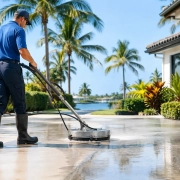
Drone-powered exterior cleaning changes that equation for many properties. A cleaning drone can reach elevated walls and difficult exterior sections using a controlled low-pressure process from the ground. This reduces the need for scaffolding or lifts in many applications, which can mean less disruption around residents, visitors, vehicles, and daily operations.

The safety benefit matters just as much. Less reliance on personnel working at height can reduce exposure to common exterior-cleaning risks. A professional team still needs to secure the work area, assess overhead conditions, protect landscaping and nearby surfaces, and plan for wind and weather. Technology improves access, but it does not replace careful site preparation.

What a Professional Facade Washing Visit Should Include

A quality exterior cleaning service begins with an inspection, not a hose. The team should identify the facade material, note areas with heavy algae or staining, look for fragile finishes, and evaluate access. This is also the time to flag existing cracks, loose paint, damaged caulking, or water intrusion concerns. Cleaning can reveal these issues more clearly, but it should not be used to hide them.

Before work begins, the crew should protect landscaping, outdoor furniture, entryways, and sensitive areas. Responsible cleaning solutions are selected for the specific surface and used with controlled application. Nearby plants should be rinsed and cared for throughout the process, especially when treating broad exterior areas.

The cleaning itself should be even and methodical. Patchy results often happen when a technician rushes sections, uses inconsistent solution coverage, or rinses before the cleaner has enough time to work. On larger buildings, systematic section-by-section cleaning helps produce a more uniform finish.

Afterward, a walk-through or visual review is worthwhile. Some stains may be permanent discoloration rather than removable surface buildup. A reputable provider will explain that distinction instead of promising a result that the material cannot realistically deliver.

When Should You Schedule Facade Washing?

There is no universal calendar because exposure varies from one property to the next. A shaded north-facing wall with dense landscaping may develop algae much faster than a sunny, open facade. Buildings near the coast may need more frequent attention because of salt exposure, while busy commercial corridors collect more airborne dirt and exhaust residue.

For many South Florida properties, an annual exterior review is a practical baseline. Properties with recurring algae, high humidity exposure, mature landscaping, or visible coastal residue may benefit from more frequent cleaning. HOA boards and property managers often find it helpful to schedule cleaning before peak leasing periods, inspections, community events, or hurricane-season preparation.

The best signal is visibility. If green growth, dark streaks, or dull residue are noticeable from the street, residents and customers have probably noticed them too. Addressing the issue early usually makes the work simpler and helps preserve a consistently maintained appearance.

Choosing the Right Provider for Exterior Cleaning

Price matters, but the lowest quote does not always reflect the safest or most appropriate method. Ask how the company plans to clean your specific facade, whether it uses low-pressure options, how it protects landscaping and adjacent surfaces, and how it will access upper floors.

For condos, HOAs, and commercial buildings, also ask about work-zone management. Will entrances, parking, or pedestrian paths be affected? How will residents or tenants be notified? Is the team equipped to work around active properties without creating unnecessary disruption?

Experience with both cleaning chemistry and exterior access is valuable. A crew needs to understand why algae returns, how different materials react, and where water should never be forced. The Cleaners Drones brings that practical cleaning experience together with drone-based access for properties where conventional high-reach equipment can be costly and disruptive.

Protect the Look of the Building You Manage

Facade washing is one of the most visible maintenance services a property can schedule. Clean exterior walls make landscaping look sharper, entrances feel more welcoming, and the entire building appear better maintained. More importantly, a surface-specific, low-pressure approach can remove the grime South Florida delivers without taking unnecessary risks with the finish or the people around the property.

If your exterior is starting to show algae, salt film, or weather staining, do not wait for the buildup to become the first thing people see. A professional assessment can help you choose the right cleaning method, timing, and access plan for your building.
Apartment Water Mitigation: What Happens First

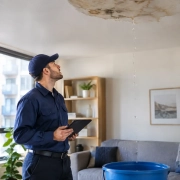
A leaking supply line on the third floor can become a first-floor ceiling collapse faster than most apartment communities expect. Effective apartment water mitigation is the work that happens immediately after water is discovered: stopping the source, protecting people and belongings, removing moisture, and documenting conditions before hidden damage spreads.

For South Florida apartment buildings, condominiums, and rental properties, speed matters as much as the repair itself. Humidity can slow drying, and water can travel through wall cavities, under flooring, and across connected units. The goal is not simply to make the area look dry. It is to return affected materials to safe moisture levels and prevent a manageable leak from becoming a larger restoration project.

The First Hours Set the Scope of Damage

Water damage is rarely limited to the spot directly under a leak. A failed ice maker line, overflowing toilet, roof intrusion, or burst supply pipe can move through cabinets, insulation, drywall, baseboards, flooring, and electrical areas. In a multifamily property, it may also affect the units below or beside the original source.

The first response should focus on safety and control. If water is near electrical outlets, appliances, or a breaker panel, keep residents out of the area and have a qualified professional assess the risk. If the source is accessible and safe to reach, shut off the local fixture valve or the building water supply. Property managers should also alert residents in potentially affected units before water reaches their belongings or ceilings.

A prompt response typically includes four connected actions:

  • Stop or contain the water source.
  • Extract standing water from floors, carpets, and other affected materials.
  • Measure moisture in walls, floors, cabinets, and surrounding areas.
  • Set drying equipment and monitor conditions until materials reach appropriate levels.

Skipping the measurement and monitoring steps is where many water events become more expensive. A floor can feel dry while moisture remains behind baseboards or inside drywall. That trapped moisture can lead to odors, material deterioration, staining, and microbial growth.

Apartment Water Mitigation Is Different From a Single-Family Cleanup

An apartment water loss has more moving parts than a leak in a detached home. There may be residents, owners, tenants, maintenance teams, association rules, insurance carriers, and neighboring units involved. Clear communication helps protect everyone while drying and repairs move forward.

The water source also affects the mitigation plan. Clean water from a broken supply line is handled differently from water involving a toilet backup, drain overflow, or outside flooding. Category of water, length of exposure, affected materials, and the presence of contamination all determine what can be dried and saved versus what should be removed.

For example, a clean-water leak caught quickly may allow carpet, padding, cabinets, and drywall to be dried in place. If water has sat for an extended period or comes from a contaminated source, porous materials may no longer be appropriate to restore. Trying to save every material can appear less disruptive at first, but it can create a larger health and repair issue later.

In occupied properties, mitigation also needs to respect daily life. Residents need clear access instructions, realistic drying timelines, and advance notice about equipment noise. Property managers need documentation that shows which units were inspected, what materials were affected, and how drying progress was verified.

What Professional Drying Should Look Like

A professional mitigation crew begins with an inspection, not assumptions. Moisture meters, thermal imaging, and humidity readings help identify the actual footprint of water. This is particularly useful in apartments with shared plumbing walls, floating floors, layered flooring, and ceilings below bathrooms or kitchens.

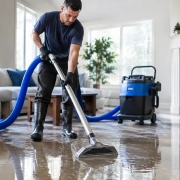
Standing water is removed first using extraction equipment. Then technicians determine whether materials can dry in place. Baseboards may need to be carefully removed to inspect wall cavities. Flooring may require specialized drying methods, depending on whether it is tile, vinyl, laminate, wood, carpet, or another material.

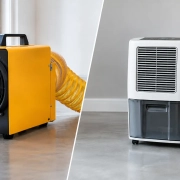
Air movers and dehumidifiers are positioned to create controlled drying conditions. Simply opening windows is not always the answer in Palm Beach County. Outdoor humidity can introduce more moisture into the space, which slows drying and makes humidity control harder. Proper equipment placement and daily monitoring make the process more efficient and help prevent unnecessary demolition.

Drying is complete when readings confirm that affected materials have returned to an acceptable moisture range, not when the equipment has been running for a set number of days. Most straightforward losses can be stabilized quickly, but the full timeline depends on how much water entered the structure, the materials involved, and how soon the source was stopped.

Protecting Residents, Belongings, and Building Operations

A good response plan balances urgency with order. Residents should move personal items away from wet areas when it is safe to do so. Management should photograph visible damage, record the time the leak was found, and keep notes on every affected unit. These details can support insurance reporting and help prevent confusion during repairs.

For property managers and HOA boards, one central point of contact is especially useful. Residents may report different symptoms at different times: a bubbling wall, damp carpet, a ceiling stain, or a musty odor. Coordinating inspection early helps identify whether these reports stem from one loss event or separate maintenance problems.

It also helps to separate mitigation from reconstruction. Mitigation stops the damage from getting worse by removing water and drying the structure. Reconstruction restores finishes afterward, such as drywall, paint, flooring, cabinets, or trim. The phases may overlap in planning, but drying should be verified before cosmetic repairs begin. Painting over a water stain or reinstalling baseboards before the wall is dry can conceal a problem rather than solve it.

Common Mistakes That Increase Apartment Water Damage

The most costly mistake is waiting to see whether an area dries on its own. A small ceiling stain may be the first visible sign of a larger amount of moisture above it. Another common issue is using household fans without controlling humidity or checking hidden materials. Fans can help move air, but they do not confirm that the assembly is dry.

Property teams should also avoid moving equipment or removing materials without documenting the initial condition. Photos, moisture readings, and a clear work record help establish the scope of loss for owners and insurers. They also help residents understand why a seemingly minor leak may require access to baseboards, flooring, or portions of drywall.

Finally, do not overlook exterior causes. Wind-driven rain, roof issues, window failures, and water intrusion around balconies can show up inside an apartment as a ceiling or wall problem. In multi-story buildings, exterior maintenance and safe access are part of long-term water prevention. The Cleaners Drones works with South Florida properties on cleaning and restoration needs, including hard-to-reach exterior areas where conventional access can add disruption.

When to Call for Apartment Water Mitigation

Call for professional help immediately when water is actively spreading, has reached more than one room or unit, involves a ceiling, affects flooring or drywall, or comes from a drain, toilet, or unknown source. The same applies if there is a musty odor after a leak, visible swelling in materials, or a resident reports recurring moisture in the same area.

Even a contained leak deserves a careful assessment when it occurs in a shared building. What is visible in one apartment may only be part of the picture. Fast extraction, measured drying, and clear documentation give property owners and residents the best chance to protect the building, reduce downtime, and move confidently into repairs.

When water enters an apartment, the most reassuring outcome is not a quick visual cleanup. It is knowing the source was stopped, the hidden moisture was addressed, and the space was properly verified before normal life resumes.

A Hurricane Water Cleanup Example for Homeowners

When hurricane water reaches the baseboards, the cleanup clock starts before the rain has fully stopped. This hurricane water cleanup example follows a South Florida homeowner through the first 72 hours after wind-driven rain enters through a damaged window and soaks a living room, hallway, and adjacent bedroom. The goal is not simply to make the floor look dry. It is to remove moisture from the structure, protect your household, and prevent a small intrusion from becoming a mold or flooring replacement project.

Every storm loss is different. Water from a clean supply line is handled differently from water that traveled through roof debris, exterior walls, landscaping, or floodwater. When there is any chance that water is contaminated, professional restoration is the safer choice.

A Hurricane Water Cleanup Example: The First 24 Hours

At 7:00 a.m., the homeowner returns after the storm passes and finds standing water across laminate flooring. A window was cracked by debris overnight. The carpet in the bedroom feels wet near the doorway, and the drywall in the hallway has darkened several inches above the floor.

The first decision is safety. Before entering a wet area, confirm that electricity is off if water is near outlets, power strips, appliances, or extension cords. Do not walk through water where electrical hazards may be present. Wear closed-toe shoes, gloves, and, when handling visibly dirty water or wet debris, appropriate respiratory protection.

Document Before Removing Anything

Once the area is safe to enter, take wide and close photos of each room. Photograph damaged windows, wet flooring, walls, furniture, rugs, and personal property. Include water lines on drywall and exterior areas where water appears to have entered. A short video can also show the extent of the loss better than individual photos.

This documentation helps with insurance conversations, but it also gives the restoration team a reliable starting point. Do not wait for an adjuster before beginning reasonable emergency measures. Leaving water in place to preserve evidence can increase the damage significantly. Save receipts for emergency supplies, temporary repairs, and restoration work.

Stop the Source and Remove Standing Water

In this example, the broken window is covered with a secure temporary barrier after conditions allow. If the water is coming from a roof leak, plumbing issue, or open door, address the source first. Cleaning cannot keep up with active intrusion.

Standing water should be extracted with professional-grade equipment whenever possible. Towels, mops, and a household wet vacuum can help with a small, clean-water spill, but they are rarely enough after a hurricane. They leave moisture in carpet backing, pad, seams, wall edges, and subflooring. These hidden wet areas are where odor, swelling, and mold growth often begin.

Move undamaged, dry belongings away from the affected area. Raise furniture legs with blocks or place aluminum foil beneath them as a short-term measure if the item can be saved. Do not drag heavy furniture across wet flooring, and do not stack wet belongings in a garage or spare room. They need airflow, separation, and a decision about cleaning or disposal.

What a Professional Moisture Inspection Finds

By the afternoon, the visible water in this home is gone. That is progress, not the finish line. A restoration technician uses moisture meters and thermal imaging to identify damp carpet pad, wet drywall at the base of the hallway wall, and elevated moisture beneath the laminate floor.

A proper inspection helps avoid two expensive mistakes: removing materials that can be dried or keeping materials that will trap moisture and fail later. The right answer depends on the material, how long it was wet, and the water source.

Carpet exposed to clean water for a short period may sometimes be extracted, lifted, dried, and cleaned. If the water came from outdoors, sewage backup, or floodwater, carpet and pad often require removal because contamination can remain even after surface cleaning. Area rugs, especially wool, silk, or antique rugs, need material-specific handling rather than aggressive drying or pressure washing.

Laminate flooring is less forgiving. Water can enter through seams, swell the core, and cause edges to lift. Solid wood flooring may be dried and monitored in some cases, while engineered wood can delaminate depending on the product and exposure. Tile may look unaffected, but water can still reach grout lines, wall cavities, or the subfloor below.

Drywall needs the same practical assessment. A narrow clean-water intrusion may be dried with controlled airflow and dehumidification. Saturated drywall, insulation, or material exposed to potentially contaminated water may need selective removal. Cutting out damaged materials is not a failure of the cleanup. It can be the cleanest route to drying the structure correctly.

Days Two and Three: Drying Is the Real Cleanup

On day two, the homeowner may feel tempted to open every window and point household fans at the floor. South Florida humidity changes that calculation. Outdoor air can carry substantial moisture, particularly after a storm, and open windows may slow drying rather than help it.

Professional drying uses air movers, commercial dehumidifiers, and regular moisture readings to create controlled conditions. Air movers evaporate moisture from surfaces. Dehumidifiers remove that moisture from the air. The equipment must be positioned strategically, not simply scattered around the room, and readings should be checked daily to confirm that materials are actually drying.

In this hurricane water cleanup example, the affected bedroom carpet is removed because storm water entered from outside. The hallway baseboards and a small section of drywall are removed to expose wet insulation and allow the wall cavity to dry. The living room laminate is found to be swollen at several seams, so the homeowner can make an informed decision about replacement rather than reinstalling damaged material that may buckle later.

This is also when odor control matters. A perfume-like deodorizer may mask a smell for a day, but it does not remove moisture or contamination. The source has to be cleaned, dried, and, when necessary, removed. Fogging or antimicrobial treatments may be part of a professional plan, but they are not substitutes for extraction and structural drying.

When DIY Cleanup Is Not Enough

A homeowner can often handle a minor, clean-water leak caught immediately. Hurricane losses deserve more caution because the water source is frequently uncertain. Call a qualified water damage restoration team promptly when water has touched electrical areas, entered walls or flooring, covered a large area, sat longer than a few hours, or came from outdoors, a roof opening, a drain backup, or flood conditions.

Professional help is also worth considering when the property is a condominium, commercial suite, or multi-unit building. Water can travel between floors and behind shared walls, creating damage that is not visible from the original unit. Fast documentation and clear communication with management can protect residents, tenants, and the building itself.

For high-rise and multi-story properties, exterior inspection is part of understanding how water entered. Damaged façade areas, clogged drainage paths, and debris around upper-level windows may be difficult or unsafe to access from the ground. Drone-powered exterior cleaning and inspection support can reduce the need for scaffolding or lifts in appropriate situations, while keeping the work zone less disruptive. It does not replace a licensed engineer or roofing professional when structural storm damage is suspected.

Avoid These Common Post-Storm Mistakes

The biggest mistake is waiting for materials to dry on their own. In Palm Beach County, warm temperatures and heavy humidity can keep building materials damp long enough for mold to develop. Another common error is running HVAC before the system and affected ducts have been evaluated. If the system has been exposed to water or pulls humid air across wet materials, it can spread odors and moisture concerns.

Do not use bleach as a catch-all answer for porous materials. It may discolor surfaces and does not reliably solve moisture inside drywall, carpet padding, wood, or insulation. Avoid placing wet contents in sealed plastic bags unless they are headed directly to a controlled cleaning process. Trapped moisture can accelerate staining and odor.

Finally, do not assume a room is dry because it feels comfortable. Drying decisions should be based on moisture readings and the condition of the materials, not just appearance.

Prepare Before the Next Storm

Once the property is dry and repairs are complete, take a few practical steps before hurricane season returns. Keep digital photos of each room and major belongings, know where your electrical panel and water shutoff are located, and store emergency contact information where you can access it without power. Inspect windows, door seals, roof penetrations, drainage areas, and exterior surfaces before storm season rather than after water appears indoors.

If hurricane water reaches your home or building, fast action protects more than finishes. It protects the parts of the property you cannot see, the people who use the space, and the time it takes to return to normal. The Cleaners Drones can help South Florida property owners assess water damage, begin controlled drying, and move forward with a clear plan when every hour matters.

How to Read a Water Mitigation Review Before Hiring

A burst supply line at 2 a.m. does not leave much time for research. Still, a careful water mitigation review can tell you far more than a star rating when you need a company in your home, condominium, or commercial property quickly. The best reviews describe what happened after the water arrived: how fast the crew responded, what they protected, how they dried the structure, and whether the customer understood the process.

For South Florida property owners, that detail matters. Humidity can keep materials wet longer, and water behind baseboards, under flooring, or inside wall cavities may create a much larger problem than the visible puddle. A mitigation company is not simply there to extract water. Its job is to stop further damage, dry affected materials correctly, document conditions, and help return the property to a safe, usable state.

What a Water Mitigation Review Should Tell You

A five-star rating is encouraging, but it is not enough on its own. Read the written comments for evidence that the company handled a real loss with urgency and care. One short review saying “great service” may be genuine, but a useful review explains the work: water extraction, moisture checks, equipment placement, removal of damaged materials, protection of contents, or coordination with an insurance claim.

Start with the timeline. When a review says a team answered after hours, arrived when promised, and began extraction immediately, it speaks to one of the most important parts of mitigation. Water continues moving through porous materials. Carpet padding, drywall, wood trim, cabinets, insulation, and subfloors can hold moisture long after the surface looks dry.

Then look for communication. A stressful water loss is easier to manage when the crew explains what they found, what needs to happen next, and what the homeowner or property manager should expect. Strong reviews often mention technicians who answered questions without making unrealistic promises. That is a good sign. Drying time depends on the water source, the materials affected, airflow, humidity, and how long the water was present.

Details That Separate Real Results From Generic Praise

The most credible reviews tend to include specific observations. They do not need to use industry terminology, but they should show that the company had a process rather than simply placing a few fans in the room.

Look for these four types of proof:

  • Rapid response and water control: Customers mention prompt arrival, shutoff guidance, extraction, or efforts to prevent water from spreading into nearby rooms.
  • Professional drying work: Reviews reference dehumidifiers, air movers, moisture readings, daily checks, or clear confirmation that materials reached an acceptable dry standard.
  • Respect for the property: Pay attention to comments about protecting floors and furniture, moving belongings carefully, containing dust, and leaving work areas orderly.
  • Clear, dependable service: Good reviews often mention punctual technicians, regular updates, photographs or documentation, and straightforward explanations of costs and next steps.

Specificity is especially valuable in condo and commercial reviews. Water from an upper-floor unit can affect several residences, hallways, elevators, electrical areas, or tenant spaces. A capable mitigation crew needs to work efficiently while communicating with residents, building management, and other decision-makers. Reviews that mention organized coordination can be as meaningful as comments about the drying equipment.

Read Reviews With the Type of Water Damage in Mind

Not every water event calls for the same response. A clean-water leak from a supply line may be manageable if it is discovered immediately. Water from a failed appliance that sat overnight can soak materials more deeply. A sewer backup, toilet overflow involving waste, or floodwater may require specialized cleaning, removal of contaminated porous materials, and more controlled handling.

When reading a water mitigation review, notice whether the reviewer describes a situation similar to yours. If your kitchen cabinet leaked into wood flooring, reviews involving flooring protection, cabinet drying, and moisture monitoring are more relevant than a review about a minor bathroom spill. If your property has storm-related intrusion, look for evidence that the company assessed walls, insulation, and hidden moisture rather than treating only the visible area.

That said, do not reject a qualified company just because its public reviews do not match your exact scenario. Many water losses are private, and customers may not share details online. The goal is to see a consistent pattern of fast response, careful work, and professional communication across different types of damage.

Red Flags Worth Taking Seriously

A negative review does not automatically mean a company is a poor choice. Emergencies are complicated, insurance approvals can be slow, and a customer may be frustrated by circumstances outside the mitigation crew’s control. What matters is the pattern and the company’s response.

Be cautious when multiple reviews describe unexplained delays, poor communication, missed appointments, surprise charges, or equipment left in place without follow-up. Also pay attention if customers say they were told a room was dry without any mention of moisture inspection or monitoring. Surface dryness is not the same as structural dryness.

Reviews that complain about unnecessary demolition deserve context. Sometimes drywall, flooring, or cabinetry must be removed because moisture or contamination has compromised the material. A reliable company should explain why removal is recommended and document the affected areas. The concern is not that demolition occurred. The concern is whether it was justified, communicated clearly, and performed with appropriate containment and care.

It is also reasonable to be skeptical of reviews that sound nearly identical, offer no useful detail, or appear in a sudden cluster with no other history. Use reviews as one source of information, not the entire hiring decision.

Questions to Ask After Reading Reviews

Once a company’s reviews give you confidence, a brief call should confirm whether its process fits your property. Ask whether emergency response is available, how quickly a crew can arrive, and whether they perform moisture assessments before and during drying. You can also ask how they protect contents and unaffected rooms, how often they monitor equipment, and how they communicate with insurance carriers or property managers.

For condominiums, HOAs, and commercial facilities, ask how the team handles access, resident notices, common areas, and work around business operations. A water event is disruptive enough without creating unnecessary traffic, noise, or confusion. The right provider will be practical about the building’s needs while keeping the drying work moving.

If you are comparing estimates, do not choose solely by the lowest number or the fastest verbal assurance. Ask what is included, what conditions could change the scope, and how the company documents its work. Clear answers before work begins can prevent confusion later.

Why Documentation Matters After the Water Is Gone

The quiet period after extraction is where quality mitigation often becomes visible. Drying equipment may need to run for several days, and technicians should verify progress rather than guessing. Moisture documentation helps show that affected materials were evaluated and that the drying plan was adjusted when needed.

This record can be helpful for insurance claims, property records, and future repairs. It also gives homeowners and managers confidence that the job addressed more than what was easy to see. A clean-looking room can still have trapped moisture behind a baseboard or under a floating floor.

At The Cleaners Drones, the focus is on responsive, detailed restoration work that respects both the property and the people dealing with the emergency. Whether the affected space is a Palm Beach County home, condo, or business, the goal should be the same: limit damage early and give the owner clear information at every stage.

A strong review can point you toward the right call, but the best protection starts before the crew arrives. Shut off the water if it is safe to do so, move valuables away from the affected area, avoid electrical hazards, and contact a qualified mitigation professional before hidden moisture has more time to spread.

Concrete Cleaning for South Florida Properties

A driveway can look fine after a quick rinse, then dry with dark tire marks, algae shadows, and blotchy stains still in place. That is the difference between spraying concrete and professional concrete cleaning. In Palm Beach County, heat, humidity, irrigation overspray, salt air, and frequent rain give grime plenty of opportunities to settle into porous surfaces.

For homeowners, a clean driveway and walkway improve curb appeal right away. For HOA boards, condo managers, and commercial property operators, cleaner concrete supports a better first impression while helping common areas look maintained and safer to use. The right method depends on what is on the surface, how old the concrete is, and where it sits on the property.

Why South Florida Concrete Gets Dirty So Fast

Concrete is durable, but it is not smooth at a microscopic level. Its pores hold moisture, soil, oils, organic growth, and mineral deposits. In South Florida, that creates a familiar pattern: green or black buildup in shaded spots, orange staining near sprinklers, and dark traffic lanes where vehicles regularly pass.

Algae and mildew are especially common on sidewalks, pool decks, patios, and entryways. They affect more than appearance. When moisture returns, organic growth can make walking surfaces slick. On a busy condominium property or storefront, that is a maintenance issue worth addressing before complaints or slip hazards build up.

Driveways also collect automotive fluids, tire residue, leaf tannins, fertilizer stains, and dirt tracked in from the street. A surface may need different treatment in different areas. Applying one aggressive method across every stain can leave behind uneven results or damage nearby landscaping, paint, sealers, and delicate finishes.

Concrete Cleaning Starts With the Stain

The best cleaning process begins with identifying the problem, not simply reaching for the highest pressure setting. Pressure can remove surface soil effectively, but high pressure alone does not always break down oils, kill organic growth, or remove mineral-based stains.

Organic growth and black mildew

Green algae, black mildew, and surface biofilm respond best to a properly diluted cleaning solution followed by controlled rinsing. The goal is to treat the growth at the source so it does not reappear immediately after the surface dries. Shaded walkways, north-facing areas, and spots near dense landscaping often need the most attention.

Oil, tire marks, and vehicle stains

Oil requires a degreasing approach. Fresh spills are generally easier to improve than stains that have been sitting through months of heat and rain. Deep oil can penetrate below the visible surface, so even a professional cleaning may lighten rather than completely erase an older stain. Honest expectations matter here, especially on unsealed concrete.

Tire marks can also be stubborn. They are often a combination of rubber transfer, heat, and embedded grime. With the correct detergent, dwell time, and equipment, most marks can be significantly reduced without leaving the driveway striped or etched.

Rust, irrigation, and mineral deposits

Orange stains near sprinkler heads are usually caused by iron in the water, not ordinary dirt. Rust removers and mineral treatments must be selected carefully because the wrong chemistry can discolor concrete, harm adjacent stone, or affect plants. This is one reason a generic pressure-washing approach is not always the right answer.

White powdery residue, known as efflorescence, is another issue that needs a specific response. It occurs when moisture moves through masonry materials and leaves salts behind as it evaporates. Cleaning can improve the appearance, but recurring efflorescence may point to an underlying moisture condition that should be addressed.

When Pressure Washing Is the Right Choice

Pressure washing is highly effective for durable, exterior concrete with embedded dirt, algae, and general weathering. Driveways, sidewalks, curbs, patios, parking areas, dumpster pads, and many pool-deck surfaces can benefit from professional equipment that delivers consistent coverage.

Consistency is key. A trained technician uses the right pressure, nozzle, water flow, and surface-cleaning equipment to avoid the familiar zebra-striping effect. Those streaks happen when a wand is held too close, moved unevenly, or used without a methodical cleaning pattern.

Still, more pressure is not automatically better. Very high pressure can etch concrete, expose aggregate, damage aging surfaces, and leave visible lines that cannot be cleaned away. It can also force water into cracks or undermine loose material along joints. Older concrete, decorative finishes, stamped concrete, pavers, painted surfaces, and sealed areas all deserve a more careful evaluation.

Low-Pressure Cleaning Has a Place, Too

Not every concrete-adjacent surface should be pressure washed. Building façades, painted stucco, exterior walls, soffits, balconies, and elevated common areas may require a low-pressure cleaning method paired with appropriate solutions. This protects the surface while removing organic buildup and weather-related discoloration.

For multi-story properties, access can be the largest challenge. Lifts, scaffolding, and rope work can create work zones, block parking, and disrupt residents or tenants. The Cleaners Drones uses drone-powered, low-pressure exterior cleaning for hard-to-reach building surfaces, helping property managers address elevated areas with less equipment on the ground and less interruption to daily operations.

That does not mean a drone replaces every ground-level cleaning method. Driveways and sidewalks still benefit from the hands-on control of professional surface-cleaning equipment. The advantage is having a practical option for exterior areas that are difficult, costly, or risky to reach by traditional means.

What Property Owners Can Do Before Service

A little preparation helps the cleaning process move faster and protects the items around the work area. Move vehicles, furniture, planters, and portable decorations away from the concrete when possible. Keep doors and windows closed, and let the cleaning team know about areas with poor drainage, loose concrete, fragile paint, electrical outlets, or known leaks.

For commercial sites and HOAs, scheduling matters as much as technique. Entryways, garage approaches, pool paths, and high-traffic sidewalks may be best cleaned during lower-traffic hours. Clear communication about wet areas, temporary access changes, and drying time helps keep residents, customers, and staff comfortable.

Landscape protection should also be part of the plan. Responsible cleaning includes pre-wetting sensitive vegetation when needed, using solutions appropriately, controlling runoff, and rinsing surrounding areas. Eco-friendly methods are not about cutting corners on results. They are about choosing a process that cleans effectively while respecting the property around it.

How Often Should Concrete Be Cleaned?

There is no single schedule that fits every property. Many South Florida homeowners benefit from annual concrete cleaning, while heavily shaded areas, pool decks, busy driveways, and commercial walkways may need attention more often. If algae returns quickly, it is worth looking at the conditions feeding it: irrigation patterns, shade, drainage, nearby vegetation, and surface sealing.

A maintenance schedule can be more cost-effective than waiting until stains become severe. Regular service keeps buildup from becoming deeply embedded and helps a property maintain a clean, cared-for appearance throughout the year. For HOAs and commercial properties, planned cleaning can also reduce the need for rushed service before inspections, events, or resident turnover.

Clean Concrete Should Look Even, Not Overworked

A good result is not just brighter concrete. It is an evenly cleaned surface without etched patches, pressure stripes, chemical residue, or damage around the edges. Some permanent discoloration, old repairs, cracks, and deeply set stains may remain visible, but a professional should explain that before work begins rather than overpromise a brand-new look.

If your driveway, patio, sidewalks, or common areas are showing the effects of another South Florida season, the right cleaning approach can make the property look cared for again. A quick evaluation of the surface, stains, access, and surrounding materials is the first step toward results you can see and service you can trust.

Retail Flood Recovery Example That Gets a Store Open

At 7:15 a.m., a Palm Beach County boutique owner opened the door to find an inch of water across the showroom floor. A failed supply line behind the restroom wall had run overnight, soaking display rugs, lower shelving, fitting-room carpet, and several boxes of inventory. This retail flood recovery example shows what separates a manageable interruption from a closure that keeps growing more expensive by the hour.

The owner’s first goal was not a perfect-looking store. It was to protect people, prevent additional damage, document the loss, and make sound decisions about what could be dried, cleaned, or removed. That sequence matters after any water event, whether the cause is a plumbing leak, roof intrusion, an overflowing toilet, or storm-driven rain.

The first two hours set the recovery pace

The store manager shut off the water supply, kept employees and customers out of the affected area, and called for professional water damage service. They also photographed the source, standing water, wet inventory, and affected fixtures before moving anything. Those photos can help with insurance reporting and give the restoration team a clearer picture of how the loss developed.

A restoration crew first identified the water category and checked for safety concerns. Clean water from a broken supply line is handled differently than water from a drain backup or exterior flooding. If the water contains contaminants, affected porous materials and merchandise may require removal rather than cleaning. Trying to save everything can create a health concern and delay reopening.

In this case, the supply-line leak was clean water, but it had traveled farther than it first appeared. Moisture readings found water beneath floating vinyl plank flooring near the restroom and inside two walls. Surface drying alone would not have been enough. Hidden moisture is where odors, warped materials, and mold growth often begin.

A retail flood recovery example, step by step

The crew began extraction immediately using commercial equipment. Removing liquid water quickly reduces the drying burden and helps protect flooring, baseboards, and nearby merchandise. The team moved undamaged displays to a dry area and elevated items that could be safely retained.

The next decisions were material-specific. The wet carpet in the fitting rooms was lifted so the pad could be assessed. Because the pad had absorbed a significant amount of water, it was removed. The carpet itself was cleaned, treated, and dried after testing showed it could be salvaged. That avoided replacing the entire fitting-room carpet while still addressing the material most likely to hold moisture.

The vinyl plank floor in the showroom presented a different challenge. A few planks near the wall had trapped water underneath and had begun to separate. Rather than drying the visible surface and hoping for the best, the crew removed the affected section, dried the subfloor, and documented the damaged planks for replacement. The rest of the floor was dry and stable, so it stayed in place.

Wet drywall was cut out only where moisture testing showed the material could not dry properly. This is a key trade-off in commercial restoration: removing too much adds unnecessary cost and reconstruction time, while removing too little can leave moisture behind. Careful readings, rather than guesswork, make the difference.

Drying is measured, not assumed

Air movers and dehumidifiers were placed to create controlled airflow across the affected materials. The store did not reopen simply because the floor looked dry by the afternoon. The crew returned for daily monitoring, recording moisture levels in flooring, walls, and structural materials until they met dry standards.

That documentation gave the owner a clearer record for the insurance claim and confidence that the recovery was complete. Drying time varies based on the amount of water, material types, humidity, and how long the water sat. In South Florida, high outdoor humidity can make professional dehumidification especially important.

Cleaning the customer-facing space

Once the affected areas were dry, the restoration plan moved from emergency work to visible recovery. The carpeted fitting rooms received a detailed cleaning, hard surfaces were cleaned and disinfected as appropriate, and fixtures were wiped down before merchandise was returned.

The owner also chose to clean the rest of the showroom flooring and refresh the entry area. That was not required by the water loss, but it made practical sense. After a flood event, customers notice the full condition of a retail space. A clean, odor-free, organized store helps employees return with confidence and reassures shoppers that the business is ready.

How the store stayed operational

The boutique had one major advantage: the water loss was contained to the rear half of the space. The owner shifted checkouts and a small selection of merchandise to the dry front area. With clear signage and a temporary fitting-room plan, the store was able to reopen for limited hours the next day while drying equipment continued behind a separated work zone.

That approach will not work for every business. A restaurant, medical office, grocery store, or retail location with widespread contaminated water may need to close until cleaning and clearance are complete. But when the affected area can be safely separated, partial operations may reduce lost revenue and maintain customer relationships.

Communication helped as much as equipment. The manager told employees what areas were off limits, updated customers through the store’s usual channels, and gave the landlord and insurer concise updates backed by photos and moisture records. No one had to wonder whether the store was ignoring the problem or when the next decision would be made.

What this recovery avoided

Fast response prevented several common problems. The store avoided leaving wet carpet padding in place, which could have produced odors and deterioration. It avoided reinstalling displays before materials were dry. It also avoided the costly mistake of assuming a clean-water leak stayed clean after sitting overnight around dust, retail debris, and building materials.

The owner did not wait for visible mold before acting. Mold does not need a dramatic flood to become a concern. Moisture that remains inside walls, under flooring, or in carpet backing can create the conditions for growth in as little as a couple of days. Professional moisture inspection is less disruptive than discovering a hidden issue weeks later.

The business reopened fully after damaged flooring was replaced and the final drying documentation was complete. The result was not just a dry store. It was a store that looked cared for, smelled clean, and had a defensible record of the work performed.

What retailers should do before the next leak

Every retail operator should know where the main water shutoff is located and who has authority to use it. Keep the property manager, plumber, insurer, and restoration provider in an accessible contact list. It also helps to photograph your sales floor, inventory areas, walls, and fixtures periodically. A current visual record makes it easier to show what changed after a loss.

Pay attention to smaller warning signs: recurring restroom leaks, bubbling paint, loose baseboards, musty odors, stained ceiling tiles, or flooring that feels soft near plumbing walls. These issues do not always mean a major failure is coming, but they deserve inspection before they become an overnight emergency.

For stores, condos, and commercial properties across Palm Beach County, The Cleaners Drones can help address water damage with a practical plan built around drying, detailed cleaning, and getting the property back to a presentable condition.

A flooded store does not need a rushed, uncertain recovery. The right response is calm, documented, and based on what the materials actually need. When water shows up where customers should be shopping, every informed decision helps protect the space, the people in it, and the business waiting on the other side of the cleanup.

Drone Exterior Cleaning for South Florida Buildings

A stained building exterior can make a well-managed property look neglected fast. In South Florida, humidity, salt air, rain, mildew, algae, and airborne debris can build up on facades, balconies, roofs, and hard-to-reach upper stories. Drone exterior cleaning gives property owners and managers a practical way to address that buildup without turning the property into a construction zone.

For condominiums, HOAs, commercial properties, and multi-story homes, the biggest challenge is often not knowing that cleaning is needed. It is getting to the affected areas safely, affordably, and with minimal disruption. Traditional access methods can require scaffolding, boom lifts, lane closures, lengthy setup, and crews working at height for days. A professional cleaning drone changes the access equation while keeping the focus where it belongs: a cleaner property and a process residents, tenants, and visitors can live with.

Why Exterior Buildup Gets Worse in South Florida

Exterior dirt is not always just dirt. On shaded walls, soffits, roofs, and areas near landscaping, organic growth can take hold quickly. Algae and mildew thrive where moisture lingers. Coastal properties may also collect salt residue that dulls exterior finishes and glass. Pollen, dust, insect debris, and runoff can leave uneven stains that become more noticeable as they spread.

Waiting too long can make a simple maintenance service more difficult. Staining may become embedded in porous surfaces, and neglected buildup can affect the appearance of paint, stucco, concrete, pavers, and exterior trim. Regular cleaning protects curb appeal, but it also helps boards and property managers stay ahead of complaints, inspection concerns, and costly-looking deterioration.

The right approach depends on the surface. A durable concrete wall does not receive the same treatment as painted stucco, delicate exterior finishes, window systems, solar panels, or a roof. Cleaning pressure, solution selection, dwell time, rinse method, and access plan all need to match the property.

What Drone Exterior Cleaning Does Differently

Drone exterior cleaning uses specialized aerial equipment to apply cleaning solutions and rinse exterior areas that are difficult to reach from the ground. Rather than relying on scaffolding or lifts for every upper-level surface, a trained operator can position the cleaning system precisely where it is needed.

The advantage is not simply that a drone can fly. The value comes from combining aerial access with a controlled, low-pressure cleaning method. For many properties, that means less equipment staged around entrances and parking areas, fewer blocked walkways, and less of the visual disruption associated with large access rigs.

This is especially useful for building facades, upper-story walls, exterior glass areas, balconies, roofs, and architectural features that are expensive or inconvenient to reach. It can also help property teams plan work around resident schedules and business operations instead of accepting an extended period of disruption.

A drone is not a substitute for professional judgment. Before work begins, the cleaning team should assess the material, extent of staining, access conditions, nearby landscaping, pedestrian areas, wind conditions, and drainage. The drone is the access tool. The cleaning plan is what protects the property and produces a visible result.

Safer Access Without the Usual Jobsite Footprint

Working at height has always been one of the most demanding parts of exterior cleaning. Lifts and scaffolding can be effective, but they bring added setup, operating space, traffic concerns, and exposure for crews working on elevated platforms. On occupied properties, those challenges can affect residents, guests, employees, deliveries, and daily operations.

With drone-based access, the cleaning crew can reduce the need for heavy equipment around the building. That does not mean the job happens without safety controls. A responsible team still establishes a work zone, monitors weather, protects people below, manages hoses and equipment, and follows a site-specific plan. The difference is that the operation can often be more contained and less intrusive.

For HOA boards and commercial property managers, this matters because exterior maintenance is never just about the wall being cleaned. It is also about parking availability, resident communication, tenant access, noise, liability, and the overall appearance of the property while work is underway.

Low Pressure Is Often the Better Cleaning Choice

More pressure is not always better. In fact, excessive pressure can damage vulnerable surfaces, force water behind exterior materials, strip paint, disturb caulking, or leave visible marks on softer finishes. The goal is to remove contamination without creating a new repair issue.

Low-pressure exterior cleaning generally relies on the right solution and enough contact time to loosen algae, mildew, and grime before a controlled rinse. This approach is often referred to as soft washing, although the exact method should be tailored to the surface and condition of the property.

For example, a heavily stained stucco facade may need a different treatment from a concrete parking structure or metal-clad commercial building. A quality provider does not use one setting and one chemical mix for every job. They identify the material, test where appropriate, protect adjacent areas, and adjust the process to get the surface clean responsibly.

Eco-friendly practices matter here as well. Professional exterior cleaning should account for landscaping, storm drains, pools, pets, and occupied outdoor spaces. Products and application methods should be selected with the site in mind, not simply with speed in mind.

Where Drone Cleaning Makes the Most Sense

Drone cleaning is a strong fit when exterior surfaces are elevated, difficult to access, or costly to reach with conventional equipment. It is particularly valuable for properties with multiple stories, tight access areas, landscaped perimeters, limited staging space, or active daily traffic.

Condominium communities can use drone service to refresh visible facade staining, upper balconies, and hard-to-reach exterior sections without placing large equipment throughout the grounds. Commercial operators can reduce interruptions near storefronts, entrances, loading areas, and customer parking. Owners of multi-story homes can address rooflines, tall walls, and upper-level finishes that are unsafe or impractical to clean from a ladder.

Still, drone cleaning is not the best choice for every square foot of a property. Ground-level sidewalks, driveways, patios, pavers, pool decks, and lower walls may be better handled with traditional professional pressure washing or soft washing equipment. Interior services such as carpet, upholstery, tile, and grout cleaning require an entirely different approach. The best maintenance plan uses the right tool for each area instead of forcing one method onto the whole property.

What to Expect From a Professional Service Visit

A good exterior cleaning project begins before the drone takes off. The provider should review the building layout, identify the surfaces to be cleaned, note access restrictions, and discuss timing with the decision-maker. For larger communities, that may include coordinating resident notices, parking adjustments, or a work schedule that limits interference with peak activity.

On service day, the team prepares the work area and protects nearby features as needed. Cleaning solutions are applied according to the surface condition, then rinsed with controlled pressure. Operators should continually watch for changing wind, surrounding activity, and areas that may require additional attention.

After cleaning, a walkthrough or visual review helps confirm that the result meets the agreed scope. Some deeply set stains, oxidation, paint failure, rust, or permanent discoloration may not disappear with cleaning alone. A trustworthy company explains that distinction upfront rather than promising that every mark is removable.

Questions to Ask Before Hiring a Drone Cleaning Provider

The technology is impressive, but the provider matters more than the equipment. Ask how the team determines the correct cleaning method for your exterior materials. Confirm that they have experience with occupied properties, safety procedures for aerial operations, and insurance appropriate for the work.

It is also smart to ask what is included in the quoted scope. Are upper walls, balconies, overhangs, and rinse-down areas included? How will landscaping and surrounding surfaces be protected? What happens if weather delays the work? Clear answers prevent avoidable surprises.

For properties in Palm Beach Gardens, Jupiter, West Palm Beach, Wellington, and throughout Palm Beach County, local experience is valuable. A team familiar with South Florida conditions understands how quickly algae returns, how coastal exposure changes cleaning needs, and why scheduling around rain and wind matters.

The Cleaners Drones brings established cleaning experience together with drone-based exterior access, helping property owners handle both everyday upkeep and the surfaces that conventional crews struggle to reach.

A Cleaner Exterior Starts With a Smarter Plan

The best time to address exterior staining is before it becomes the feature everyone notices from the street. Whether your property needs a one-time refresh or a recurring maintenance plan, start with an assessment of the material, the buildup, and the access challenge. A well-planned drone exterior cleaning service can restore the clean, cared-for appearance your property deserves while keeping disruption low and safety at the center of the work.

Thermal Drying Versus Dehumidifiers Compared

A refrigerator supply line can leak for hours before anyone sees water at the edge of a kitchen floor. By then, moisture may have moved beneath cabinets, into baseboards, and through nearby drywall. In thermal drying versus dehumidifiers, the right answer is rarely one machine or the other. Effective water damage restoration uses controlled heat, moisture removal, airflow, and moisture testing to dry the structure without creating new problems.

For homeowners, condo managers, and commercial property operators, the real question is not which method sounds faster. It is which approach will safely return the affected materials to an acceptable moisture level, protect finishes, and reduce the chance of hidden mold growth or lingering odors.

Thermal Drying Versus Dehumidifiers: Different Jobs

Thermal drying uses carefully managed heat to raise the temperature of wet materials and the surrounding air. Warmer materials release moisture more readily. That can make a major difference when water is trapped in dense building materials, beneath flooring, or inside wall assemblies.

Dehumidifiers do a separate but equally necessary job. They pull water vapor from the air, lowering humidity and creating the conditions that allow moisture to continue evaporating from wet carpet, drywall, framing, and contents. If the air is already saturated, evaporation slows dramatically, even when fans are running.

Think of heat as helping moisture leave the material and dehumidification as giving that moisture somewhere to go. Air movers connect the process by moving dry air across wet surfaces. A professional drying setup often needs all three, adjusted as the property changes from day to day.

Using heat without sufficient dehumidification can raise indoor humidity and shift moisture to cooler surfaces. Running dehumidifiers without enough air movement or temperature control can also leave a drying project slow and uneven. The equipment must work as a system.

When Thermal Drying Makes Sense

Controlled heat is especially useful when a loss involves materials that hold moisture tightly. Wet hardwood flooring, thick structural lumber, concrete, dense subfloors, and certain wall systems can benefit from thermal energy because it increases the vapor pressure inside the material. Put simply, it encourages embedded water to move outward where it can be removed.

Thermal drying can also help in cool, heavily air-conditioned spaces. South Florida buildings often run cold indoors while outdoor humidity remains high. A cool interior may feel comfortable, but low surface temperatures can slow evaporation. Strategic heating, combined with proper moisture removal, can improve the drying environment.

That said, more heat is not automatically better. Excessive or poorly placed heat can damage wood finishes, warp flooring, affect adhesives, crack materials, or create conditions that drive moisture deeper into areas that are not being monitored. Heat-sensitive belongings, electronics, artwork, and some furniture require special protection or removal.

Thermal drying should be measured, not guessed. Technicians use temperature and humidity readings, moisture meters, and material-specific drying targets to decide whether heat will help. This is not the same as placing a few space heaters in a wet room and hoping for the best.

When Dehumidifiers Are the Priority

Dehumidification is essential in nearly every indoor water damage situation because wet materials release moisture into the air as they dry. Without an effective way to capture that vapor, humidity climbs and drying slows down.

Refrigerant dehumidifiers are commonly used in warm conditions, while desiccant systems can perform well in lower temperatures or in projects that need very dry air. The right equipment depends on the size of the affected area, the materials involved, the outdoor conditions, and whether the space can be properly contained.

For a small clean-water loss on tile with limited moisture transfer, a dehumidifier and directed airflow may be enough after extraction. For a larger leak that has reached drywall, cabinets, and flooring, larger dehumidification capacity is usually required. The key is not simply putting a unit in the room. It is matching moisture-removal capacity to the amount of water still evaporating.

In humid coastal conditions, open windows can work against the process. Outside air may carry more moisture than the air in the affected room. Keeping doors and windows closed, using containment where appropriate, and monitoring the drying chamber helps equipment perform as intended.

Why Extraction Comes Before Both Methods

Neither thermal drying nor dehumidifiers should be the first response to standing water. Extraction comes first. Removing liquid water with professional extraction equipment is far faster and more efficient than trying to evaporate it.

Carpet, padding, rugs, and upholstery may need different decisions based on the source of the water, the length of exposure, and the material. Clean water from a recent supply-line leak may allow certain materials to be cleaned and dried. Water from a drain backup, toilet overflow involving waste, or outside flooding brings contamination concerns that can require removal rather than drying.

Once excess water is removed, technicians assess how far moisture traveled. Water does not stay neatly inside the visible wet spot. It can wick up drywall, move below baseboards, enter cabinet toe-kicks, and travel under flooring. Moisture mapping identifies the true drying area before equipment is placed.

Material Type Changes the Drying Plan

A drying plan for carpet over concrete is not the same as a plan for engineered wood over a wood subfloor. Carpet may dry successfully with extraction, lifting or floating techniques when appropriate, airflow, and dehumidification. Wet padding can be more difficult to restore and is often evaluated separately.

Wood flooring needs particular care. Drying it too slowly can invite staining, cupping, or mold growth, while drying it too aggressively can lead to cracking, splitting, or other stress damage. Controlled temperature, balanced humidity, and frequent moisture readings are more valuable than a one-size-fits-all equipment setup.

Drywall also requires judgment. If water exposure is limited and the wall cavity can be dried safely, targeted airflow and dehumidification may preserve the material. If drywall has absorbed contaminated water, lost structural integrity, or has moisture trapped behind insulation, selective removal may be the cleaner and safer option.

Concrete and masonry can appear dry long before they have released enough moisture for new flooring, coatings, or finishes. A restoration team should verify moisture conditions before repairs begin. Covering a damp slab too soon can lead to adhesive failure and expensive rework.

What Professional Monitoring Adds

The difference between equipment placement and professional drying is verification. A dependable restoration process begins with moisture readings and documents conditions throughout the project. Readings from unaffected materials provide a comparison point, while daily checks show whether the drying system is actually moving moisture out.

Technicians monitor temperature, relative humidity, and sometimes the specific humidity or vapor pressure in the drying area. Those numbers reveal whether changes are needed. Equipment may be added, repositioned, reduced, or removed as materials approach their dry standard.

This approach also limits disruption. Equipment should be placed to protect walkways and allow reasonable use of unaffected areas whenever possible. For condominium buildings, occupied homes, and active commercial spaces, containment and clear communication matter just as much as drying speed.

Choosing the Right Response After a Leak

If water has entered a property, start by stopping the source if it is safe to do so. Move valuables away from the area, avoid electrical hazards, and do not run household fans across sewage-contaminated water. Then arrange a prompt assessment.

A qualified restoration team will determine the water category, identify affected materials, extract water, and set drying equipment based on real conditions. In Palm Beach County, where high humidity can make a minor leak harder to dry than expected, early action protects more of the property and reduces the chance that a simple repair becomes a larger restoration project.

The Cleaners Drones approaches water damage work with the same attention to visible results and practical property protection used across its cleaning services. The goal is not to fill a room with equipment. It is to create the right drying conditions, verify progress, and help the space move confidently toward repair.

When you are deciding between thermal drying and dehumidifiers, do not treat it as a choice between competing solutions. Treat it as a question of moisture control. The right combination, used early and monitored carefully, can protect the materials you want to keep and give your property a cleaner path back to normal.