Can Water Damage Warp Cabinets? What to Do
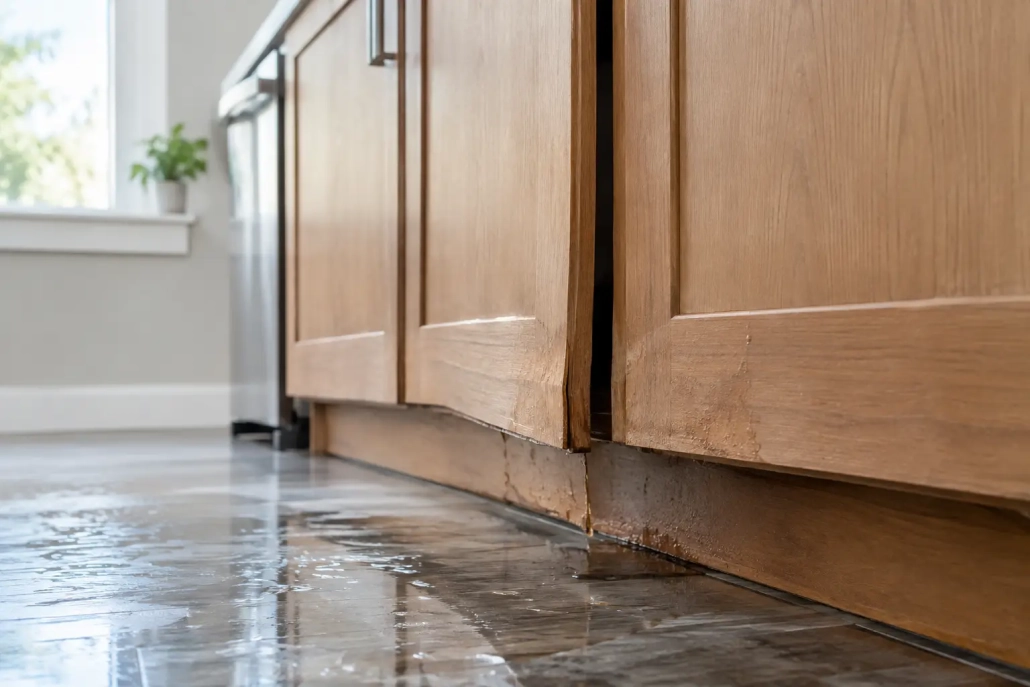
A small puddle under the kitchen sink can become a much bigger problem by the next morning. Can water damage warp cabinets? Yes. Moisture can swell cabinet materials, loosen joints, lift finishes, and leave doors that no longer close squarely. In South Florida, where humidity is already high, a plumbing leak, appliance overflow, or storm-related intrusion can push cabinet damage from minor to permanent quickly.
The good news is that not every wet cabinet needs replacement. The outcome depends on how much water reached the cabinet, what it is made of, and how quickly the area is properly dried. Acting early protects more than the cabinet face – it can help prevent mold growth, damaged subfloors, and hidden moisture behind walls.
How water causes cabinets to warp
Cabinets are built from several materials, and each reacts to water differently. Solid wood can absorb moisture and expand. As it dries, it may contract unevenly, creating cupping, twisting, or cracks. Plywood generally holds up better because its layered construction is more stable, but it can still delaminate when exposed to enough water.
The most vulnerable cabinets are often made with particleboard or medium-density fiberboard, commonly called MDF. These engineered materials can absorb water like a sponge, especially along unfinished edges, cabinet bottoms, and cutouts around plumbing. Once particleboard swells, it rarely returns to its original shape. The surface laminate may bubble or separate, and the cabinet box can lose structural strength.
Water does not need to flood a room to cause trouble. A slow leak beneath a sink can soak the cabinet floor for weeks without being obvious. Dishwasher leaks often affect the cabinet side panels and toe-kick area. In bathrooms, failed caulk, overflowing toilets, or supply-line leaks can send moisture into vanity bases and surrounding walls.
Signs your cabinets may be water damaged
Early signs can be subtle. Cabinet doors may begin rubbing against one another or sit unevenly. Drawers can stick. You may see bubbling paint, peeling laminate, darkened wood, soft spots, or swollen seams along the bottom edge.
A musty smell is another warning sign. It can indicate that moisture is trapped inside the cabinet box, behind the toe kick, or in the wall and flooring below. Do not assume a cabinet is dry just because the visible surface feels dry. Water can remain in materials and enclosed spaces long after the initial leak is cleaned up.
Can warped cabinets be saved?
Sometimes, but timing matters. Cabinets exposed to clean water for a short period may be saved when the water source is stopped and the affected area is dried thoroughly. Solid-wood doors and frames may need adjustment or refinishing after drying, while lightly affected plywood components can sometimes remain stable.
However, swollen particleboard cabinet bases usually do not recover. If the material is soft, crumbling, bowed, or separating at the seams, replacement is often the dependable option. Trying to cover damaged particleboard with paint or a new liner may improve appearance briefly, but it does not restore the cabinet’s strength.
There is also a health and safety consideration. If water came from a toilet backup, sewage line, floodwater, or other contaminated source, the affected cabinet materials may need removal. Porous materials can hold contaminants even after surface cleaning. Professional restoration helps identify what can be cleaned, what should be removed, and whether moisture has spread beyond the cabinet itself.
What to do when cabinets get wet
Your first priority is stopping the water. Shut off the valve beneath the sink if a supply line is leaking, turn off the appliance if it is the source, or contact a plumber for a leak you cannot safely control. If the issue involves a larger active leak or flooding, treat it as a restoration emergency rather than a simple cleanup job.
Next, remove everything from the cabinet. Take out cleaners, food, shelf liners, and loose panels so air can reach the wet surfaces. Mop up standing water and dry accessible areas with clean towels. Leaving items inside a wet cabinet traps moisture and delays drying.
Then focus on controlled drying. Open doors and drawers, use air movement, and run air conditioning or a dehumidifier to reduce indoor humidity. Avoid blasting high heat into cabinet materials. Aggressive heat can crack wood, distort laminate, and dry surface areas while moisture remains hidden underneath.
For a small, clean spill caught immediately, these steps may be enough. But if water reached the cabinet base, wall, flooring, or neighboring rooms, professional moisture detection is the safer choice. Restoration equipment and moisture meters can locate water that is not visible from the room.
Why South Florida humidity changes the timeline
Palm Beach County properties face a different drying challenge than homes in a dry climate. Air that already carries substantial moisture slows evaporation. A cabinet may look dry after a few hours, while the interior material remains damp enough to swell or support microbial growth.
That is why opening windows is not always the best answer during humid or rainy weather. In many cases, conditioned indoor air and professional dehumidification are more effective. The goal is not simply to move air around the room. It is to remove moisture from the cabinet materials, the air, and any affected surfaces behind or below them.
Condominiums and multifamily properties need an added level of attention. Water can travel between units through shared walls, plumbing chases, and floor assemblies. A leak from an upstairs unit may show up first as a warped kitchen cabinet or stained vanity in the unit below. Property managers and HOA boards should document the affected areas early and coordinate a prompt assessment before damage spreads.
Repair, refinish, or replace?
The right solution depends on the cabinet material and the extent of damage. If the cabinet boxes are sound but doors have minor swelling or finish damage, refinishing or replacing doors may be a practical route. Hinges can also be adjusted once materials have fully dried and stabilized.
If only the sink-base cabinet floor is damaged, a qualified professional may be able to repair or replace that component without rebuilding the entire kitchen. This works best when the cabinet sides, back, countertop support, and surrounding flooring remain dry and structurally sound.
Replacement is usually the better long-term decision when particleboard has expanded, cabinet joints have separated, mold has developed, or water damaged the flooring and wall behind the cabinet. It may feel like a larger project upfront, but rebuilding on top of compromised materials can lead to repeated repairs and a poor finish later.
Preventing the next cabinet water loss
A few routine checks can prevent many cabinet problems. Look under sinks monthly for dampness, corrosion around supply valves, loose drain fittings, or a cabinet liner that feels wet. Run your hand along the cabinet base and back panel, where slow leaks are often missed.
Keep dishwasher and refrigerator connections maintained, and replace cracked caulk around bathroom vanities and kitchen backsplashes. For vacant properties, seasonal homes, and rental units, regular inspections are especially valuable because a small leak can continue unnoticed for days.
If you see cabinet swelling, a persistent musty odor, or water near an appliance or plumbing fixture, do not wait for the visible damage to get worse. A prompt water-damage assessment can determine whether the cabinet can be dried and preserved or whether hidden moisture requires a larger response. The Cleaners Drones provides professional water-damage restoration for South Florida properties, with focused drying and cleanup designed to protect the areas you can see and the ones you cannot.
A warped cabinet is often the first visible clue, not the full extent of the problem. Address the water source quickly, dry the area correctly, and get professional help when moisture has moved beyond the surface. That early action gives your cabinets the best chance of staying functional, clean, and worth keeping.


Leave a Reply
Want to join the discussion?Feel free to contribute!