How Encapsulation Cleaning Dries Carpets Fast
A carpet can look clean when the crew leaves and still create a problem if it stays damp through the afternoon. That is why homeowners, property managers, and business owners often ask how encapsulation cleaning dries carpets so quickly. The answer is a low-moisture process that controls the amount of water applied while turning loosened soil and detergent residue into dry, vacuumable particles.
For busy homes, condos, offices, and common areas, faster drying is more than a convenience. It means less chance of tracked-in dirt, fewer wet-floor concerns, and a quicker return to normal routines. In South Florida, where humidity can slow any drying process, using the right cleaning method and proper airflow makes a visible difference.
How Encapsulation Cleaning Dries Carpets
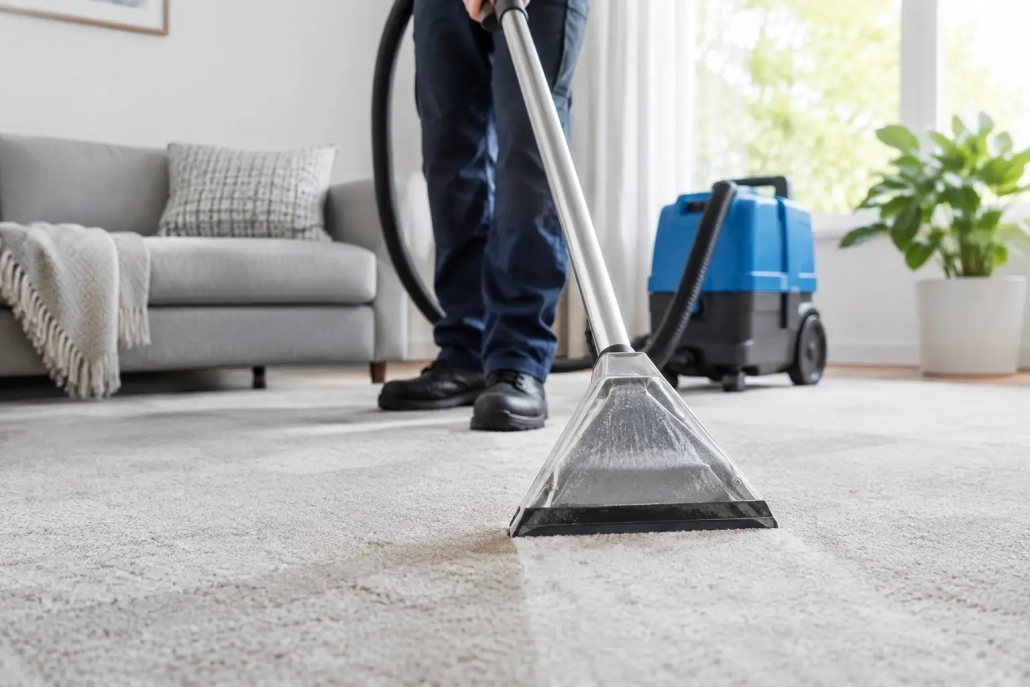
Encapsulation cleaning uses a specialized cleaning solution with polymers, ingredients that surround and capture soil as the carpet dries. A technician applies a controlled amount of solution, agitates it into the carpet fibers with a machine or carpet brush, and allows the carpet to dry. As moisture evaporates, the polymer forms a brittle crystal around loosened dirt, oily residue, and remaining detergent.
Once dry, regular vacuuming removes those crystallized particles. Instead of leaving behind a sticky soap film that can attract new dirt, a quality encapsulation product is designed to dry clean and release from the fiber during vacuuming.
The process uses much less water than traditional hot-water extraction. Less moisture in the carpet means less moisture that has to evaporate before the room can return to service. Under normal indoor conditions, many carpets treated with encapsulation cleaning are dry to the touch in about 30 minutes to two hours. The exact time depends on the carpet, the level of soil, indoor air movement, and humidity.
Low Moisture Is the Main Reason for Faster Drying
A carpet is not just a surface. Moisture can settle through the fibers into the backing and, in some cases, the pad below. Traditional deep extraction can be an excellent option for heavily soiled carpet, but it introduces more water and requires strong recovery equipment to pull that water back out.
Encapsulation cleaning is different. The solution is applied as a light spray or controlled mist, not a soaking treatment. Proper agitation spreads it through the carpet pile, where it can break the bond between soil and fiber without saturating the backing. Because the carpet remains only lightly damp, evaporation happens much faster.
This makes encapsulation especially useful for commercial carpet, low-profile carpet, carpet tiles, and routinely maintained residential carpeting. It is a practical way to improve appearance between deeper restorative cleanings.
The Polymer Helps Keep Carpet Cleaner After It Dries
Fast drying is only part of the benefit. Some cleaning products leave residue behind, particularly if too much detergent is used or the carpet is not thoroughly rinsed. Residue can feel tacky and act like a magnet for fresh dirt. A carpet may look better for a short time, then seem to get dirty again quickly.
Encapsulation chemistry is intended to reduce that problem. As the solution dries, it captures remaining particles and becomes easier to remove by vacuuming. That can help carpet fibers feel cleaner and look brighter without the rapid resoiling associated with residue-heavy cleaning.
The result still depends on the technician, the equipment, and the product used. Applying too much solution can extend drying time. Skipping agitation can limit soil removal. Vacuuming after the carpet is fully dry is also part of the process, not an optional final detail.
What Affects Encapsulation Carpet Drying Time?
Even a low-moisture method is affected by the conditions inside the property. A clean carpet in a well-air-conditioned Palm Beach County home may dry much faster than carpet in a closed-up unit with the air conditioning off.
Four factors matter most:
- Humidity: High outdoor humidity makes evaporation slower, especially if doors and windows are open.
- Airflow: Ceiling fans, HVAC circulation, and air movers help moisture leave the carpet fibers.
- Carpet type: Dense, plush carpet can hold more moisture than short commercial pile or carpet tile.
- Application level: A trained technician adjusts the amount of solution to the carpet and soil condition instead of using a one-size-fits-all approach.
Air conditioning is often a major advantage in South Florida. Keeping the AC running at a comfortable setting and using ceiling fans can speed drying without overheating the space. Walking lightly on the carpet may be possible before it is fully dry, but it is best to limit traffic until the fibers feel dry to the touch. Avoid replacing heavy furniture or area rugs until moisture has fully evaporated.
When Encapsulation Is the Right Choice
Encapsulation cleaning works best as a maintenance-focused cleaning method. It is an efficient fit for properties that need a cleaner appearance with minimal downtime, such as offices, hallways, model units, condos, waiting rooms, and homes with active families or pets.
It can remove everyday soil, light-to-moderate traffic patterns, surface oils, and many common spots. The process is also useful when a property cannot have wet carpet underfoot for a full day. A business can schedule service around operating hours, and residents can get back to using their rooms sooner.
For carpets cleaned on a routine schedule, encapsulation can help preserve a fresher look between more intensive services. Regular vacuuming remains essential because the captured soil needs to be removed after it dries.
When a Different Method May Be Better
No single method is right for every carpet. A qualified cleaner should inspect the fibers, backing, stains, and source of the problem before recommending a service.
Hot-water extraction may be the better choice for deeply embedded soil, heavy food or beverage spills, major pet accidents, urine contamination, flood-related concerns, or carpets that have not been professionally cleaned for a long time. Those conditions may require flushing, extraction, odor treatment, or targeted stain removal beyond what a low-moisture cleaning can provide.
Greasy restaurant soil, heavy oils, and neglected high-traffic areas may also need additional pre-treatment or a deeper restorative process. Encapsulation can improve them, but expecting a light-moisture service to correct years of buildup in one visit is not realistic.
Carpet construction matters, too. Delicate natural fibers, specialty rugs, loose seams, and carpets with pre-existing backing issues should be evaluated carefully. The goal is not simply to make a carpet dry fast. It is to clean it effectively while protecting the material underneath.
How to Help Your Carpet Dry Faster After Cleaning
A few simple steps support the cleaning process. Keep the air conditioning on, run ceiling fans if available, and avoid opening windows on humid days. If furniture was moved, wait until the carpet is fully dry before returning heavy pieces to their usual position.
Vacuuming once the carpet is dry is particularly valuable after encapsulation cleaning. It removes the dried polymer and captured soil that the process has lifted from the fibers. In high-traffic areas, a thorough vacuuming the next day can make the finished result look even better.
If a spot reappears after drying, it may be wicking. This happens when soil from deeper in the carpet or backing travels upward as moisture evaporates. It does not always mean the cleaning failed, but it may need a follow-up treatment. Addressing the source promptly gives the best chance of preventing a permanent mark.
For routine carpet care, The Cleaners Drones helps South Florida property owners choose cleaning methods based on the carpet’s condition, the property’s schedule, and the result they need. The right method should leave the carpet looking refreshed without creating unnecessary downtime.
A faster-drying carpet is not just easier to live with. When low moisture, proper agitation, good chemistry, and airflow work together, it supports a cleaner-looking space that is ready for the people who use it.

Leave a Reply
Want to join the discussion?Feel free to contribute!