Apartment Water Mitigation: What Happens First
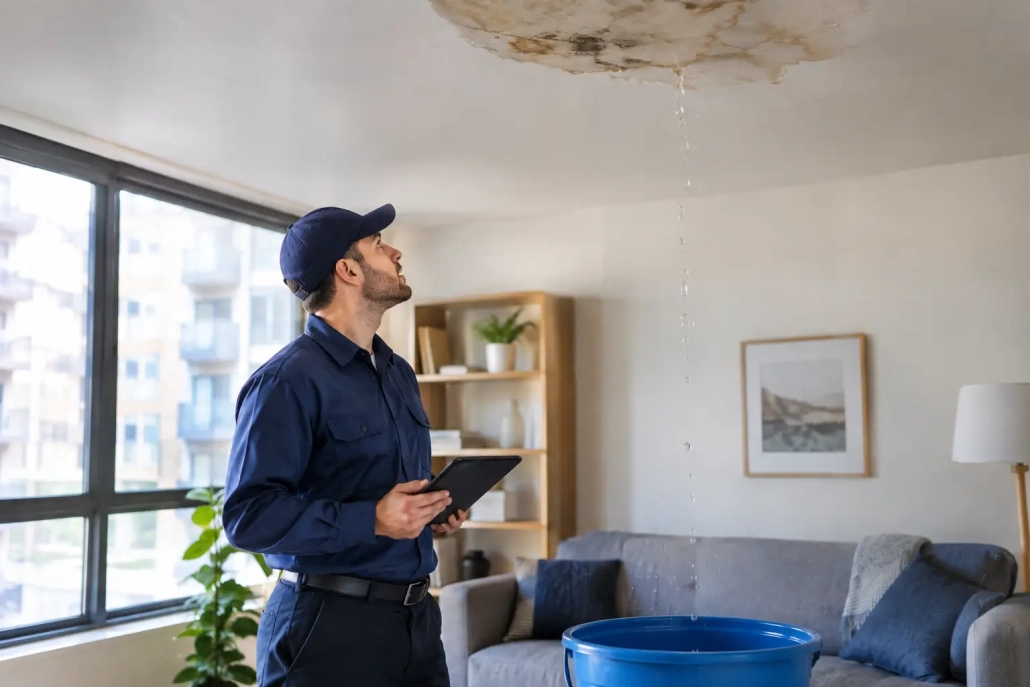
A leaking supply line on the third floor can become a first-floor ceiling collapse faster than most apartment communities expect. Effective apartment water mitigation is the work that happens immediately after water is discovered: stopping the source, protecting people and belongings, removing moisture, and documenting conditions before hidden damage spreads.
For South Florida apartment buildings, condominiums, and rental properties, speed matters as much as the repair itself. Humidity can slow drying, and water can travel through wall cavities, under flooring, and across connected units. The goal is not simply to make the area look dry. It is to return affected materials to safe moisture levels and prevent a manageable leak from becoming a larger restoration project.
The First Hours Set the Scope of Damage
Water damage is rarely limited to the spot directly under a leak. A failed ice maker line, overflowing toilet, roof intrusion, or burst supply pipe can move through cabinets, insulation, drywall, baseboards, flooring, and electrical areas. In a multifamily property, it may also affect the units below or beside the original source.
The first response should focus on safety and control. If water is near electrical outlets, appliances, or a breaker panel, keep residents out of the area and have a qualified professional assess the risk. If the source is accessible and safe to reach, shut off the local fixture valve or the building water supply. Property managers should also alert residents in potentially affected units before water reaches their belongings or ceilings.
A prompt response typically includes four connected actions:
- Stop or contain the water source.
- Extract standing water from floors, carpets, and other affected materials.
- Measure moisture in walls, floors, cabinets, and surrounding areas.
- Set drying equipment and monitor conditions until materials reach appropriate levels.
Skipping the measurement and monitoring steps is where many water events become more expensive. A floor can feel dry while moisture remains behind baseboards or inside drywall. That trapped moisture can lead to odors, material deterioration, staining, and microbial growth.
Apartment Water Mitigation Is Different From a Single-Family Cleanup
An apartment water loss has more moving parts than a leak in a detached home. There may be residents, owners, tenants, maintenance teams, association rules, insurance carriers, and neighboring units involved. Clear communication helps protect everyone while drying and repairs move forward.
The water source also affects the mitigation plan. Clean water from a broken supply line is handled differently from water involving a toilet backup, drain overflow, or outside flooding. Category of water, length of exposure, affected materials, and the presence of contamination all determine what can be dried and saved versus what should be removed.
For example, a clean-water leak caught quickly may allow carpet, padding, cabinets, and drywall to be dried in place. If water has sat for an extended period or comes from a contaminated source, porous materials may no longer be appropriate to restore. Trying to save every material can appear less disruptive at first, but it can create a larger health and repair issue later.
In occupied properties, mitigation also needs to respect daily life. Residents need clear access instructions, realistic drying timelines, and advance notice about equipment noise. Property managers need documentation that shows which units were inspected, what materials were affected, and how drying progress was verified.
What Professional Drying Should Look Like
A professional mitigation crew begins with an inspection, not assumptions. Moisture meters, thermal imaging, and humidity readings help identify the actual footprint of water. This is particularly useful in apartments with shared plumbing walls, floating floors, layered flooring, and ceilings below bathrooms or kitchens.
Standing water is removed first using extraction equipment. Then technicians determine whether materials can dry in place. Baseboards may need to be carefully removed to inspect wall cavities. Flooring may require specialized drying methods, depending on whether it is tile, vinyl, laminate, wood, carpet, or another material.
Air movers and dehumidifiers are positioned to create controlled drying conditions. Simply opening windows is not always the answer in Palm Beach County. Outdoor humidity can introduce more moisture into the space, which slows drying and makes humidity control harder. Proper equipment placement and daily monitoring make the process more efficient and help prevent unnecessary demolition.
Drying is complete when readings confirm that affected materials have returned to an acceptable moisture range, not when the equipment has been running for a set number of days. Most straightforward losses can be stabilized quickly, but the full timeline depends on how much water entered the structure, the materials involved, and how soon the source was stopped.
Protecting Residents, Belongings, and Building Operations
A good response plan balances urgency with order. Residents should move personal items away from wet areas when it is safe to do so. Management should photograph visible damage, record the time the leak was found, and keep notes on every affected unit. These details can support insurance reporting and help prevent confusion during repairs.
For property managers and HOA boards, one central point of contact is especially useful. Residents may report different symptoms at different times: a bubbling wall, damp carpet, a ceiling stain, or a musty odor. Coordinating inspection early helps identify whether these reports stem from one loss event or separate maintenance problems.
It also helps to separate mitigation from reconstruction. Mitigation stops the damage from getting worse by removing water and drying the structure. Reconstruction restores finishes afterward, such as drywall, paint, flooring, cabinets, or trim. The phases may overlap in planning, but drying should be verified before cosmetic repairs begin. Painting over a water stain or reinstalling baseboards before the wall is dry can conceal a problem rather than solve it.
Common Mistakes That Increase Apartment Water Damage
The most costly mistake is waiting to see whether an area dries on its own. A small ceiling stain may be the first visible sign of a larger amount of moisture above it. Another common issue is using household fans without controlling humidity or checking hidden materials. Fans can help move air, but they do not confirm that the assembly is dry.
Property teams should also avoid moving equipment or removing materials without documenting the initial condition. Photos, moisture readings, and a clear work record help establish the scope of loss for owners and insurers. They also help residents understand why a seemingly minor leak may require access to baseboards, flooring, or portions of drywall.
Finally, do not overlook exterior causes. Wind-driven rain, roof issues, window failures, and water intrusion around balconies can show up inside an apartment as a ceiling or wall problem. In multi-story buildings, exterior maintenance and safe access are part of long-term water prevention. The Cleaners Drones works with South Florida properties on cleaning and restoration needs, including hard-to-reach exterior areas where conventional access can add disruption.
When to Call for Apartment Water Mitigation
Call for professional help immediately when water is actively spreading, has reached more than one room or unit, involves a ceiling, affects flooring or drywall, or comes from a drain, toilet, or unknown source. The same applies if there is a musty odor after a leak, visible swelling in materials, or a resident reports recurring moisture in the same area.
Even a contained leak deserves a careful assessment when it occurs in a shared building. What is visible in one apartment may only be part of the picture. Fast extraction, measured drying, and clear documentation give property owners and residents the best chance to protect the building, reduce downtime, and move confidently into repairs.
When water enters an apartment, the most reassuring outcome is not a quick visual cleanup. It is knowing the source was stopped, the hidden moisture was addressed, and the space was properly verified before normal life resumes.


Leave a Reply
Want to join the discussion?Feel free to contribute!