Mold Prevention for South Florida Properties
A musty smell in a closet, a dark mark near an AC vent, or mildew returning to a shower wall is rarely just a cleaning issue in South Florida. It is usually a moisture issue. Effective mold prevention starts by controlling the humidity, leaks, and damp materials that give mold a place to grow – before a small concern turns into damaged drywall, stained finishes, resident complaints, or a costly restoration project.
Palm Beach County properties face a challenging combination: long humid seasons, wind-driven rain, intense storms, air conditioning running for much of the year, and exterior surfaces that stay damp after a passing shower. The good news is that prevention is practical. It requires consistent attention to water, airflow, cleaning, and the specific weak points of your home or building.
Why mold finds South Florida properties so easily
Mold spores are naturally present indoors and outdoors. The goal is not to create a completely spore-free property. The goal is to keep conditions dry enough that spores cannot settle in and multiply on materials such as drywall, wood, carpet backing, upholstery, ceiling tiles, insulation, and dust.
Humidity is the main reason a clean-looking property can still develop mold. When indoor humidity remains high, condensation can form around supply vents, windows, cold pipes, and exterior-facing walls. That moisture may be subtle, but it can be enough to support growth in a closet, behind furniture, or inside an HVAC area where it is not noticed right away.
Water intrusion creates a more urgent risk. A roof leak, plumbing leak, overflowing appliance, storm-related opening, or wet carpet can lead to mold growth in as little as 24 to 48 hours under the right conditions. The trade-off is simple: routine maintenance takes time, but delayed drying can turn a manageable repair into a larger restoration project.
Mold prevention begins with moisture control
For homeowners, condo associations, and property managers, humidity control should be part of normal property care. Aim to keep indoor relative humidity below 60%, with a range closer to 30% to 50% when possible. A simple digital humidity monitor can reveal whether a room, unit, storage area, or office is staying too damp.
Your air conditioning system does more than cool the air. It also removes moisture. If rooms feel clammy even when the thermostat is set correctly, the system may need attention. Dirty filters, blocked condensate lines, an oversized unit that short-cycles, or poor return airflow can all reduce dehumidification. Have HVAC equipment serviced on schedule, replace filters as recommended, and make sure condensate drains are clear and properly routed.
Bathrooms, laundry rooms, kitchens, and enclosed closets need extra attention. Run exhaust fans during showers and for a period afterward. Use kitchen ventilation when cooking. Avoid packing closets so tightly that air cannot move around walls and stored belongings. If a closet has a persistent musty odor, do not cover it with fragrance. Check for damp walls, exterior leaks, condensation, or items put away before they were fully dry.
Address leaks on the day you find them
A slow leak beneath a sink or behind a refrigerator can be more damaging than an obvious plumbing emergency because it may continue unnoticed for weeks. Check plumbing connections, appliance hoses, water heater areas, and under-sink cabinets regularly. Property managers should also make reporting water issues easy for tenants and residents. Small leaks reported early are usually far easier to dry and repair.
After heavy rain, inspect ceilings, window frames, exterior doors, and wall areas around known roof or façade concerns. In multi-story buildings, water can travel away from the original point of entry, so the visible stain is not always the source. Prompt evaluation matters, especially after a storm.
Dry water damage fast and completely
The first 24 to 48 hours after a leak, flood, or storm intrusion are critical. Remove standing water, protect furniture and belongings, and begin drying affected materials immediately. Fans and dehumidifiers can help with minor, contained incidents, but they are not a substitute for proper moisture assessment when water has reached carpet padding, drywall, baseboards, cabinets, or structural materials.
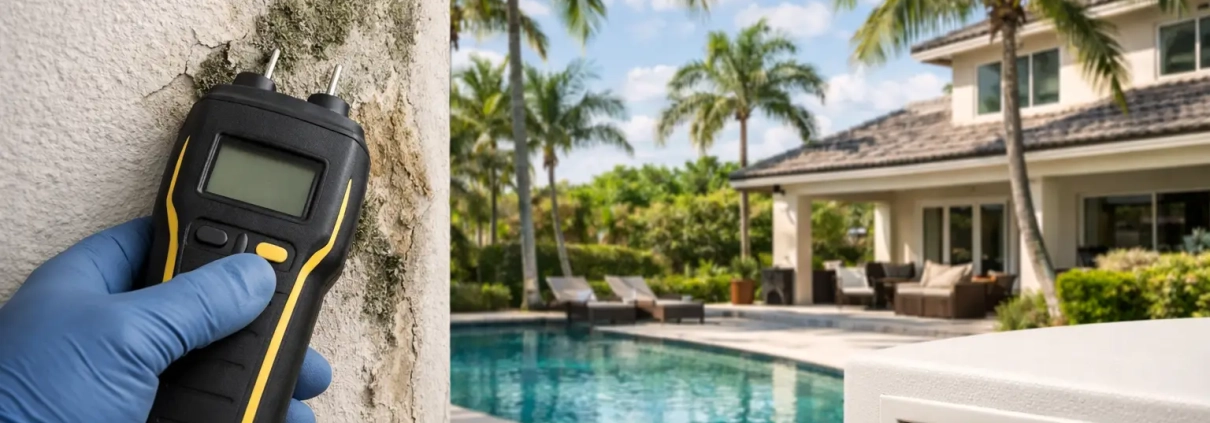
A surface can feel dry while moisture remains trapped behind it. That is why professional water damage service uses moisture detection, controlled drying equipment, and documentation to determine whether materials are actually dry. This is particularly valuable for condominiums and commercial properties, where a leak in one unit or suite can affect neighboring spaces.
Do not assume that bleach is the answer to every mold concern. On nonporous surfaces, appropriate cleaning may remove visible growth. On porous materials or large affected areas, simply wiping the surface can leave contamination and moisture behind. The right response depends on the material, the size of the affected area, the source of water, and whether the moisture problem has been corrected.
Keep bathrooms, kitchens, and floors from holding moisture
Regular cleaning supports mold prevention because it removes the soap residue, body oils, food debris, and dust that can help mildew and mold establish themselves. Focus on areas that stay wet or receive limited airflow, including shower corners, grout lines, caulk, tub surrounds, sink cabinets, refrigerator drip areas, and flooring near exterior doors.
Grout deserves special attention. It is porous, and damaged or missing grout and caulk allow water to reach areas behind tile. If grout stays dark, crumbles, or repeatedly develops mildew despite cleaning, it may need restoration rather than another round of household cleaner. Restored grout and properly maintained sealant improve appearance, but they also help reduce the places where moisture can collect.
Carpet, area rugs, and upholstery should never remain wet after a spill, leak, or cleaning. Professional cleaning can refresh these materials and remove embedded soil, but drying time matters. Keep air conditioning running, improve ventilation where appropriate, and avoid placing damp rugs back on floors. If carpet padding was saturated by contaminated water or stayed wet for an extended period, replacement may be the safer choice.
Exterior maintenance protects the interior
Mold prevention is not only an indoor task. South Florida’s humidity, rain, and shade can leave exterior walls, roofs, walkways, patios, gutters, and window areas coated with organic growth. Mildew and algae on exterior surfaces may not always indicate an indoor mold issue, but they signal a moisture-friendly environment and can contribute to staining, slippery walkways, blocked drainage, and neglected building envelopes.
Keep gutters, drains, downspouts, and roof drainage paths clear so water moves away from the structure. Trim vegetation that presses against walls or blocks airflow. Inspect caulking around windows and doors, and watch for peeling paint, cracking sealant, or staining around openings.
For multi-story buildings, exterior cleaning and inspection can be difficult when access requires lifts, scaffolding, or disruptive work zones. Drone-powered, low-pressure exterior cleaning gives property teams a practical way to maintain hard-to-reach surfaces while reducing access-related disruption. The Cleaners Drones uses this approach for high-rise and multi-story properties where safer access and visible results both matter.
A practical inspection routine for homes and buildings
Prevention works best when it is routine rather than reactive. Each month, look under sinks, around toilets, near water heaters, and at AC closets or air handlers. Check for condensation, dampness, discoloration, loose flooring, bubbling paint, or odors that return after cleaning.
After major rain events, inspect the roofline, ceilings, windows, exterior doors, and common areas. For HOAs and commercial properties, document recurring water issues by location and date. Patterns can reveal a drainage, roof, plumbing, or HVAC problem that one-off cleaning will not solve.
Pay attention to resident or employee reports as well. A complaint about a musty odor, damp carpet, or recurring bathroom mildew is useful information, not a minor inconvenience. Early investigation protects indoor conditions and helps avoid more disruptive work later.
When to call for professional help
Call for professional assessment when water has affected more than a small, easily dried area; when visible mold keeps returning; when odors persist; or when the source of moisture is unclear. You should also act quickly after roof leaks, burst pipes, appliance overflows, sewage backups, or storm water intrusion.
For property managers and HOA boards, fast response protects more than finishes. It supports resident confidence, reduces the chance of damage spreading between units, and creates a clearer record of what happened and how it was addressed. The right team can help identify moisture, dry affected areas, clean appropriate surfaces, and recommend the next step based on the actual condition of the property.
A dry, well-maintained property is easier to clean, healthier to occupy, and more resilient when South Florida weather puts it to the test. Start with the next damp corner, slow drain, or musty closet you notice – small corrections made early can protect the spaces people rely on every day.
Does Steam Cleaning Shrink Upholstery? What to Know
A sofa can look dramatically better after a deep clean, but no homeowner wants that improvement to come with tighter cushions, puckered seams, or distorted fabric. So, does steam cleaning shrink upholstery? It can, but only under certain conditions. The real risk comes from using too much heat, too much moisture, or the wrong cleaning method for the fabric.
Professional upholstery cleaning is not a one-setting process. A qualified technician identifies the fiber type, checks the manufacturer’s cleaning code, tests a hidden area, and controls heat and drying time. That approach helps remove soil, odors, and stains while protecting the fit, feel, and appearance of the furniture.
Does Steam Cleaning Shrink Upholstery?
Natural fibers are the most likely to shrink when exposed to high heat or excessive water. Cotton, linen, rayon, silk, wool, and some blends can tighten, wrinkle, lose shape, or develop water marks if they are cleaned aggressively. Even a durable-looking couch may have a delicate face fabric, cotton backing, or glued components underneath the upholstery.
Synthetic materials such as polyester, olefin, acrylic, and many microfiber fabrics are generally more stable. Still, that does not mean they are safe for unlimited heat. Hot steam can affect certain finishes, cause pile distortion, set some stains, or loosen adhesives used in cushions and trim.
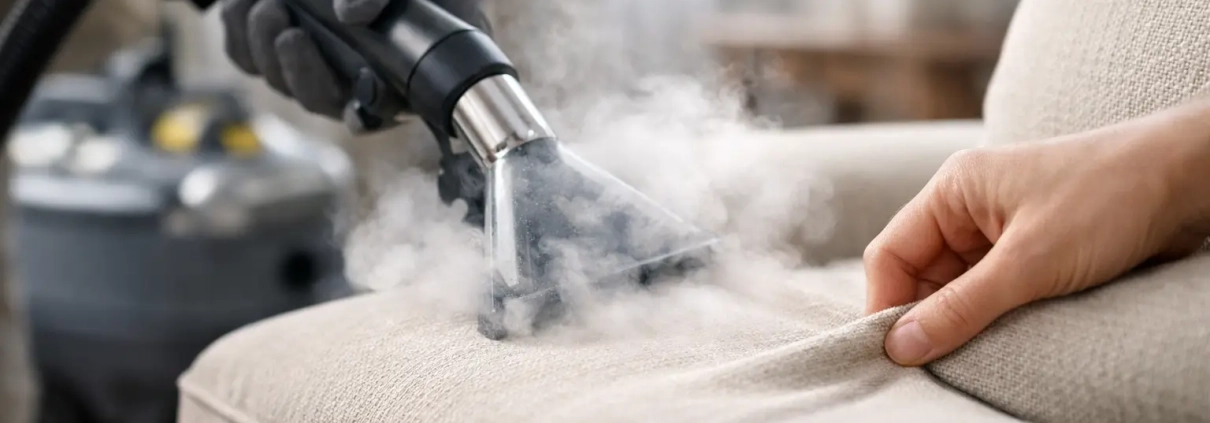
The word “steam cleaning” also creates confusion. Many people use it to describe any machine that sprays hot water and extracts it. True vapor steam is very hot and contains relatively little water. Hot-water extraction uses warm cleaning solution, agitation, and powerful recovery equipment. Both methods can be effective, but neither is appropriate for every piece of upholstery.
What Actually Causes Upholstery to Shrink
Shrinkage usually happens when moisture and heat change the structure of a natural fiber. Fabric that becomes saturated may contract as it dries, especially if it dries unevenly or too quickly under intense heat. That is why a do-it-yourself rental machine, household steamer, or handheld tool can create problems when used without fabric-specific guidance.
Several other factors can make the risk higher:
- Fabric construction: Loose weaves, unpreshrunk cotton, rayon blends, and delicate natural fibers require more controlled cleaning.
- Cushion design: Removable covers may shrink around the foam or become difficult to reinstall after washing.
- Hidden materials: Cotton or jute backing, foam, cardboard supports, and adhesives can react badly to overwetting.
- Previous wear: Older furniture, sun-faded fabric, weakened seams, and prior spot treatments may be less stable than they appear.
- Drying conditions: South Florida humidity can slow drying. When furniture stays damp too long, it may develop odor, browning, dye migration, or mildew concerns.
A common issue is not full shrinkage of the entire sofa. Instead, homeowners may see ripples, pulled seams, stiff spots, cushion cover distortion, or a skirt that no longer hangs evenly. These changes are often difficult, and sometimes impossible, to reverse.
Read the Upholstery Cleaning Code Before Using Heat
Most upholstered furniture has a care tag under a cushion, beneath the frame, or attached to the underside. The tag may list a cleaning code that provides a useful starting point.
W means water-based cleaning methods are typically permitted. S means use a solvent-based cleaner only. WS or SW means either water- or solvent-based methods may be suitable. X means vacuuming or professional cleaning only, with no water- or solvent-based spot cleaning recommended at home.
These codes matter, but they are not a complete cleaning plan. A W-coded sofa may still need low moisture, moderate temperature, and careful drying. A fabric’s colorfastness, texture, backing, and condition all affect the safest method.
If you cannot find the tag, do not assume the furniture is washable. This is especially true for custom pieces, vintage furniture, imported upholstery, velvet, silk, wool, and furniture with down-filled cushions.
Fabrics That Need Extra Caution
Rayon is one of the more challenging upholstery fibers because it can brown, shrink, and lose texture easily. Cotton and linen can also shrink or develop water rings. Wool can felt or change texture when exposed to heat and agitation. Silk should not be treated with ordinary steam-cleaning equipment.
Velvet deserves special attention as well. Whether it is cotton, polyester, or a blend, excessive heat or brushing can crush the pile and leave permanent shading. Leather is not upholstery fabric in the usual sense, but it also should not be steam-cleaned like a cloth sofa. It needs a leather-specific cleaning and conditioning process.
Microfiber often responds well to professional cleaning, but there are exceptions. Some microfiber is water-safe; other types require solvent-based products. Applying water to an S-coded microfiber couch can leave dark rings or stiff patches.
How Professionals Clean Upholstery Without Overwetting It
Safe upholstery cleaning starts with inspection, not a machine. A technician should check the care code, identify likely fibers, inspect stains, and look for fading, weakened seams, pet damage, ink, dye transfer, or previous cleaning residue. A small test in an inconspicuous area helps confirm that the color and texture remain stable.
From there, the method is matched to the piece. Some furniture benefits from low-moisture hot-water extraction with fast recovery. Others need dry foam, solvent cleaning, encapsulation, or detail hand-cleaning. The goal is not to apply the most heat or water. The goal is to remove embedded soil while leaving the fabric only lightly damp.
Drying is part of the service, not an afterthought. Professional extraction equipment removes more moisture than consumer machines, and air movement can be used to speed dry time. In Palm Beach County and throughout South Florida, managing indoor humidity is especially helpful. Air conditioning, ceiling fans, and proper airflow can help upholstery dry evenly and reduce the chance of lingering odors.
When Steam Cleaning Is the Wrong Choice
Steam cleaning is not the right answer when the upholstery code prohibits water, when the fabric is unstable, or when a stain requires specialized chemistry rather than heat. Protein stains, such as blood, dairy, or some pet accidents, can become more difficult to remove if high heat is applied first. Heat can also permanently set certain dyes and make some spills spread.
Furniture with severe urine contamination may need more than surface cleaning. Odor treatment has to reach the affected padding and underlying materials without soaking the entire piece. Similarly, smoke odor, mold concerns, water damage, and heavily stained vintage upholstery require a careful assessment before any cleaning begins.
A professional may recommend against cleaning when the fabric is too fragile or the risk of damage outweighs the likely improvement. That is not a lack of effort. It is an honest recommendation designed to protect an expensive piece of furniture.
Smart Steps Before You Clean a Sofa at Home
For light maintenance, vacuum upholstery regularly using a brush or upholstery attachment. This removes dry soil before it works deeper into the fabric. Address fresh spills by blotting gently with a clean white towel. Avoid rubbing, which can spread the stain and damage fibers.
Do not saturate a spot with store-bought cleaner, and do not use a garment steamer as a substitute for upholstery equipment. Test any product in a hidden area first, then allow that area to dry completely before treating a visible section. If a stain remains after one careful attempt, repeated applications often create more risk than benefit.
Protect the Furniture You Use Every Day
A professionally applied fabric protector can help upholstered furniture resist everyday spills and make future maintenance easier. It is particularly useful for family rooms, dining chairs, pet-friendly homes, rental properties, and high-use condo furnishings. Protection does not make fabric stain-proof, but it gives you more time to blot a spill before it penetrates the fibers.
For furniture that needs a deeper refresh, The Cleaners Drones uses material-appropriate methods designed to deliver visible results without treating every fabric the same way. The safest clean is the one tailored to your upholstery, its condition, and the kind of use it sees every day.
Before putting heat, water, or a rental machine on a favorite sofa, check the care label and consider the fabric behind the visible surface. A careful assessment can preserve both the clean look you want and the furniture you paid for.

Exterior Access Savings Example for South Florida
A dirty exterior can create a costly decision long before cleaning begins: how will the crew safely reach it? This exterior access savings example shows why that question matters for South Florida condominiums, commercial buildings, HOAs, and multi-story homes. The biggest savings often come from changing the access method, not from cutting corners on the cleaning itself.
For a building with algae-stained walls, salt residue, mildew, and dark streaking, traditional access can mean lifts, scaffolding, sidewalk closures, extended setup, and work zones that affect residents or customers. Drone-powered exterior cleaning offers a different approach. It uses controlled, low-pressure application from the air, allowing trained operators to treat many elevated surfaces without placing a lift or scaffold against the building.
Why exterior access drives the real cost
A cleaning proposal is not just a price for labor and solution. For elevated surfaces, it also includes the cost and logistics of reaching the work safely. On a three-story or higher property, that can involve equipment rental, delivery, setup, repositioning, traffic or pedestrian control, and extra time for a crew to work around parked cars, landscaping, residents, and business operations.
Those access costs can rise quickly in Palm Beach County. A condominium near the coast may have limited staging space. A retail center may need entrances and parking lanes open throughout the day. An HOA may need to coordinate multiple buildings while minimizing disruption for residents. Even when a lift is the right choice, the property should understand that the equipment is often a significant part of the project cost.
Drone cleaning does not eliminate every onsite preparation step. Ground-level protection, water management, a site assessment, and safety controls still matter. But when aerial access is appropriate, it can remove the need for some of the most expensive and disruptive parts of the job.
Exterior access savings example: a four-story condo
Consider a four-story condominium with approximately 24,000 square feet of exterior wall surfaces that need soft washing. The building has visible mildew on shaded elevations, windblown debris near upper-level balconies, and staining that makes the property look neglected from the street. The manager wants the building cleaned before seasonal occupancy increases.
With a traditional lift-based approach, the contractor may need a boom lift or multiple lift positions to reach upper walls. The work may also require a ground crew to move hoses, protect landscaping, direct residents away from the work area, and relocate equipment as the cleaning progresses.
Here is an illustrative comparison, not a universal price quote:
- Lift rental, delivery, and pickup: $3,500
- Access setup, repositioning, and added labor: $2,400
- Ground protection and traffic or pedestrian management: $1,100
- Exterior cleaning labor and materials: $6,000
- Estimated traditional project total: $13,000
If drone-powered cleaning can safely access the relevant elevations, the lift rental and much of the repeated repositioning may no longer be necessary. The drone operation still requires experienced technicians, site controls, cleaning solution, water access, and careful treatment of the surface. A comparable drone-based project might look like this:
- Drone cleaning operation and aerial access: $3,800
- Ground protection and site management: $700
- Exterior cleaning labor and materials: $6,000
- Estimated drone-based project total: $10,500
In this exterior access savings example, the direct project savings are about $2,500, or roughly 19 percent. The more meaningful benefit may be the reduced interruption to the property. Fewer large machines on site can mean less pressure on parking, fewer blocked walkways, less noise from equipment movement, and a shorter visible work zone.
Actual pricing depends on building height, surface area, access conditions, staining severity, water availability, surface material, local requirements, and whether a lift is still needed for specific sections. The point is not that every building will save the same amount. It is that access should be evaluated as its own cost category before selecting a cleaning method.
Savings that do not always appear on the invoice
The equipment line item is easy to see. The operational savings are often less obvious until a property manager has dealt with a long exterior project.
Less disruption for residents and tenants
Scaffolding and lifts can remain onsite for days, depending on the size and layout of the property. They can restrict parking, create bottlenecks near entrances, and generate complaints when residents cannot use familiar paths. For an occupied condo or office property, a shorter and more contained cleaning process has real value.
Drone cleaning can be especially useful when the property needs a visible exterior refresh without turning the site into a construction zone. The building still receives professional attention, but the process is designed around keeping the property functional.
Lower exposure around elevated work
Traditional exterior cleaning at height requires careful safety planning, trained operators, and the right equipment. That work can be completed safely, but every added access step introduces another element to manage. A drone-based approach keeps technicians on the ground while the cleaning system reaches elevated surfaces.
That does not mean a drone should be used without a plan. Weather, wind, airspace considerations, nearby people, overhead lines, balconies, and the specific facade all need review. The right provider will assess the site instead of promising that one method fits every exterior.
Faster return to normal operations
A restaurant, medical office, retail center, or residential community may measure disruption in ways that do not show up as a cleaning expense. A blocked entrance can affect customer traffic. A reserved parking area can frustrate tenants. A prolonged work zone can require extra staff communication and coordination.
When access equipment is minimized, the property may return to normal use sooner. That is a practical advantage for managers who need maintenance completed without creating a second management project.
When drone cleaning is the better value
Drone cleaning is often a strong fit for broad exterior wall areas, multi-story facades, difficult-to-reach elevations, and properties where lifts or scaffolding would interfere with daily activity. It is particularly useful for low-pressure exterior washing where the goal is to remove organic growth, dirt, and environmental staining without damaging the finish.
South Florida conditions make regular exterior care more than a cosmetic task. Humidity, heavy rain, coastal air, and constant sun can leave surfaces with mold, mildew, algae, and grime. Waiting until staining becomes severe can make a building look poorly maintained and may require more intensive cleaning later.
Still, the best method depends on the surface and the condition. Fragile materials, localized damage, enclosed areas, narrow courtyards, or sections that need hands-on restoration may call for traditional ground crews, lift access, or a combination of methods. A clear inspection should identify what can be cleaned by drone and what requires another solution.
How to compare exterior cleaning proposals
When reviewing estimates, ask each provider what is included in access, protection, and site coordination. A lower base cleaning number can become less attractive if equipment rental, delivery, extended setup, or access-related labor are added later.
Ask how the provider plans to protect landscaping, windows, vehicles, outdoor furniture, and pedestrian areas. Confirm whether the cleaning method is appropriate for the exterior material, especially painted stucco, stone, tile, metal, and delicate finishes. It is also reasonable to ask how long equipment will remain onsite and what areas may be temporarily restricted.
The Cleaners Drones approaches exterior cleaning with the same goal property managers care about most: visible results without unnecessary disruption. For buildings where aerial access makes sense, low-pressure drone cleaning can reduce equipment needs while helping exterior surfaces look cleaner, brighter, and better maintained.
A clean exterior should not require a property to surrender its parking, entrances, and routine for longer than necessary. Before approving a lift or scaffold, ask for an access plan and compare the full cost of getting the job done. The right solution is the one that protects the building, the people around it, and the property budget at the same time.