Drone Cleaning for Tall South Florida Buildings

Drone Cleaning for Tall South Florida Buildings

A building can look neglected long before there is a structural problem. In Palm Beach County, salt air, humidity, windblown debris, mildew, and algae leave their mark on stucco, concrete, roofs, balconies, and exterior walls. Drone cleaning gives property owners and managers a practical way to address that buildup on hard-to-reach surfaces without turning the property into a long-term construction zone.

For a high-rise condominium, a multi-story office, or a large HOA community, the challenge is rarely deciding whether the exterior needs attention. The challenge is access. Traditional exterior cleaning may require lifts, scaffolding, rope-access crews, blocked parking areas, and days of resident or tenant disruption. A drone-powered approach changes the access plan while keeping the focus where it belongs: a cleaner property, safer work conditions, and visible results.

What Drone Cleaning Is Designed to Do

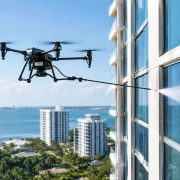
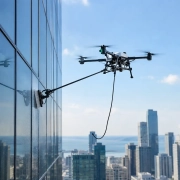
Drone cleaning uses specialized aerial equipment to apply a controlled, low-pressure cleaning solution to elevated exterior surfaces. Rather than forcing water at a surface with high pressure, the process is designed to treat organic growth and surface grime, then rinse it away carefully. That difference matters for materials such as painted stucco, exterior coatings, siding, and other finishes that can be damaged by an overly aggressive approach.

For South Florida properties, this method is especially useful where moisture and salt create recurring exterior buildup. Algae streaks on walls, mildew on upper elevations, and dull, dirty surfaces can make an otherwise well-managed property look uncared for. Regular exterior cleaning helps restore the color and appearance residents, guests, tenants, and prospective buyers notice first.

Drone cleaning is an access solution, not a one-size-fits-all substitute for every exterior service. Ground-level sidewalks, driveways, patios, and heavily soiled hardscape may still need conventional pressure washing. Delicate windows, loose materials, active leaks, and surfaces with existing damage require inspection and a material-specific plan. A professional assessment should determine the safest method before work begins.

Why Access Changes the Entire Cleaning Plan

On a low building, crews can often work from the ground with extension tools or standard equipment. Once the work reaches multiple stories, the cost and complexity increase quickly. Lifts require staging space. Scaffolding can affect entrances, parking, landscaping, and daily operations. Rope access has its place, but it requires specialized planning and can limit how quickly a large façade is completed.

With drone-powered exterior cleaning, the equipment reaches upper elevations from the air. That can reduce the need for bulky access equipment and help keep common areas more usable during the project. For condo boards and property managers, that means fewer questions from residents about blocked walkways, restricted parking, or how long equipment will remain onsite.

Safety is another major consideration. Exterior maintenance always involves risk when workers must reach elevated areas. Reducing the need for crews to work from scaffolding or suspended platforms can reduce exposure to those risks. The work still requires trained operators, proper site control, weather awareness, and a clear plan around people, vehicles, landscaping, and building features. Technology supports safer access, but professional judgment remains essential.

Low Pressure Is Not the Same as Low Results

Many property owners have seen what happens when high pressure is used where it does not belong. It can strip paint, drive water behind vulnerable areas, scar softer surfaces, or disturb damaged caulking. The goal is not simply to blast away dirt. It is to remove the buildup while respecting the material underneath.

A low-pressure cleaning approach relies on the appropriate solution, dwell time, and controlled rinsing. Results depend on the surface condition, the type of staining, and how long growth has been present. Heavily neglected areas may need more attention than surfaces maintained on a routine schedule. That is why a walkthrough and clear expectations matter before scheduling a large exterior project.

Which Properties Benefit Most From Drone Cleaning?

The strongest fit is any property where exterior surfaces are too high, too broad, or too difficult to reach efficiently with conventional equipment. In South Florida, that often includes mid-rise and high-rise condominiums, apartment buildings, hotels, office buildings, retail centers, warehouses, assisted living communities, and multi-story homes.

HOA boards can use aerial cleaning as part of a broader appearance and maintenance plan. Clean exterior walls and common areas support curb appeal, resident pride, and a better first impression for visitors. Commercial property operators benefit from a process that can help maintain a professional exterior without unnecessarily interfering with customers, deliveries, tenants, or normal business hours.

It can also be a smart option for properties with limited staging space. A crowded parking lot, landscaped perimeter, narrow access area, or active entrance can make lifts and scaffolding more difficult to manage. Every site is different, but reducing the footprint of the access equipment can simplify planning.

What Property Managers Should Ask Before Scheduling

A good exterior cleaning proposal should be based on more than building height. Ask how the contractor will evaluate the façade material, identify fragile areas, protect surrounding property, and manage the work zone. The answers should be direct and specific to your building.

You should also discuss the source of the staining. Green or black growth may be related to shade, irrigation overspray, roof runoff, or persistent humidity. Salt residue can be more common near the coast. Understanding the cause helps determine a realistic maintenance interval instead of waiting until discoloration becomes severe again.

For larger communities and commercial properties, communication is part of the service. Residents and tenants need practical information about where work will occur, whether parking or entrances are affected, and what precautions to take around the work area. A professional crew should coordinate around the property schedule whenever possible, especially at busy locations with deliveries, guests, or daily operations.

Maintenance Is Easier Than Recovery

Exterior buildup is easier to manage when it is addressed before it becomes deeply established. Routine cleaning can help prevent the streaked, uneven appearance that makes a building look older than it is. It also gives property teams a regular opportunity to notice loose seals, damaged finishes, drainage issues, or other conditions that may need attention from the appropriate trade.

The right timing depends on the property. A coastal building exposed to salt spray and heavy moisture may need service more often than an inland property with open sun and less vegetation. Buildings near trees, canals, golf courses, or irrigation systems may also see faster algae growth. There is no universal calendar, but a scheduled inspection makes it easier to plan ahead.

A Cleaner Exterior Without the Usual Disruption

Drone cleaning is valuable because it solves a practical problem: how to clean elevated exterior surfaces without relying on the access methods that can make a project expensive, slow, and disruptive. It combines modern aerial technology with the basics that still matter most: appropriate solutions, careful application, respect for the property, and a crew that understands the materials being cleaned.

For South Florida decision-makers, appearance is not a superficial concern. A clean building supports property value, tenant confidence, resident satisfaction, and the reputation of the people responsible for maintaining it. The Cleaners Drones helps property owners and managers evaluate whether drone-powered exterior cleaning is the right fit for their building, then build a plan around safety, access, and the result they want to see.

If upper-level grime, algae, or salt buildup is changing the look of your property, a site evaluation can turn a difficult access problem into a clear maintenance plan.

Soft Washing Contractor Ratings: What They Reveal

Soft Washing Contractor Ratings: What They Reveal

A black-streaked tile roof, green algae on stucco, or mildew around a condominium walkway can make any South Florida property look neglected fast. Soft washing contractor ratings can help you narrow the field, but the star average alone does not tell you whether a company understands your surface, protects your landscaping, shows up as promised, or can safely reach difficult exterior areas.

For homeowners, HOA boards, and property managers, a strong rating should be the start of the conversation, not the finish. The best reviews reveal what happens before, during, and after the cleaning crew arrives.

What Soft Washing Contractor Ratings Should Tell You

Soft washing uses low pressure and cleaning solutions designed to treat organic growth such as algae, mold, mildew, and lichen. It is often a better fit than high-pressure washing for delicate exterior materials, including many roofs, painted surfaces, siding, screens, pavers, and stucco. The method is not simply “pressure washing turned down.” Proper results depend on solution selection, dwell time, rinsing practices, surface knowledge, and job-site protection.

That is why ratings are most useful when reviewers describe the work itself. A five-star rating that says only “great service” is positive, but it offers limited guidance. A review explaining that the crew protected plants, removed algae without damaging the paint, communicated around resident access, and left the property clean is much more valuable.

Look for a consistent pattern across recent reviews. One unhappy customer does not automatically mean a contractor is unreliable, just as one glowing review does not prove long-term quality. Read enough feedback to see whether clients repeatedly mention punctuality, care, responsiveness, visible improvement, and professional follow-through.

Read Beyond the Overall Star Score

A high average matters, especially when it comes from a meaningful number of customers over time. Still, averages can hide details that affect your particular project. A contractor may earn excellent feedback for driveways but have little proof of experience with tile roofs, multi-story façades, or occupied commercial properties.

Start by checking whether the reviews are recent. South Florida exterior cleaning is highly seasonal, and a company’s team, equipment, scheduling capacity, and service standards can change. Recent feedback is more likely to reflect the experience you will receive now.

Then look for reviews from properties that resemble yours. A single-family homeowner may care most about roof appearance and landscaping. A condo board may need evidence that a contractor can coordinate with management, work around residents, control access areas, and keep disruption low. A commercial operator may place more weight on scheduling, safety procedures, and maintaining a professional appearance during business hours.

Specific language is a good sign. Comments about a restored roof color, clean soffits, careful handling of exterior fixtures, or clear arrival updates indicate that the reviewer noticed the details. Repeated comments about vague estimates, missed appointments, overspray, damaged plants, or work that did not last should prompt direct questions before you sign anything.

Pay Attention to How Problems Are Handled

No service company can prevent every issue. Weather changes, blocked access, fragile materials, and unexpected stains can affect exterior cleaning work. What separates a dependable contractor is how the company responds.

Read critical reviews with a practical eye. Does the complaint involve an isolated scheduling issue, or does it describe a repeated concern? Did the company respond respectfully and offer a solution? A calm, specific reply is generally more reassuring than an argument or a generic copied response.

You should also listen for patterns in how customers describe communication. For an HOA or commercial site, one unanswered call can become a resident complaint or a disrupted workday. Reliable updates about scheduling, rain delays, site preparation, and completion matter nearly as much as the cleaning itself.

Match Reviews to the Work You Need

Not all exterior surfaces should be cleaned the same way. Reviews may tell you a contractor produces dramatic results, but your estimate conversation should confirm how those results will be achieved on your building.

Ask what cleaning approach is recommended for your roof, stucco, painted trim, pavers, screen enclosure, or building exterior. A qualified contractor should be able to explain why soft washing is appropriate, when another approach may be safer, and what level of improvement is realistic. Old stains, oxidation, failing paint, rust, and permanent surface wear do not always disappear with cleaning alone.

For roof cleaning, ask how the crew will manage runoff and protect surrounding vegetation. For pavers, ask whether the service includes only cleaning or whether sealing and joint-sand work are separate. For multi-story work, ask how the contractor will access high areas without creating prolonged closures, lift traffic, scaffolding, or unnecessary risk.

This is where a rating from a similar property is especially helpful. A review from a high-rise manager describing safe, low-disruption exterior service carries more relevance for another high-rise than a review about a small patio. The Cleaners Drones uses drone-powered, low-pressure cleaning for difficult-to-reach exterior surfaces, helping many multi-story properties avoid the expense and disruption associated with traditional access equipment.

Questions Ratings Cannot Answer for You

Even detailed reviews cannot replace a clear written estimate. Before choosing a soft washing contractor, confirm the scope of work, the surfaces included, the preparation expected from you, and how the company handles weather delays. Make sure you understand whether the quote covers only the visibly stained areas or the full roof, façade, walkway, or enclosure.

Ask about insurance and the crew’s experience with your property type. This is especially relevant for roofs, elevated work, shared communities, and commercial sites where an accident or damaged surface can become costly quickly. A professional contractor should be comfortable discussing safety practices, access plans, and protection for landscaping, furniture, vehicles, windows, and nearby residents.

It also helps to ask about the expected lifespan of the result. In Palm Beach County, heat, humidity, salt air, shade, and frequent rain encourage organic growth. A fresh cleaning can make a major visual difference, but no honest company should promise that algae will never return. Maintenance timing depends on the surface, nearby trees, drainage, sun exposure, and the property’s location.

Signs a Rating Profile Deserves More Trust

Trustworthy reviews usually look natural. They include different property types, different levels of detail, and comments written over a period of months or years. They may mention a range of services, from roof and exterior cleaning to tile, upholstery, or restoration work, because customers often return to companies that have earned their confidence.

Be cautious if every review sounds nearly identical, appears within a very short window, or uses broad claims without any details. That does not prove the feedback is unreliable, but it is a reason to dig deeper. Compare the review profile with the company’s estimate process. A contractor who listens, inspects the surfaces, explains the method, and provides straightforward answers is giving you better evidence than a star score ever could.

For larger properties, request a site-specific plan rather than relying on a general online promise. The right plan should account for access, occupied areas, drainage, landscape protection, staging, and a schedule that respects residents, tenants, customers, and staff.

Use Ratings to Set Better Expectations

The smartest use of soft washing contractor ratings is to create a short list of companies worth speaking with. Choose the contractor that demonstrates the right experience for your surfaces and property scale, not simply the highest number on the screen.

A clean exterior protects curb appeal, supports resident and customer confidence, and helps property issues become visible before they get worse. When ratings point to careful work and your estimate confirms a safe, surface-appropriate plan, you can schedule cleaning with a clearer idea of what good service should look like.

Exterior Drone Cleaning for South Florida Buildings

Exterior Drone Cleaning for South Florida Buildings

Salt air does not wait for a convenient maintenance window. In Palm Beach County, exterior walls, windows, balconies, roofs, and architectural details can collect salt residue, algae, mildew, dust, and windblown debris faster than many owners expect. Exterior drone cleaning gives property decision-makers a practical way to remove that buildup on hard-to-reach surfaces without turning the property into a weeks-long construction zone.

For condominium boards, property managers, commercial operators, and homeowners with multi-story residences, access is often the real challenge. The dirt may be visible, but reaching it safely can require lifts, scaffolding, lane closures, restricted parking, and crews working around residents or customers. Drone-powered cleaning changes the access plan while keeping the focus where it belongs: a cleaner, better-maintained property.

What Exterior Drone Cleaning Does Differently

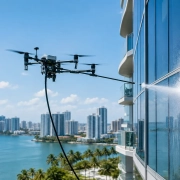
A cleaning drone is not simply a drone with a camera. It is purpose-built equipment operated by trained professionals to apply water and cleaning solutions to exterior surfaces from the air. The system can reach upper stories, façades, rooflines, and other elevated areas that are costly or difficult to service with traditional equipment.

The method is especially useful when a building needs regular exterior maintenance but does not need the heavy force of conventional pressure washing. Low-pressure cleaning, paired with the right eco-friendly solution, can break down organic growth and surface grime while treating the building material with appropriate care. That matters for painted stucco, coated surfaces, delicate trim, and exterior areas where excessive pressure can cause damage.

The visible benefit is straightforward: a cleaner exterior that improves curb appeal. The operational benefit is often even more valuable. With no scaffolding or lifts required for many applications, a property can avoid much of the setup, noise, blocked access, and extended disruption associated with high-access cleaning.

Why South Florida Exteriors Need Consistent Care

South Florida weather is hard on exterior surfaces. Humidity supports algae and mildew growth. Afternoon rain leaves moisture behind. Coastal salt can cling to surfaces, while storms and landscaping add dirt, pollen, and organic debris. On shaded sides of a building, staining can become noticeable long before a full property inspection is scheduled.

Waiting until discoloration becomes severe can make cleaning more difficult and can leave residents, tenants, guests, or prospective buyers with the impression that the property is not being cared for. For HOAs and commercial properties, exterior appearance is part of the day-to-day experience of living, working, or visiting there.

A recurring cleaning schedule is usually more manageable than a major catch-up project. The right timing depends on the property’s exposure, materials, landscaping, height, and proximity to the coast. A beachfront condominium may need a different maintenance rhythm than an inland office building or a two-story home surrounded by mature trees.

Where Drone Cleaning Makes the Most Sense

Exterior drone cleaning is a strong fit for buildings with elevated surfaces that are difficult to access from the ground. High-rise and mid-rise condominiums are obvious examples, but they are not the only ones. Multi-story residences, hotels, office buildings, retail centers, apartment communities, warehouses, and clubhouse facilities can all benefit when upper-level cleaning is part of the scope.

It is particularly useful for vertical walls and exterior features where a lift cannot easily be positioned or where lift access would interfere with parking, traffic flow, pedestrian areas, landscaping, or daily operations. A property manager may be able to schedule a drone cleaning with far fewer access complications than a conventional elevated work plan.

That does not mean a drone is the best tool for every cleaning job. Ground-level sidewalks, driveways, pool decks, and heavily soiled concrete may require conventional pressure washing. Deeply embedded stains, damaged paint, loose stucco, failing sealant, or an active leak are not cleaning issues alone and may need repair before washing. A professional assessment should match the method to the surface rather than forcing every area into one approach.

Safety and Reduced Disruption for Occupied Properties

For occupied condominiums and active commercial sites, exterior cleaning has to work around real life. Residents need access to their homes. Customers need to enter the business. Delivery drivers, maintenance teams, and emergency services need clear routes. Scaffolding and lifts can be necessary in certain situations, but they can also introduce scheduling, safety, and logistics concerns.

Drone cleaning reduces the need for people to work at height on many exterior surfaces. Operators remain on the ground while controlling the cleaning path and monitoring the work. The service area is still managed carefully, with attention to pedestrians, vehicles, nearby windows, landscaping, and building entrances, but the footprint is generally smaller than a large elevated-access setup.

Less equipment on site can also mean less visual disruption. That is a meaningful advantage for properties preparing for showings, inspections, events, seasonal occupancy, or board walkthroughs. Clean exterior surfaces can make a building look refreshed without making the property feel like a construction site.

Low Pressure Is Not Low Results

Some property owners assume that effective exterior cleaning always requires high pressure. That is not the case. High pressure has its place, particularly on durable ground-level concrete and certain hardscape surfaces. On building exteriors, however, more force is not always better.

A low-pressure approach relies on the proper cleaning solution, controlled application, adequate dwell time, and a thorough rinse. Instead of blasting contaminants away, the process treats and lifts organic growth and grime with less risk to sensitive finishes. The result can be a dramatic improvement in color, brightness, and overall appearance without unnecessarily stressing the surface.

Material matters. Painted surfaces, stucco, metal panels, glass, awnings, and exterior trim all respond differently. Before work begins, the cleaning team should consider the surface condition, visible staining, drainage, surrounding plant life, and any manufacturer guidance that applies to the building materials.

What to Ask Before Scheduling Exterior Drone Cleaning

A quality service provider should be able to explain the cleaning plan in plain language. Ask what surfaces will be cleaned, which areas are excluded, and whether low-pressure or conventional pressure washing is recommended for each part of the property. You should also ask how the team protects landscaping, manages runoff, secures the work area, and communicates with residents or tenants before service.

For larger properties, clear scheduling is just as valuable as the cleaning itself. A condominium board may need notice requirements, access coordination, and a phased plan by elevation or building section. A retail or office property may prefer work outside peak customer hours. The best approach is one that achieves visible results without creating unnecessary interruptions.

It is also reasonable to ask about operator training, insurance, and the equipment being used. Drone cleaning is specialized work. A professional provider should treat it as part of a complete property-care plan, not as a novelty added to a standard wash service.

A Better Maintenance Plan Starts With the Building You Have

The Cleaners Drones brings local cleaning experience and aerial access technology together for South Florida properties that need practical exterior care. The goal is not to use a drone just because it is new. The goal is to use the safest, most effective method for the surface, height, and access conditions involved.

If upper-level grime, algae, or weather staining is starting to affect the appearance of your property, take photos of the affected areas and note where the buildup returns most often. That simple information can help shape a cleaning plan that protects your building’s appearance, supports safer access, and keeps maintenance from becoming a larger problem later.