Water Loss Category Guide for South Florida Homes
A washing machine hose fails behind a wall. A roof leak spreads after a hard South Florida storm. A toilet overflows in a condo unit. The visible water may look similar, but this water loss category guide explains why the source changes everything about cleanup, safety, and the materials that may need to be removed.
Water damage is not just about how much water is on the floor. Restoration professionals classify water by its likely contamination level, then assess how far it traveled and what it affected. Moving quickly matters, but using the wrong cleanup approach can spread contaminants, trap moisture in building materials, and turn a manageable loss into a larger restoration project.
What Water Loss Categories Mean
Water loss categories describe the quality of the water at the source and the health risk it presents. The category helps determine whether affected contents can be cleaned, which protective measures are needed, and whether porous materials such as carpet padding, insulation, drywall, or upholstered furnishings can remain.
Categories can change over time. Clean water left standing in warm, humid conditions can become contaminated as it contacts dirty surfaces, building materials, or microbial growth. Water that travels through several units, walls, or floor assemblies also needs careful evaluation. That is one reason prompt extraction, drying, and documentation are so valuable.
A category is different from a water damage class. Category refers to contamination. Class refers to the amount of water absorbed and the extent of drying needed. A small but contaminated toilet overflow may be Category 3, while a large clean-water supply-line break may begin as Category 1. Both require a professional plan, but for different reasons.
Water Loss Category Guide: Categories 1, 2, and 3
Category 1: Clean water
Category 1 water comes from a sanitary source that does not pose a substantial health risk at the time of release. Common examples include a broken supply line, an overflowing sink with clean tap water, or a malfunctioning appliance that uses the home’s water supply.
Category 1 does not mean it is harmless to the property. Water can quickly wick into baseboards, drywall, flooring, cabinets, and carpet padding. Wood floors may cup or buckle, and moisture behind walls can support mold growth if drying is delayed. If a clean-water loss is found quickly and confined to nonporous surfaces, cleanup may be relatively straightforward. If it has been sitting for a day or more, reached concealed spaces, or mixed with soil and debris, the category may need to be reassessed.
Category 2: Gray water
Category 2 water contains a meaningful level of chemical, biological, or physical contaminants. It may cause discomfort or illness if someone is exposed to it, especially through ingestion or contact with eyes, broken skin, or sensitive respiratory systems.
Typical sources include washing machine discharge, dishwasher leaks, aquarium water, sump pump failures, and water from a toilet bowl with urine but no feces. Water that has flowed across dirty flooring, through a wall cavity, or from one residence into another can also be treated more cautiously depending on conditions.
With Category 2 water, do not assume that a towel and fan are enough. Affected materials must be evaluated based on porosity and exposure. Hard, cleanable surfaces may be sanitized and dried. Carpet and padding, porous contents, insulation, and swollen drywall may need more extensive treatment or removal. The right decision depends on the source, how long the water was present, and whether it migrated into hidden areas.
Category 3: Black water
Category 3 is grossly contaminated water that can contain harmful pathogens, sewage, toxins, or other unsanitary materials. It requires controlled cleanup procedures, appropriate protective equipment, and thorough cleaning and disinfection of affected structural surfaces.
Sewage backups, toilet overflows containing feces, rising floodwater, and water from outdoor ground intrusion are common Category 3 examples. In Palm Beach County, storm-related intrusion can bring in soil, bacteria, fuel residue, fertilizers, and other contaminants. Water from a drain line or a backup affecting multiple units should never be treated as a simple surface-cleaning problem.
Avoid entering a Category 3 area without proper protection. Keep children, pets, residents, and tenants away. Do not run HVAC equipment if contamination may have reached ducts or returns, and do not use household vacuums to remove the water. Porous items exposed to black water often cannot be safely restored, although nonporous surfaces may be cleaned and disinfected when the underlying structure remains sound.
The First Hours After a Water Loss
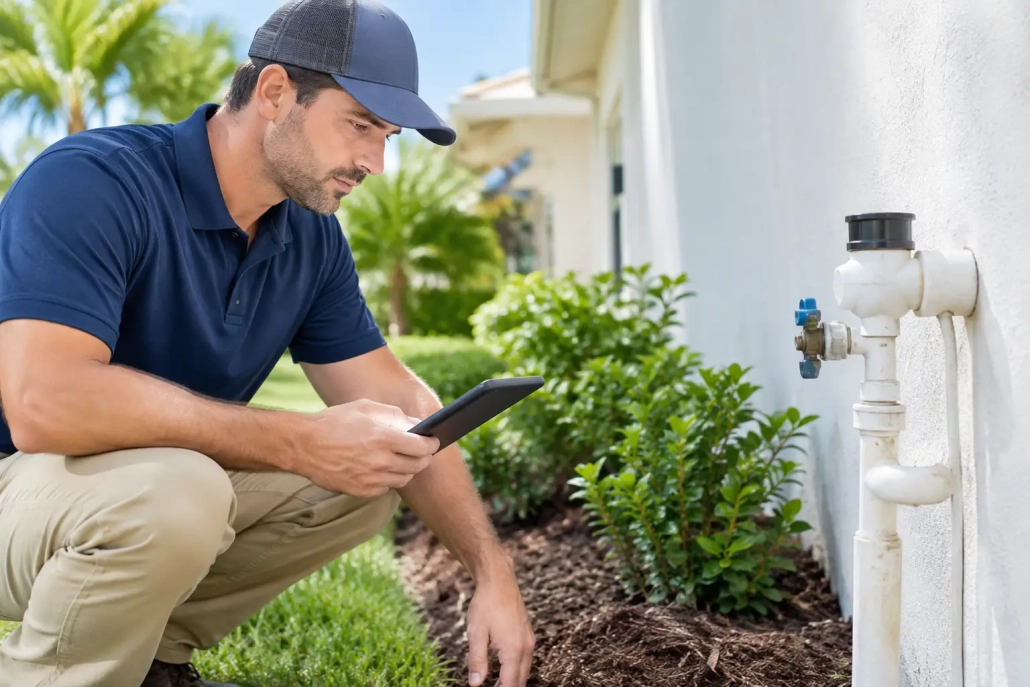
Your first priority is safety. If water is near electrical outlets, appliances, or the electrical panel, stay clear and call for help. Shut off the water source only if it is safe to do so. For a supply-line leak, the home’s main shutoff valve can limit damage while restoration service is arranged.
Then document what you can without delaying emergency action. Take photos and short videos of the source, standing water, affected rooms, and damaged belongings. Property managers and HOA boards should record the unit numbers, common areas, and any locations where water may have moved between floors. This information can support an insurance claim and help identify the full scope of work.
For a clean-water incident, move dry, unaffected belongings away from the area if doing so is safe. Lift draperies off wet flooring and remove lightweight items from carpet. Do not pull up carpet, open walls, or apply disinfectants to contaminated water without knowing the category. Those steps can make a later assessment more difficult and may spread contamination.
Why Drying Visible Surfaces Is Not Enough
A floor can feel dry while moisture remains under tile, behind baseboards, inside vanity toe kicks, or beneath engineered wood. In multifamily buildings, water can travel through penetrations around plumbing lines and show up far from the original leak. A ceiling stain in one unit may point to a plumbing or appliance issue above it.
Professional restoration relies on moisture detection, targeted water extraction, controlled air movement, dehumidification, and regular monitoring. The goal is not simply to remove puddles. It is to return affected materials to an appropriate dry condition while avoiding damage from excessive heat, poor airflow, or inappropriate equipment placement.
This is especially relevant in South Florida, where high outdoor humidity can slow natural drying. Opening windows may not help during humid or rainy weather. In some cases, it can add moisture to the space and make drying conditions harder to control.
Materials That Need a Closer Look
Water affects each material differently. Tile may appear unaffected, but moisture can move through grout lines and settle beneath the surface. Laminate flooring can swell at seams. Hardwood and engineered wood can warp, separate, or lose finish adhesion. Drywall can soften, while insulation may retain water long after the surface looks normal.
Carpet requires a source-specific decision. Category 1 water caught early may allow for extraction and structural drying, depending on the carpet, padding, and subfloor. Category 2 and Category 3 losses create higher concerns for padding, tack strips, subfloor contamination, and indoor air quality. Upholstered furniture and mattresses are also evaluated based on water category, fabric construction, fill material, and exposure time.
There is no responsible one-size-fits-all answer. A qualified assessment protects the parts of the property that can be saved and identifies materials that cannot be safely or reliably restored.
When to Call a Water Damage Restoration Professional
Call promptly when water has reached drywall, flooring, cabinets, carpet, multiple rooms, or a neighboring unit. Immediate professional help is also appropriate for sewage, stormwater, an unknown source, a leak that has been active for an unknown amount of time, or any situation involving electrical hazards.
For homeowners, the advantage is a clear plan for extraction, drying, cleaning, and documentation. For condo associations, property managers, and commercial operators, fast containment can help reduce disruption for residents, tenants, and adjacent spaces. The Cleaners Drones provides water damage restoration support with the practical focus property owners need: identify the source, protect the structure, dry the affected area correctly, and help prevent the next problem from starting behind the walls.
When water enters a property, trust what you see, but do not stop there. The source, contamination level, and hidden moisture path tell the real story. A quick, informed response gives your home or building the best chance for a clean recovery and a lasting result.


Leave a Reply
Want to join the discussion?Feel free to contribute!