High-Rise Drone Cleaning Without the Disruption
A clean exterior changes how a property is seen before anyone walks through the door. For South Florida condominiums, office buildings, hotels, and multi-story homes, that appearance is constantly challenged by humidity, wind-blown debris, algae, mildew, salt air, and everyday pollution. High-rise drone cleaning gives property owners a practical way to address that buildup without turning the property into a long-term construction zone.
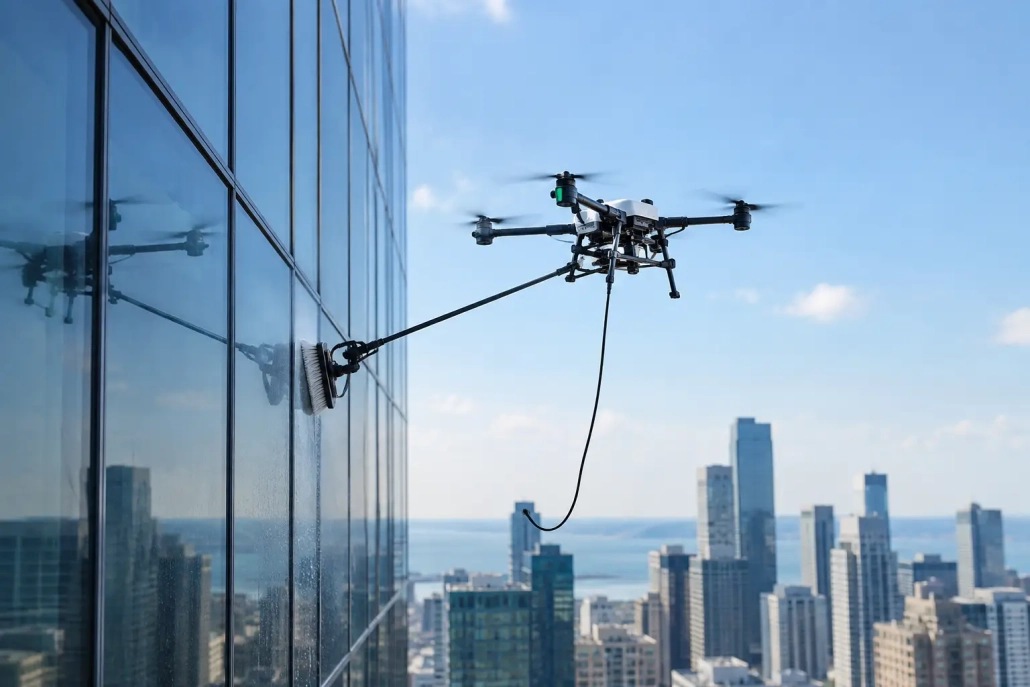
Traditional exterior cleaning at height often means scaffolding, boom lifts, rope-access crews, blocked parking, and weeks of visible equipment. Drone-powered cleaning takes a different approach. A trained operator uses aerial equipment to apply a controlled, low-pressure cleaning treatment to hard-to-reach exterior surfaces. The result is a detailed clean with far less disruption around the building.
Why exterior buildup is a bigger issue in South Florida
South Florida buildings work hard against the climate. Moisture encourages organic growth on stucco, painted surfaces, balconies, overhangs, and exterior walls. Near the coast, salt residue can leave surfaces looking dull and can contribute to faster wear when it is allowed to sit. Shaded sides of a building commonly show staining first, but sunny elevations collect their own mix of dust and airborne contaminants.
The issue is not only cosmetic. Dark streaks, green algae, and mildew can make a well-managed property look neglected. For a condominium board or commercial property manager, that affects resident confidence, tenant impressions, leasing conversations, and curb appeal. Routine exterior care helps maintain the clean, cared-for appearance people expect from Palm Beach County properties.
Waiting until staining is severe can make the project more involved. A regular cleaning schedule allows crews to treat buildup while it is still manageable and before it becomes the first thing residents and visitors notice.
How high-rise drone cleaning works
Drone cleaning is not simply flying a camera near a building. It is a professional cleaning process built around access, surface care, and controlled application. The drone is operated by a trained technician from the ground while the cleaning system reaches elevated walls and other exterior areas that would otherwise require major access equipment.
Low-pressure application is a key part of the process. High pressure can damage certain exterior materials, force water into vulnerable areas, or strip coatings when used incorrectly. The right cleaning method depends on the surface, its condition, the type of buildup present, and the building’s access points. A qualified provider evaluates those details before work begins.
For many properties, the workflow includes an exterior assessment, planning the work area, protecting nearby features as needed, applying an appropriate eco-friendly cleaning solution, and rinsing or treating the surface according to the material and conditions. The operator can maintain close visual control over the cleaning path, helping deliver consistent coverage across elevated sections of the building.
What surfaces may be a good fit?
High-rise drone cleaning can be a strong option for exterior walls, stucco, painted facades, building cladding, upper-story areas, and other hard-to-reach surfaces. It is especially valuable where a lift cannot easily be positioned or where scaffolding would create an unnecessary burden for residents, customers, or staff.
It is not the right answer for every exterior cleaning need. Fragile surfaces, active leaks, loose material, damaged caulking, or areas requiring physical repair may need a different approach. Windows also require their own assessment because cleaning methods vary by glass type, frames, seals, and surrounding materials. A professional inspection prevents a one-size-fits-all method from being used where it does not belong.
The practical benefits for property managers and HOAs
The biggest advantage is access without the usual footprint. A building can receive professional exterior cleaning without scaffolding wrapped around its facade or lifts occupying drive lanes and parking areas for extended periods. That matters when residents need clear access and businesses need to stay open.
There is also a meaningful safety benefit. Reducing the need for workers to spend long periods on elevated platforms or ropes reduces exposure to common access-related risks. Safe operation still requires planning, trained personnel, appropriate weather conditions, and a controlled work area. Drone technology improves the process, but it does not replace professional judgment.
For decision-makers, the benefits are straightforward:
- Less need for scaffolding, lifts, and large ground-level equipment
- Reduced interruption to parking, walkways, entrances, and daily operations
- Low-pressure methods that are better suited to many exterior surfaces
- More efficient access to elevated and difficult-to-reach areas
- A cleaner exterior that supports property appearance and ongoing maintenance
Cost is another reason many boards and managers consider this approach. The cleaning itself matters, but traditional access equipment can add substantial expense and logistical complexity. A drone-based method may reduce those access costs. The exact savings depend on the building height, layout, surface area, site restrictions, and scope of work, so every property should be evaluated individually.
Planning a clean with fewer surprises
A successful project starts before the drone is in the air. Property managers should share known concerns such as water intrusion, recently repaired areas, sensitive landscaping, resident events, restricted access times, and places where pedestrians or vehicles regularly pass. These details help the cleaning team create a realistic work plan.
Weather is also part of the equation. South Florida afternoon storms, high winds, and lightning can affect safe drone operation. Professional scheduling accounts for conditions rather than rushing the work. If the weather changes, a short delay is a better outcome than compromising safety or cleaning quality.
Communication with residents and tenants makes the experience smoother. A clear notice can explain the work window, any temporary parking or walkway restrictions, and what people can expect to see. Because the process avoids much of the equipment associated with conventional high-rise cleaning, the disruption is often easier to manage, but good communication still builds trust.
Choosing a provider for high-rise drone cleaning
A drone on its own is not a cleaning plan. Look for a company that understands both exterior cleaning and property operations. The team should be able to explain the cleaning method, identify the materials being treated, discuss safety procedures, and set realistic expectations for visible results.
Ask how the provider handles low-pressure cleaning, runoff control, surrounding landscaping, and weather interruptions. It is also reasonable to ask whether the company has experience working with condominiums, HOAs, commercial sites, and multi-story residences. These properties have different concerns than a single-family home, particularly when it comes to access, resident communication, and work-zone management.
The Cleaners Drones brings established professional cleaning experience together with aerial access technology for properties that need a smarter way to maintain elevated exterior surfaces. The goal is simple: deliver deep cleaning you can see while respecting the building, the people around it, and the schedule that keeps the property running.
A better way to protect curb appeal
A stained exterior does not need to become a scaffolding project. When a building is a good fit, high-rise drone cleaning can provide safer access, low-pressure care, and a noticeably cleaner appearance with less interruption to daily life.
If algae, mildew, salt residue, or exterior staining is beginning to affect your property, request an assessment before the buildup becomes harder to manage. The right plan can keep your building looking cared for while letting residents, guests, and tenants get on with their day.


Leave a Reply
Want to join the discussion?Feel free to contribute!