Mattress Cleaning for Dust Mites: What Works
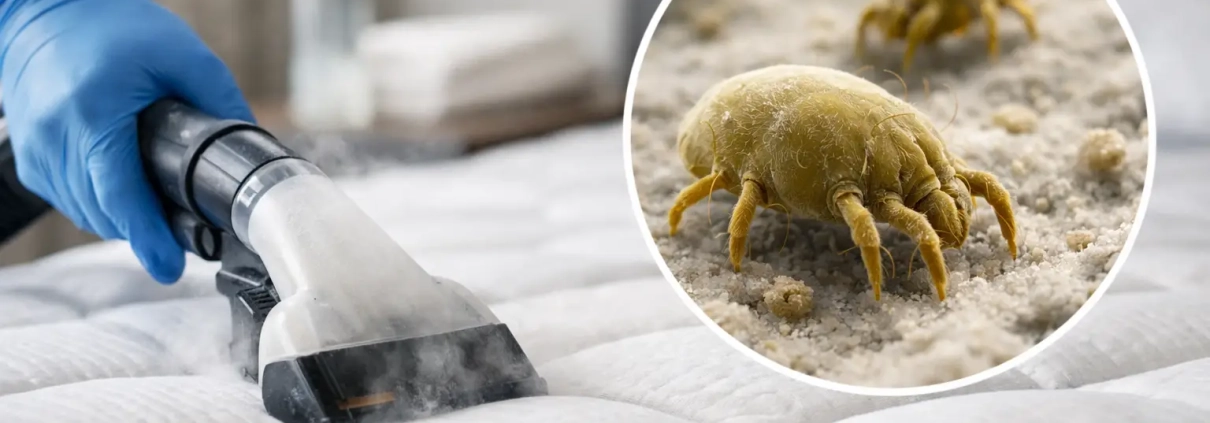
A mattress can look clean while holding the dust, skin flakes, and moisture that dust mites feed on. That is why mattress cleaning for dust mites is less about making the bed look better and more about reducing the allergens that can affect sleep, allergies, asthma, and morning congestion.
For Palm Beach County homes, humidity makes the job more challenging. Warm, humid air creates conditions dust mites prefer, especially in bedrooms with limited airflow, heavy bedding, pets, or upholstered headboards. A routine that controls moisture and removes allergen buildup can make a noticeable difference, but it needs to be the right routine for the mattress material.
What Dust Mites Leave Behind
Dust mites are microscopic pests that feed primarily on shed skin cells. They do not bite people, and seeing no visible bugs does not mean the mattress is free of allergen triggers. The bigger concern is the proteins found in mite waste and body fragments. These particles can become airborne when you move in bed, change sheets, or vacuum nearby.
For people with allergies or asthma, exposure may contribute to sneezing, itchy eyes, coughing, a stuffy nose, or symptoms that feel worse first thing in the morning. Children, older adults, and anyone with respiratory sensitivities may be especially affected.
A mattress is not the only place mites collect. Pillows, comforters, upholstered furniture, rugs, and curtains can also hold dust. Still, the mattress deserves special attention because it is used for hours every night and absorbs body oils, perspiration, and dead skin over time.
Mattress Cleaning for Dust Mites Starts With Moisture Control
No cleaning method permanently eliminates dust mites. The realistic goal is to lower the allergen load and make the bedroom less favorable for future buildup. In South Florida, controlling indoor humidity is one of the most useful steps you can take.
Keep the bedroom well ventilated and aim for indoor humidity below 50 percent when possible. Air conditioning helps, but a dehumidifier may be worthwhile in rooms that feel damp, have musty odors, or stay closed for much of the day. Letting a mattress air out after waking up can also help. Pull back heavy bedding for a short time rather than trapping overnight moisture under layers of blankets.
Waterproof, allergen-resistant mattress and pillow encasements create an effective barrier between sleepers and the mattress core. They are particularly helpful for older mattresses that have had years to accumulate allergens. Choose covers that fully zip around the mattress, and wash them according to the manufacturer instructions.
A Practical At-Home Cleaning Routine
Regular home care can reduce surface dust and improve the condition of the bed between professional cleanings. It should be gentle. Soaking a mattress, saturating it with sprays, or using too much steam can leave moisture deep in the padding, where odors and microbial growth may become another problem.
Start by stripping the bed and washing sheets, pillowcases, blankets, and mattress protectors in hot water when the fabric care label allows it. Heat is useful for reducing mite populations in washable bedding. Dry items completely before putting them back on the bed.
Vacuum the mattress slowly using a clean upholstery attachment or a vacuum with a HEPA filter. Work across the top, sides, seams, and piping, where dust often settles. This will not reach every particle inside the mattress, but it removes loose debris from the surface and helps keep buildup from becoming heavier.
If there is a fresh spill, blot it immediately with a clean white cloth. Use only a small amount of an upholstery-safe cleaner if needed, then allow the area to dry fully before remaking the bed. Avoid heavy fragrances and harsh household chemicals, especially if someone in the household has asthma, sensitive skin, or allergies.
For most households, washing bedding weekly and vacuuming the mattress monthly is a sensible baseline. Homes with pets that sleep on the bed, allergy sufferers, frequent guests, or young children may benefit from more frequent care.
When DIY Cleaning Is Not Enough
A vacuum and clean sheets are useful maintenance tools, but they cannot fully address what has settled below the surface over months or years. Professional mattress cleaning is often the better choice after an illness, a pet accident, a major spill, a move, or a long period without deep cleaning.
It is also worth scheduling service if the mattress has persistent odors, visible staining, a dusty smell when bedding is moved, or symptoms that consistently improve away from home. Those signs do not automatically mean dust mites are the only issue. Body oils, bacteria, moisture, pet dander, and old spills can all be part of the problem.
A professional should inspect the mattress construction before selecting a method. Memory foam, pillow-top, hybrid, latex, and traditional innerspring mattresses do not respond the same way to moisture, extraction, heat, or cleaning solutions. The safest process uses controlled application, thorough soil removal, and proper drying rather than a one-size-fits-all approach.
The Cleaners Drones provides detailed interior cleaning for South Florida homes and properties, including mattress cleaning designed to refresh heavily used sleeping surfaces without unnecessary saturation. The goal is a cleaner, more comfortable bed and a process matched to the material in front of us.
What to Expect From Professional Mattress Cleaning
The right cleaning appointment should begin with a close look at the mattress, including its fabric, age, stains, odors, and prior damage. This helps identify whether cleaning is appropriate or whether a damaged mattress may need replacement. For example, a mattress with widespread mold, deep urine contamination, or significant water damage may not be a good candidate for restoration.
A professional process commonly includes targeted vacuuming, treatment for stains or odors where appropriate, and deep cleaning methods suited to the fabric and fill. Drying time varies. A lightly cleaned mattress in a climate-controlled room may be ready sooner than a thick pillow-top mattress with multiple treated areas. Good airflow and air conditioning can speed drying, while a humid room can extend it.
Be cautious of promises to make a mattress completely sterile or permanently dust-mite-free. Those claims oversimplify the issue. A quality service reduces accumulated soil and allergens while helping you reset the mattress care routine. Ongoing bedding care and humidity control are what help preserve the result.
Do Not Forget the Rest of the Bedroom
Cleaning only the mattress can leave other allergen reservoirs untouched. If allergy symptoms persist, look at the whole sleep environment. Pillows should be washed or replaced according to their care labels, and decorative pillows, duvets, bed skirts, and upholstered headboards should not be ignored.
Four areas often need attention at the same time:
- Area rugs and carpet near the bed, which can hold dust and pet dander
- Upholstered chairs, benches, and headboards that collect skin cells and hair
- Window treatments that trap dust, especially in rooms kept closed
- HVAC filters and vents that affect the air circulating through the bedroom
This does not mean every bedroom needs a full cleaning project at once. Prioritize the areas with the most use, visible dust, pet exposure, or odor. For a condo, rental turnover, or family home with recurring allergy concerns, coordinating mattress, upholstery, and carpet cleaning can be more efficient than treating each item separately.
A Cleaner Bed Is a More Practical Habit
The best time to address dust-mite buildup is before the mattress develops odors, stubborn stains, or a neglected feel. Start with washable bedding, a quality encasement, controlled indoor humidity, and regular vacuuming. Then bring in professional help when the mattress needs deeper attention or the bedroom is contributing to ongoing allergy concerns.
A clean mattress cannot promise perfect sleep, but it can remove one more source of dust and discomfort from the room where your family spends every night. If the bed no longer feels as fresh as it should, a material-safe deep cleaning is a practical place to start.
Upholstery Cleaning for Pet Odors That Works
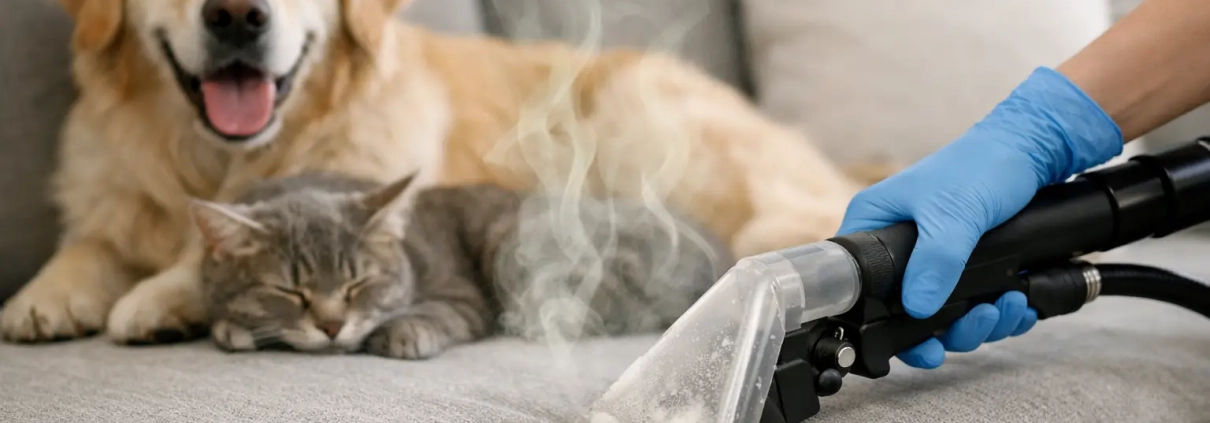
A sofa can look clean and still announce that a pet lives there the moment someone sits down. In South Florida, heat and humidity can make that problem more noticeable, especially when urine has reached the cushion filling or a damp spot was cleaned only at the surface. Effective upholstery cleaning for pet odors is not about covering the smell with fragrance. It means finding where the odor is trapped, treating the source safely, and drying the fabric thoroughly.
For homeowners, condo residents, and property managers, the difference matters. A fresh-smelling living room feels more comfortable for family, guests, buyers, tenants, and anyone walking into the property. More importantly, the right cleaning process protects the fabric and avoids the residue, overwetting, and recurring odors that rushed DIY attempts can leave behind.
Why Pet Odors Keep Coming Back
Pet odors are usually a source problem, not an air problem. Urine can travel through upholstery fabric, into the foam, and sometimes to the decking or frame beneath it. As moisture rises in the room, odor-causing compounds can become active again. That is why a chair may smell fine after cleaning but develop a familiar odor on a humid afternoon.
Dander, body oils, saliva, and damp fur can also build up gradually. This is common on the favorite end of a sectional, pet beds placed on upholstered furniture, and dining chairs where a dog rests its head. These soils do not always create a visible stain, but they can leave fabric looking dull and smelling stale.
The material of the furniture changes the approach. Synthetic microfiber often tolerates a different method than cotton, linen, velvet, wool, or delicate blends. Loose cushions may be treatable on both sides, while attached cushions require careful moisture control. Leather needs its own cleaning and conditioning process. A one-size-fits-all cleaner can create water rings, texture changes, color loss, or a longer drying time without solving the odor.
Upholstery Cleaning for Pet Odors Starts With Inspection
Professional results begin before any cleaning solution is applied. A technician should identify the upholstery fiber, inspect seams and cushion construction, and look for signs that a pet accident has moved below the surface. UV inspection can help locate some urine contamination that is not obvious in normal light, although it is one part of the assessment rather than a guarantee that every spot will fluoresce.
The technician also needs to separate old contamination from general pet-related soil. A couch that smells like wet dog may need a deep fabric cleaning and extraction. A cushion with repeated urine accidents may need targeted odor treatment, more time to dwell, and treatment beneath the fabric. If contamination has reached the cushion core extensively, cleaning can improve the situation, but replacing the foam may occasionally be the more dependable choice.
That honest diagnosis is valuable. It prevents a customer from paying for a surface refresh when the real issue is deeper in the furniture.
The Right Treatment Targets Odor-Causing Residue
For urine-related odors, enzyme or bacteria-based treatments are commonly used to break down the organic residue responsible for the smell. The treatment must contact the affected material at the level where the contamination exists. Spraying a light mist on the top of a cushion will not reach a problem that has soaked through to the foam.
After appropriate dwell time, the upholstery is cleaned using a method suited to the fabric. Depending on the piece, that may involve low-moisture cleaning, controlled hot-water extraction, or another manufacturer-approved process. The goal is to lift soil and cleaning residue while keeping moisture exposure controlled.
A deodorizer may be used as a finishing step, but it should not be the entire strategy. Heavy fragrances can mask an odor temporarily and make it harder to tell whether the source was removed. The best result is furniture that smells neutral and clean after it dries, not furniture that smells strongly perfumed.
Drying Is Part of the Job
In Palm Beach County and throughout South Florida, humidity can slow drying and give odors an opportunity to linger. Proper airflow and moisture control are essential after upholstery cleaning. Cushions should be positioned to allow air to circulate, and the room should remain ventilated or air-conditioned when possible.
Most professionally cleaned furniture dries within several hours, but the timeline depends on the fabric, cushion thickness, level of contamination, and indoor humidity. A deeply treated foam cushion can take longer than a lightly cleaned dining chair. Avoid putting cushions back into closed covers, placing blankets over them, or allowing pets to use the furniture before it is fully dry.
What to Avoid Before the Odor Gets Worse
It is understandable to reach for a household cleaner after an accident, but some common tactics create bigger problems. Over-saturating a cushion with water can push urine farther down. Using harsh chemicals or too much soap can damage fibers and leave a sticky residue that attracts soil. Steam applied without a material-specific plan may set certain stains or add excessive moisture.
Avoid mixing cleaning products, particularly if bleach, ammonia, or strong disinfectants are involved. Besides the potential for fabric damage, mixed chemicals can create unsafe fumes. If you do use a pet-safe spot treatment, blot rather than scrub, use only the recommended amount, and allow the area to dry completely.
For a fresh accident, act quickly. Blot up as much moisture as possible with clean white towels, working from the outside of the spot toward the center. Do not press so hard that you force liquid deeper into the cushion. Then arrange professional evaluation if an odor remains, the stain returns, or the accident soaked through the upholstery.
When Professional Cleaning Makes Sense
Professional upholstery care is especially worthwhile when the odor returns after DIY cleaning, a pet has had more than one accident in the same location, or the furniture is high-value, delicate, or difficult to replace. It is also a practical service before listing a home, welcoming a new tenant, moving into a condo, or preparing a property after a pet-owning occupant moves out.
For property managers and HOA communities, odor issues can affect resident satisfaction and turnover readiness. Addressing upholstered lobby seating, clubhouse furniture, model-unit pieces, or tenant-provided remediation needs with the right process helps maintain a clean, well-managed impression without unnecessary disruption.
The Cleaners Drones approaches interior cleaning with the same attention to detail used across its South Florida cleaning and restoration services. The focus is on a clear assessment, material-appropriate methods, and visible improvement without treating every piece of furniture as if it is made from the same fabric.
Keep Furniture Fresher Between Appointments
Regular maintenance makes deep odor treatment less likely to be needed. Vacuum upholstered furniture weekly with an upholstery attachment, including under loose cushions and along seams where hair and dander gather. Wash pet blankets regularly and keep them on a designated spot instead of allowing oils and fur to spread across the entire sofa.
If your pet favors one chair or section of the couch, consider a washable cover designed for that piece. This is not the most decorative choice for every room, but it can be a smart trade-off in homes with puppies, senior pets, or animals still adjusting to a new routine. Fabric protection can also help with future spill response, though it does not make upholstery immune to repeated accidents or eliminate the need for prompt cleanup.
When accidents happen more frequently, the long-term solution may include a veterinarian visit, more frequent walks, a refreshed litter box routine, or changes to where the pet sleeps. Cleaning resolves the residue in the furniture. Preventing the next incident protects the result.
A clean sofa should feel welcoming at close range, not just look acceptable from across the room. If a cushion still carries an odor after it dries, treat that as useful information: the source may be deeper than a surface cleaner can reach, and it is time for a more precise solution.
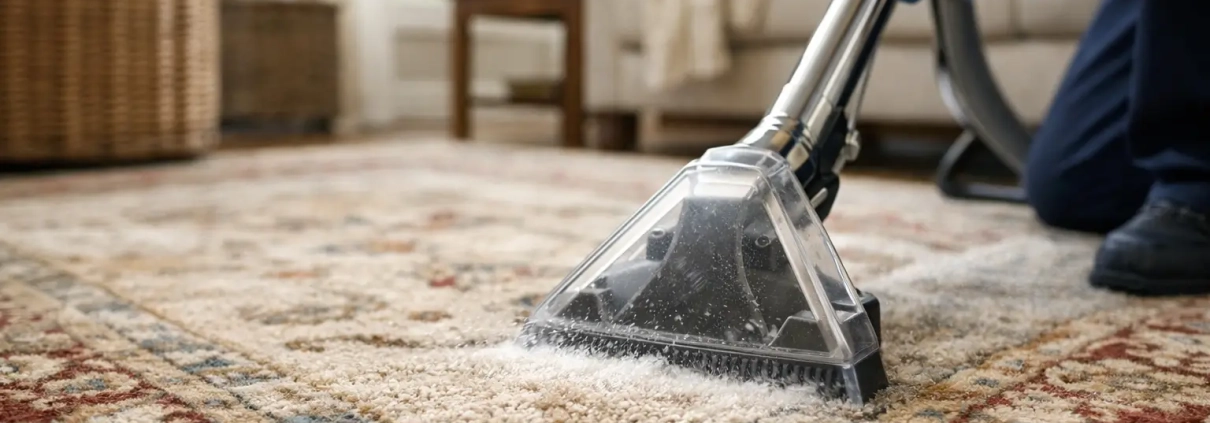
Area Rug Cleaning That Protects Your Investment
A beautiful area rug can make a Palm Beach County home feel finished, but it also collects more than most people realize. Sand tracked in from outside, pet hair, food spills, humidity-related odors, and fine dust settle deep below the surface. Effective area rug cleaning is not just about making colors look brighter. It is about removing the soil that wears fibers down, protecting the backing, and creating a cleaner space for the people who use it every day.
Vacuuming is essential, but it only handles part of the job. A rug may look acceptable from above while holding grit, oils, allergens, and residue in its foundation. The right cleaning method depends on the rug’s material, construction, dyes, age, and condition. That is why treating every rug like wall-to-wall carpet can lead to shrinkage, color bleeding, texture changes, or damage that cannot be reversed.
Why Area Rugs Need More Than Surface Cleaning
Every step across a rug presses soil farther into the pile. Sharp particles such as sand and grit act like tiny abrasives, gradually cutting at fibers as people walk across the surface. In South Florida, open doors, wet shoes, pets, and frequent indoor-outdoor activity can speed up that process.
Spills are another concern. A quick blot can prevent some stains from setting, but many common household products leave residue behind. Juice, coffee, wine, pet accidents, cooking oils, and store-bought spot treatments can attract more soil after the visible stain seems gone. Odors may also linger because the source has reached the rug backing or padding beneath it.
Professional care reaches beyond the top fibers to remove embedded contamination safely. The result is often a noticeable improvement in color, feel, and freshness, but the larger benefit is helping the rug last longer.
Area Rug Cleaning Starts With the Fiber
The most important question is not, “How dirty is this rug?” It is, “What is this rug made of?” A cleaning method that works well for one material may be risky for another.
Synthetic rugs made from nylon, polyester, olefin, or polypropylene are generally durable and common in high-traffic homes, condos, offices, and rental properties. Many respond well to professional hot-water extraction or low-moisture cleaning, depending on the backing and construction. They still need proper rinsing, because leftover detergent can make the rug feel stiff or cause it to attract dirt quickly.
Wool rugs require more caution. Wool is naturally resilient and can hold color beautifully, but overly aggressive agitation, high heat, alkaline products, and excessive moisture can damage it. A wool rug may also release dyes when wet, especially if it is handmade or richly colored. Controlled cleaning, color testing, and careful drying are part of protecting the investment.
Natural-fiber rugs, including jute, sisal, seagrass, and coir, are often the most sensitive. They can brown, shrink, develop water marks, or become misshapen if saturated. In many cases, a low-moisture approach and targeted spot treatment are safer than deep wet cleaning.
Silk, viscose, antique, hand-knotted, and heirloom rugs deserve specialized evaluation before any cleaning begins. These pieces can be delicate even when they appear sturdy. A professional should inspect the fibers, fringe, dye stability, backing, and previous damage before recommending a process.
When a Rug Should Be Cleaned Professionally
A routine professional cleaning is a smart choice when a rug has lost its brightness, feels matted, has a persistent odor, or leaves dirty-looking traffic paths around furniture. It is also the safer option after pet accidents, flooding, a large spill, or a failed do-it-yourself stain treatment.
Homeowners often call after trying a rental machine or a strong spot cleaner. The problem is not always the effort. It is that too much water, the wrong formula, or incomplete extraction can leave behind moisture and residue. In humid South Florida conditions, a rug that stays damp too long can develop an unpleasant smell and create concerns below the surface.
For homes with pets, children, allergy concerns, or frequent guests, cleaning may be needed more often. High-use rugs in entryways, living rooms, dining areas, and hallways usually need attention sooner than rugs in formal rooms. There is no single schedule that fits every property, but many households benefit from professional evaluation every 12 to 18 months, with faster service when spills or odors occur.
What to Do When a Spill Happens
Fast action can make a major difference, especially on a light-colored or natural-fiber rug. Start by blotting the spill with a clean white towel. Work from the outside edge toward the center so the stain does not spread. Avoid scrubbing, which can push the stain deeper and distort the pile.
Do not soak the rug, and do not use bleach, dish soap, or a mix of household products unless you know the fiber and dye can handle them. Some treatments remove color along with the stain. Others create a sticky residue that makes the area look dirty again within days.
If a pet accident has reached the backing, or if the rug has been exposed to a large amount of water, contact a cleaning professional promptly. Surface treatment alone may not remove the odor source. Moisture can also affect the floor underneath, particularly wood floors and laminate surfaces.
A Professional Process Protects the Rug and the Floor
Good results begin with inspection. A trained technician looks for fiber type, loose threads, fringe damage, wear patterns, stains, backing condition, and dye concerns. That assessment determines whether the rug can be cleaned in place or should receive specialized off-site treatment.
For rugs that are suitable for in-home service, the process may include thorough dry soil removal, pre-treatment of spots and traffic areas, controlled cleaning, extraction or low-moisture soil removal, grooming, and monitored drying. The goal is not to use the most water or the strongest chemical. The goal is to remove soil effectively while leaving the rug clean, stable, and properly dried.
The floor beneath the rug matters too. Moisture control is particularly important on hardwood, engineered wood, laminate, and delicate flooring. A careful cleaning team protects nearby furniture and flooring, communicates what the rug can realistically achieve, and identifies stains that may be permanent rather than promising an unrealistic result.
How to Keep Rugs Cleaner Between Appointments
Regular care extends the life of professional area rug cleaning. Vacuum both sides when the rug’s construction allows it, especially on durable synthetic rugs. This helps remove loose grit that settles through the pile. For delicate rugs, use gentle suction and avoid aggressive beater bars that can pull fibers or fringe.
Rotate rugs every few months if they receive uneven sunlight or foot traffic. Rotation helps colors fade more evenly and keeps one section from becoming permanently crushed. Use a quality rug pad to reduce slipping, cushion foot traffic, and limit wear from friction against the floor.
Entry rugs deserve extra attention because they catch the dirt before it reaches the rest of the home or business. If possible, use doormats at exterior doors and encourage guests, residents, or employees to wipe their feet before coming inside. Small habits like these reduce the amount of abrasive soil that reaches valuable rugs.
Choosing a Cleaning Team You Can Trust
Before scheduling service, ask how the company identifies rug fibers and handles delicate materials. The answer should be more specific than “we shampoo rugs.” A reputable cleaner will explain the recommended method, discuss stain expectations honestly, and confirm how they will protect your floors and furnishings.
Experience matters when a rug is expensive, sentimental, handmade, or located in a busy condo, office, or commercial common area. Property managers and HOA boards should also consider drying time, access needs, scheduling, and how the work will affect residents or daily operations.
The Cleaners Drones brings the same detail-focused approach used across South Florida properties to interior cleaning needs, including rugs that require careful material-specific service. The right process can bring back a rug’s appearance without creating unnecessary disruption or risk.
A rug does not need to look completely ruined before it deserves professional attention. Cleaning it before grit, stains, and odor become permanent is one of the simplest ways to protect the comfort, appearance, and value it brings to your space.