Highrise Cleaning Without Scaffolding or Lifts
A high-rise exterior can look tired long before the building itself has a problem. In Palm Beach County, salt air, humidity, wind-driven rain, mildew, algae, and airborne debris settle onto glass, stucco, concrete, balconies, and façade details. Highrise cleaning is not just about restoring curb appeal. It is a practical part of protecting the surfaces, reputation, and day-to-day experience of a property.
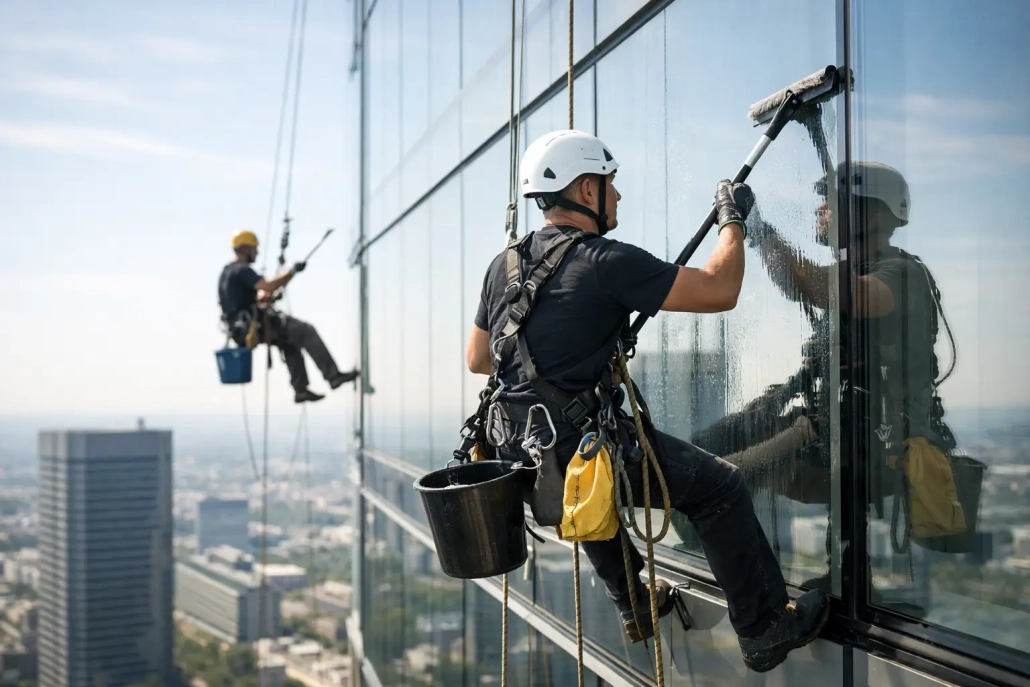
For condominium boards, property managers, commercial operators, and owners of multi-story homes, the challenge has always been access. Traditional cleaning often requires lifts, scaffolding, rope crews, blocked parking areas, and extended work zones. Drone-powered exterior cleaning changes that equation by bringing controlled, low-pressure cleaning where conventional equipment is costly or difficult to use.
Why Highrise Cleaning Matters in South Florida
South Florida buildings work hard against the climate. Moisture encourages organic growth, especially on shaded elevations, rooflines, ledges, and areas beneath overhangs. Salt particles can leave a dull film on exterior surfaces near the coast. Pollen, dust, construction residue, and traffic grime add another layer that makes a well-maintained property look neglected.
Left alone, that buildup can become more than a cosmetic concern. Mold and algae may retain moisture against certain finishes. Dirt can make small cracks, staining, failed sealant, or other maintenance issues harder to spot during routine inspections. On commercial and multifamily properties, a stained exterior also affects the first impression residents, tenants, guests, and prospective buyers take from the building.
Cleaning frequency depends on the building’s location, exposure, exterior materials, landscaping, and drainage. A coastal condominium with shaded sides may need attention more often than a building farther inland with open sun and less moisture retention. The goal is not to clean on a rigid schedule for its own sake. It is to address buildup before it becomes deeply established or requires more aggressive treatment.
How Drone-Powered Highrise Cleaning Works
Drone cleaning uses an aerial platform to apply a targeted cleaning solution and rinse exterior surfaces from a safe distance. The work is typically performed with a low-pressure approach designed for the material being cleaned. That matters because high pressure is not the right answer for every façade. On stucco, painted surfaces, delicate trim, seals, and certain cladding systems, excessive pressure can force water where it does not belong or damage the finish.
A professional crew begins by evaluating the building, identifying the surface materials, noting access points, and checking for conditions that need special care. The cleaning method should account for windows, ventilation openings, balconies, electrical fixtures, landscaping, pedestrian areas, and parked vehicles below.
Once the work area is prepared, the drone gives the technician controlled access to vertical and hard-to-reach sections. Instead of building out scaffolding or moving a lift around the property, the crew can clean high elevations with fewer ground-level obstacles. The result is a more efficient process for many properties, particularly where access is limited or where a lift would disrupt residents, tenants, customers, or traffic flow.
The right cleaning solution does the heavy lifting. Eco-friendly exterior treatments can break down algae, mildew, and surface grime so they can be rinsed away at appropriate pressure. The objective is a clean, even finish without treating every surface as if it were a driveway.
What Can Be Cleaned on a Multi-Story Property?
Exterior cleaning plans should be built around the property, not a one-size-fits-all package. Many high-rise and multi-story properties need attention on a combination of façade surfaces, upper-level walls, balconies, architectural features, and difficult access areas.
Common targets include:
- Stucco, painted concrete, and exterior masonry
- Exterior cladding, trim, ledges, and overhangs
- Balcony exteriors and rail-adjacent surfaces
- Mildew- and algae-stained upper elevations
- Multi-story residential and commercial exterior walls
Not every surface should receive the same cleaning chemistry or rinse pressure. Natural stone, aging paint, damaged stucco, wood accents, and areas with compromised caulking may require a more cautious approach. A capable provider will explain what can be cleaned safely, what may need repair first, and where expectations should be adjusted.
The Real Benefit: Less Disruption Around the Property
A clean building is valuable. A cleaning project that turns the property into a prolonged construction zone is less appealing.
Scaffolding and lifts can be necessary for certain inspections, repairs, and specialized work. There are situations where hands-on access is the only appropriate option. But for exterior washing, those methods may create avoidable complications: parking restrictions, blocked walkways, noise, resident notices, equipment staging, and longer setup times.
Drone-based cleaning can reduce many of those burdens. With no large lift traveling across the property and no scaffolding wrapped around the façade, crews can often keep common areas more accessible. That is especially useful for active condominium communities, retail sites, medical offices, hotels, and businesses that cannot afford to make a poor impression while maintenance is underway.
Reduced disruption does not mean reduced preparation. Safe service still requires a defined work perimeter, careful monitoring of weather conditions, protection for sensitive ground-level areas, and clear communication with the people who use the property. The difference is that the cleaning process can be organized around the building’s operations rather than forcing operations to stop around the equipment.
Safety Is Part of the Cleaning Plan
Highrise cleaning involves more than getting water to an upper floor. It requires planning for people, property, and changing site conditions. Wind, rain, nearby power lines, pedestrian traffic, and building geometry all affect how and when exterior work should be performed.
Professional drone cleaning helps limit the need for technicians to work from elevated scaffolding, ladders, or lifts during the wash itself. Fewer elevated access requirements can reduce risk and simplify the job site. Still, a responsible provider will not treat drone technology as a shortcut. They will use trained operators, follow site-specific safety procedures, maintain clear ground control, and postpone work when weather makes conditions unsuitable.
For HOA boards and property managers, this planning is often as important as the visible result. A low-disruption cleaning project should come with practical coordination: a site review, a clear scope of work, timing that respects residents or tenants, and realistic expectations about weather-related adjustments.
Choosing the Right Method for Your Building
The cheapest quote is not always the least expensive outcome. A cleaning method that damages paint, drives water behind a surface, misses upper-level staining, or creates major disruption can cost more in repairs and complaints than a properly planned service.
Ask how the provider will assess the exterior material and what pressure range or cleaning solution they intend to use. Confirm how they protect landscaping, windows, vehicles, and pedestrian areas. For a multi-story property, also ask how they handle difficult elevations, balconies, and areas where a lift cannot easily reach.
Experience across both exterior and interior cleaning can be an advantage. A company that understands surface-specific care is less likely to treat every cleaning problem with maximum force. The Cleaners Drones brings that practical cleaning background to drone-powered access, helping South Florida properties address high exterior surfaces without automatically resorting to scaffolding or lifts.
Keeping the Exterior Cleaner Between Services
A full exterior cleaning is more effective when basic maintenance supports it. Property staff can watch for irrigation overspray, drainage issues, standing water near walls, and landscaping that traps moisture against the building. Catching these conditions early helps slow the return of algae and staining.
After storms, it is also worth checking upper elevations and hard-to-see sections for residue, streaking, or new mildew growth. Early attention often means a more straightforward cleaning process later. For buildings near the coast, regular visual checks can help management stay ahead of salt film and weather-driven buildup.
A well-kept high-rise tells residents, visitors, and tenants that the property is being watched over. The best time to schedule cleaning is often before the stains become the first thing anyone sees.


Leave a Reply
Want to join the discussion?Feel free to contribute!