Area Rug Cleaning That Protects Your Investment

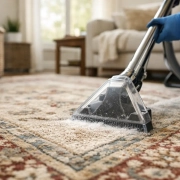
A beautiful area rug can make a Palm Beach County home feel finished, but it also collects more than most people realize. Sand tracked in from outside, pet hair, food spills, humidity-related odors, and fine dust settle deep below the surface. Effective area rug cleaning is not just about making colors look brighter. It is about removing the soil that wears fibers down, protecting the backing, and creating a cleaner space for the people who use it every day.

Vacuuming is essential, but it only handles part of the job. A rug may look acceptable from above while holding grit, oils, allergens, and residue in its foundation. The right cleaning method depends on the rug’s material, construction, dyes, age, and condition. That is why treating every rug like wall-to-wall carpet can lead to shrinkage, color bleeding, texture changes, or damage that cannot be reversed.

Why Area Rugs Need More Than Surface Cleaning

Every step across a rug presses soil farther into the pile. Sharp particles such as sand and grit act like tiny abrasives, gradually cutting at fibers as people walk across the surface. In South Florida, open doors, wet shoes, pets, and frequent indoor-outdoor activity can speed up that process.

Spills are another concern. A quick blot can prevent some stains from setting, but many common household products leave residue behind. Juice, coffee, wine, pet accidents, cooking oils, and store-bought spot treatments can attract more soil after the visible stain seems gone. Odors may also linger because the source has reached the rug backing or padding beneath it.

Professional care reaches beyond the top fibers to remove embedded contamination safely. The result is often a noticeable improvement in color, feel, and freshness, but the larger benefit is helping the rug last longer.

Area Rug Cleaning Starts With the Fiber

The most important question is not, “How dirty is this rug?” It is, “What is this rug made of?” A cleaning method that works well for one material may be risky for another.

Synthetic rugs made from nylon, polyester, olefin, or polypropylene are generally durable and common in high-traffic homes, condos, offices, and rental properties. Many respond well to professional hot-water extraction or low-moisture cleaning, depending on the backing and construction. They still need proper rinsing, because leftover detergent can make the rug feel stiff or cause it to attract dirt quickly.

Wool rugs require more caution. Wool is naturally resilient and can hold color beautifully, but overly aggressive agitation, high heat, alkaline products, and excessive moisture can damage it. A wool rug may also release dyes when wet, especially if it is handmade or richly colored. Controlled cleaning, color testing, and careful drying are part of protecting the investment.

Natural-fiber rugs, including jute, sisal, seagrass, and coir, are often the most sensitive. They can brown, shrink, develop water marks, or become misshapen if saturated. In many cases, a low-moisture approach and targeted spot treatment are safer than deep wet cleaning.

Silk, viscose, antique, hand-knotted, and heirloom rugs deserve specialized evaluation before any cleaning begins. These pieces can be delicate even when they appear sturdy. A professional should inspect the fibers, fringe, dye stability, backing, and previous damage before recommending a process.

When a Rug Should Be Cleaned Professionally

A routine professional cleaning is a smart choice when a rug has lost its brightness, feels matted, has a persistent odor, or leaves dirty-looking traffic paths around furniture. It is also the safer option after pet accidents, flooding, a large spill, or a failed do-it-yourself stain treatment.

Homeowners often call after trying a rental machine or a strong spot cleaner. The problem is not always the effort. It is that too much water, the wrong formula, or incomplete extraction can leave behind moisture and residue. In humid South Florida conditions, a rug that stays damp too long can develop an unpleasant smell and create concerns below the surface.

For homes with pets, children, allergy concerns, or frequent guests, cleaning may be needed more often. High-use rugs in entryways, living rooms, dining areas, and hallways usually need attention sooner than rugs in formal rooms. There is no single schedule that fits every property, but many households benefit from professional evaluation every 12 to 18 months, with faster service when spills or odors occur.

What to Do When a Spill Happens

Fast action can make a major difference, especially on a light-colored or natural-fiber rug. Start by blotting the spill with a clean white towel. Work from the outside edge toward the center so the stain does not spread. Avoid scrubbing, which can push the stain deeper and distort the pile.

Do not soak the rug, and do not use bleach, dish soap, or a mix of household products unless you know the fiber and dye can handle them. Some treatments remove color along with the stain. Others create a sticky residue that makes the area look dirty again within days.

If a pet accident has reached the backing, or if the rug has been exposed to a large amount of water, contact a cleaning professional promptly. Surface treatment alone may not remove the odor source. Moisture can also affect the floor underneath, particularly wood floors and laminate surfaces.

A Professional Process Protects the Rug and the Floor

Good results begin with inspection. A trained technician looks for fiber type, loose threads, fringe damage, wear patterns, stains, backing condition, and dye concerns. That assessment determines whether the rug can be cleaned in place or should receive specialized off-site treatment.

For rugs that are suitable for in-home service, the process may include thorough dry soil removal, pre-treatment of spots and traffic areas, controlled cleaning, extraction or low-moisture soil removal, grooming, and monitored drying. The goal is not to use the most water or the strongest chemical. The goal is to remove soil effectively while leaving the rug clean, stable, and properly dried.

The floor beneath the rug matters too. Moisture control is particularly important on hardwood, engineered wood, laminate, and delicate flooring. A careful cleaning team protects nearby furniture and flooring, communicates what the rug can realistically achieve, and identifies stains that may be permanent rather than promising an unrealistic result.

How to Keep Rugs Cleaner Between Appointments

Regular care extends the life of professional area rug cleaning. Vacuum both sides when the rug’s construction allows it, especially on durable synthetic rugs. This helps remove loose grit that settles through the pile. For delicate rugs, use gentle suction and avoid aggressive beater bars that can pull fibers or fringe.

Rotate rugs every few months if they receive uneven sunlight or foot traffic. Rotation helps colors fade more evenly and keeps one section from becoming permanently crushed. Use a quality rug pad to reduce slipping, cushion foot traffic, and limit wear from friction against the floor.

Entry rugs deserve extra attention because they catch the dirt before it reaches the rest of the home or business. If possible, use doormats at exterior doors and encourage guests, residents, or employees to wipe their feet before coming inside. Small habits like these reduce the amount of abrasive soil that reaches valuable rugs.

Choosing a Cleaning Team You Can Trust

Before scheduling service, ask how the company identifies rug fibers and handles delicate materials. The answer should be more specific than “we shampoo rugs.” A reputable cleaner will explain the recommended method, discuss stain expectations honestly, and confirm how they will protect your floors and furnishings.

Experience matters when a rug is expensive, sentimental, handmade, or located in a busy condo, office, or commercial common area. Property managers and HOA boards should also consider drying time, access needs, scheduling, and how the work will affect residents or daily operations.

The Cleaners Drones brings the same detail-focused approach used across South Florida properties to interior cleaning needs, including rugs that require careful material-specific service. The right process can bring back a rug’s appearance without creating unnecessary disruption or risk.

A rug does not need to look completely ruined before it deserves professional attention. Cleaning it before grit, stains, and odor become permanent is one of the simplest ways to protect the comfort, appearance, and value it brings to your space.
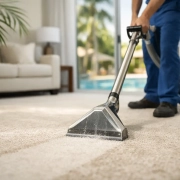
How to Remove Pet Urine From Carpet Safely

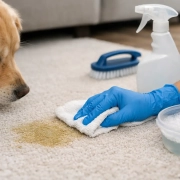
A pet accident can turn into a bigger carpet problem fast, especially in South Florida’s humidity. Knowing how to remove pet urine from carpet means treating more than the spot you can see. Urine can sink through carpet fibers, into the backing and padding, and leave behind odor-causing residue that comes back on warm or humid days.

The good news is that fresh accidents are usually manageable when handled promptly and correctly. Older stains and repeat accident areas require more care, and sometimes professional extraction, to avoid spreading the problem or damaging the carpet.

Why Pet Urine Odor Keeps Coming Back

Pet urine contains uric acid crystals. When a surface cleaner removes only the visible stain, those crystals may remain deep in the carpet. Moisture in the air can reactivate them, which is why a room may smell fine after cleaning but develop an odor again days later.

This is common in homes with wall-to-wall carpet, thick padding, or pets that repeatedly return to the same area. Cats can leave particularly persistent odors because their urine is more concentrated, while larger dogs can saturate a wider area of carpet and padding.

A proper cleanup has two goals: remove as much moisture as possible and use a cleaner that breaks down the odor source rather than covering it with fragrance.

How to Remove Pet Urine From Carpet When It Is Fresh

Speed makes a real difference. The less time urine has to travel into the backing and padding, the better the chance of a complete cleanup.

Blot, Do Not Scrub

Start by placing clean white towels or paper towels over the wet area. Press down firmly to absorb moisture. Stand on the towels if needed, then replace them and repeat until they come away mostly dry.

Avoid rubbing the carpet. Scrubbing can push urine farther into the fibers, spread the affected area, and roughen the carpet pile. White towels are best because colored towels can transfer dye to damp carpet.

Apply an Enzymatic Pet Urine Cleaner

Use an enzymatic cleaner made specifically for pet urine. These products use enzymes and bacteria-based ingredients to break down the organic material that creates lingering odor. A general carpet spray or deodorizer may improve the smell temporarily, but it often will not treat the source.

Follow the product directions closely. In many cases, the cleaner needs to reach as deeply as the urine did. For a small fresh spot, that may mean lightly saturating the fibers. For a larger accident, it may require enough solution to reach the backing without soaking an unnecessarily wide section of carpet.

Let the cleaner dwell for the recommended time. Then blot excess moisture and allow the area to air-dry completely. Keep pets away from the spot while it dries so they do not track cleaner or return to the same location.

Check for Remaining Odor After the Carpet Dries

Do not judge the result while the carpet is still damp. Wet carpet can mask or alter odors. Once the area is fully dry, smell it at carpet level. If the odor remains, repeat the enzyme treatment rather than layering scented products over it.

For a fresh accident caught quickly, this process is often enough. If the stain has dried, the odor has returned several times, or the pet used the same area repeatedly, move to a more thorough approach.

Treating Dried or Older Pet Urine Stains

Older urine spots can be difficult to locate because the stain may no longer be obvious. A black light can help identify some dried urine residue in a darkened room, though it may also reveal other materials. Mark suspected areas with a small piece of painter’s tape before cleaning so you do not lose track of them.

Vacuum the carpet first to remove dry soil. Then apply an enzymatic cleaner according to its instructions, allowing enough contact time for the product to work below the surface. Avoid rushing this step. The cleaner needs time to break down residue, particularly in dense carpet fibers.

After treatment, blot the area and use fans to speed drying. Good airflow matters in Palm Beach County homes, where humidity can keep carpet damp longer and create conditions that hold onto odor. Keep air conditioning running as usual and avoid closing off the room until the carpet is dry.

If the stain remains after odor treatment, a carpet-safe stain remover may help, but test it first in an inconspicuous area. Some stain treatments can lighten carpet color, especially on wool, natural fibers, or darker carpets. Odor removal and stain removal are related, but they are not always solved by the same product.

What Not to Use on Pet Urine

A well-intended cleaning shortcut can make the problem harder to correct. Skip these common mistakes:

  • Steam cleaning before odor treatment. High heat can set proteins and odors into carpet fibers, making them more difficult to remove.
  • Ammonia-based cleaners. Urine naturally contains ammonia-like compounds, so the smell may encourage a pet to mark the same spot again.
  • Heavy perfume sprays. Fragrance covers odor for a short time but does not remove the urine crystals underneath.
  • Too much water. Overwetting can drive contamination deeper into padding and, in severe cases, contribute to mold or mildew concerns.

Vinegar and baking soda are often suggested for minor household cleanup, but results vary. Vinegar can help with some surface odor, while baking soda can absorb residual smell after the carpet is dry. Neither is as reliable as an enzymatic treatment for urine that has reached the backing or padding. Use them cautiously and do not mix cleaning products together.

When Professional Carpet Cleaning Is the Better Choice

There is a point where spot cleaning becomes guesswork. Professional service is often the better option when urine odor returns after multiple treatments, stains cover a large area, or accidents have occurred repeatedly in one location.

A trained carpet cleaning team can assess whether the contamination is limited to the carpet face fibers or has reached the backing, padding, or subfloor. Professional extraction removes deeply embedded moisture and soil without the excessive soaking that can come from rental machines or repeated home treatments.

The condition of the carpet also matters. Delicate wool, silk-blend rugs, antique area rugs, and carpets with specialty fibers need material-specific cleaning methods. Using the wrong chemistry can cause color loss, texture changes, or permanent damage. For rental properties, condos, and homes preparing for a move, professional odor treatment can also help restore the room before new residents or buyers arrive.

For persistent pet odor in Palm Beach County, The Cleaners Drones can help identify the right carpet-cleaning approach and deliver a deeper clean designed around your carpet type and the severity of the issue.

Preventing Repeat Accidents in the Same Spot

Once the carpet is clean, prevent the pet from returning to the area. Animals are highly scent-driven, and even a faint remaining odor can signal that the spot is an acceptable bathroom location.

Make sure the carpet is fully deodorized, then block access to the area for a few days if possible. For dogs, more frequent outdoor breaks and a consistent routine can help. For cats, keep litter boxes clean, easy to access, and appropriate for the number of cats in the home. A sudden change in bathroom behavior may also be worth discussing with a veterinarian, particularly if a previously house-trained pet starts having accidents.

Consider adding washable rugs or pet-friendly runners in high-risk areas such as entryways, bedrooms, and spaces near patio doors. They are easier to clean quickly and can protect the wall-to-wall carpet underneath.

A Cleaner Carpet Starts With the Right First Move

The best response to a pet accident is calm and prompt: blot thoroughly, treat the odor source with the right product, and let the carpet dry completely. When the smell persists or the accident has reached below the surface, getting expert help early can protect both your carpet and the comfort of your home.

Carpet Cleaning That Works in South Florida

A carpet can look acceptable from across the room while holding weeks of tracked-in sand, pet hair, food residue, and moisture near the backing. In Palm Beach County, that buildup happens quickly. Professional carpet cleaning goes beyond brightening the surface – it removes the soil that makes carpet fibers look flat, feel rough, and hold onto odors.

For homeowners, condominium residents, property managers, and business owners, the right approach depends on the carpet, the problem, and how quickly the space needs to be back in use. A rushed cleaning method can leave residue behind or overwet the carpet. A material-specific process delivers the visible difference people expect while protecting the flooring underneath.

Why South Florida Carpets Get Dirty Faster

South Florida carpets work hard. Sand and fine grit come in on shoes, through sliding doors, and from entryways after a rainy afternoon. Those tiny particles act like sandpaper underfoot, gradually dulling fibers and wearing down high-traffic paths in hallways, living rooms, offices, and common areas.

Humidity adds another concern. When spills, pet accidents, or heavy cleaning leave too much moisture in the carpet, drying takes longer. That can lead to musty odors and create conditions where microbial growth is more likely. Fast, controlled drying is not an extra detail. It is part of a proper cleaning process in this climate.

Homes with children and pets usually need more frequent attention, especially around sofas, bedrooms, dining areas, and doorways. Commercial properties and multifamily buildings face a different version of the same issue: constant foot traffic, beverage spills, elevator-area soil, and the pressure to keep shared spaces presentable without disrupting residents or customers.

What Professional Carpet Cleaning Actually Removes

Vacuuming matters, but it only handles a portion of dry debris near the surface. Over time, carpet holds onto fine soil, oils from skin and shoes, pollen, dander, and sticky residue from spills. Some spots become darker because the fibers have been repeatedly compressed and soiled, not because one dramatic stain occurred.

A professional technician begins by identifying the fiber type, pile, age, and condition of the carpet. Synthetic carpet, wool, area rugs, and delicate blends do not all respond to the same products or water temperature. The stain itself also matters. Coffee, red wine, grease, pet urine, ink, and makeup each require a different treatment strategy.

The goal is not to use the strongest chemical possible. It is to use the right solution, enough agitation to loosen soil, and thorough extraction to remove contaminants and cleaning residue. When residue is left behind, carpet can resoil faster. That is why a carpet that looks good on cleaning day can look dull again a few weeks later after an incomplete job.

The Carpet Cleaning Process That Protects Your Floors

A dependable service should feel organized from the first walkthrough to the final inspection. Before cleaning begins, furniture placement, traffic patterns, visible stains, pet concerns, and drying needs should be discussed. This helps set realistic expectations, particularly with older stains or heavily worn carpet.

Inspection and Pre-Vacuuming

A close inspection identifies permanent discoloration, loose seams, damaged backing, bleach spots, and heavily worn lanes. These conditions cannot always be reversed with cleaning, but they should be recognized before work begins.

Pre-vacuuming removes loose dry soil that can otherwise turn into mud during wet extraction. It is an easy step to skip, but it makes a meaningful difference, particularly in homes with pets and in commercial entry areas.

Targeted Spot Treatment and Preconditioning

Stains are treated based on their source and the carpet material. A general-purpose cleaner may not remove an oily food stain, and an aggressive stain remover can damage certain fibers or alter color. Professional spot treatment is controlled, tested where appropriate, and followed by proper rinsing.

Preconditioning helps loosen embedded soil before extraction. High-traffic areas may receive additional attention because they usually contain a combination of dry grit, body oils, and residues from previous spot-cleaning products.

Deep Extraction and Controlled Drying

Hot water extraction is often the best choice for many installed carpets because it flushes soil from deeper in the pile while removing the cleaning solution. The process should use enough extraction power to recover moisture efficiently, not leave the carpet saturated.

Some carpets or situations may call for low-moisture cleaning instead. This can be a practical option for offices, occupied units, or spaces that need a shorter turnaround. The trade-off is that low-moisture methods are not always the best answer for deeply contaminated carpet, heavy pet issues, or extensive residue. The right method depends on the carpet’s condition, not a one-size-fits-all sales pitch.

Air movement, ventilation, and humidity levels affect drying time. Most carpets should be damp rather than soaked after service. Keeping the air conditioning running, using ceiling fans, and limiting foot traffic until the carpet is dry can help preserve the result.

When a Stain Is Still Worth Treating

Older stains can be frustrating, but age alone does not mean they are permanent. Some stains reappear because residue deep in the backing wicks upward as the carpet dries. Others have set into the dye sites of the fiber or have altered the carpet color. A professional inspection can tell the difference.

Pet urine deserves prompt attention because the visible spot is not always the full affected area. Odor-causing residue can move beyond the surface and into the backing or padding. Surface shampooing may temporarily mask the odor without addressing the source. Effective treatment may require locating affected areas, using specialized odor-control products, and allowing proper dwell time before extraction.

There are limits. Bleach damage, burned fibers, worn traffic lanes, and permanent dye loss are repair or replacement concerns rather than cleaning concerns. A trustworthy provider explains that clearly instead of promising impossible results.

How Often Should You Schedule Carpet Cleaning?

For many households, professional cleaning every 12 to 18 months is a sensible baseline. Homes with pets, young children, allergies, or frequent entertaining may benefit from service every 6 to 12 months. If the carpet looks gray along walking paths, has a noticeable odor, or feels sticky or matted, waiting for the annual calendar reminder is probably not necessary.

For rental properties, condos, offices, and common areas, frequency should follow traffic rather than a fixed schedule. A lightly used executive office may need periodic maintenance, while a busy lobby or unit turnover may require more frequent cleaning. Regular maintenance is usually easier on the carpet and more cost-effective than trying to restore it after years of buildup.

What to Do Before and After Carpet Cleaning

A little preparation helps the appointment move efficiently. Clear small items, fragile décor, pet bowls, and cords from the areas being cleaned. Point out stains, odors, and any spots that have been treated with store-bought products. That information helps the technician choose the appropriate method.

Afterward, avoid placing furniture back on damp carpet unless protective tabs or blocks are used. Keep pets and children off the area until it is dry, and wait before applying any additional spot products. If a spot returns during the drying process, take note of when and where it appears. That detail can help determine whether wicking or another issue is involved.

Choosing a Carpet Cleaning Company With Confidence

The lowest quote is not always the lowest overall cost. Ask what cleaning method will be used, whether spot treatment is included, how drying will be managed, and whether the company has experience with your carpet type. Clear answers are a good sign. So is a provider that explains limitations before starting work.

The Cleaners Drones brings the same detail-focused approach used across South Florida properties to interior cleaning needs, from family homes to managed commercial spaces. The priority is simple: clean carpet thoroughly, treat the material correctly, and leave the space ready to enjoy again.

A clean carpet changes more than the color of a room. It makes the space feel cared for, more comfortable underfoot, and ready for the people who live or work there every day.

Eco Friendly Building Washing for South Florida

Salt air, humidity, wind-driven rain, and year-round sun can make a clean South Florida building look weathered faster than owners expect. Eco friendly building washing gives property managers, HOA boards, and homeowners a practical way to remove organic growth and surface grime without relying on harsh methods that can damage finishes, landscaping, or daily operations.

For a multi-story condominium, office building, hotel, or large residence, the challenge is not simply getting the exterior clean. It is reaching every elevation safely, treating each surface correctly, and keeping residents, customers, and neighbors comfortable while the work is underway. The best approach balances visible results with responsible chemistry, controlled water use, and low-pressure application.

What Eco Friendly Building Washing Really Means

Eco-friendly exterior cleaning is not just a label for using less water. It means selecting cleaning products and methods based on the building material, the type of buildup, and the surrounding property. A solution that works well on a concrete walkway may not be appropriate for painted stucco, glass, metal panels, tile roofing, or landscaping below.

In South Florida, exterior buildup commonly includes algae, mildew, mold, salt residue, pollen, airborne pollutants, and dark streaks caused by moisture. These contaminants can make a property look neglected, but aggressive pressure washing is not automatically the answer. Too much pressure can scar soft stucco, push water behind siding or window seals, strip paint, disturb caulking, and leave uneven results.

A lower-pressure wash uses properly diluted cleaning solutions to break down organic growth before a controlled rinse removes it. This approach lets the cleaning agent do the hard work rather than blasting the surface. When handled by trained professionals, it is effective on many exterior materials while reducing unnecessary stress on the building.

Why Low Pressure Matters for Exterior Surfaces

Pressure has a place in professional cleaning, particularly for durable concrete, pavers, and certain hardscape areas. But a building facade is rarely one uniform surface. Window frames, sealants, vents, screens, balconies, decorative finishes, and painted surfaces all require a more measured process.

Low-pressure washing is especially valuable for stucco, a common finish across Palm Beach County. Stucco can hold moisture and collect algae in its texture. A high-powered stream may remove visible staining in the moment while creating etching, chips, or water intrusion concerns that cost far more to repair later.

The same principle applies to roofs, painted trim, exterior wood, and aging surfaces. A professional cleaning plan should begin with an inspection, not a one-setting-fits-all machine. The technician should identify the surface condition, note delicate areas, choose the right solution concentration, and determine where controlled pressure is appropriate.

Drone Cleaning Changes the Access Problem

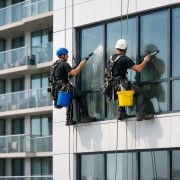
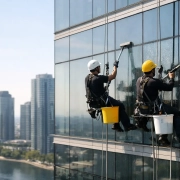
Traditional high-rise cleaning often requires lifts, scaffolding, rope access, or a large ground crew. Those options can be necessary for repairs and hands-on work, but they can also create long work zones, parking restrictions, noise, and added safety exposure for routine exterior washing.

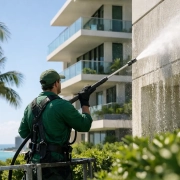
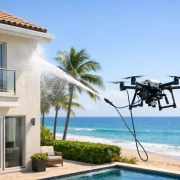
Drone-powered cleaning offers a different option for suitable buildings. A trained operator can guide a specialized cleaning drone along upper stories and difficult-to-reach elevations, applying a low-pressure wash with consistent coverage. The process helps eliminate the need for scaffolding or lifts in many exterior cleaning situations.

For condominium boards and commercial property managers, that can mean fewer disruptions around entrances, parking areas, walkways, and resident routines. It also reduces the need for workers to spend extended periods at height. No method is right for every property, however. Buildings with complicated architecture, heavy deterioration, inaccessible water connections, or repair needs may require a combined approach. A site assessment helps determine whether drone cleaning is the safest and most efficient fit.

The Cleaners Drones uses aerial technology alongside established exterior cleaning practices, so the plan can account for both access and surface protection rather than treating the drone as a novelty.

Protecting Landscaping, People, and Waterways

Eco friendly building washing should include careful preparation before a single wall is cleaned. South Florida properties often have mature palms, flowering shrubs, turf, pool decks, and drainage areas close to the building. Those details matter.

Professionals protect nearby vegetation by pre-wetting it, applying cleaning products in controlled amounts, monitoring overspray, and rinsing thoroughly after the job. They should also manage runoff thoughtfully, especially near storm drains, waterways, pools, and outdoor living spaces. Products need to be used according to manufacturer directions and local requirements, not mixed or applied casually.

Occupant safety deserves the same attention. A well-managed project includes clear work-zone controls, communication with residents or tenants, and attention to slippery surfaces during and after rinsing. On a busy retail or office site, the cleaning schedule may need to happen before opening hours or in phases that preserve safe customer access.

When Building Washing Delivers the Best Value

Waiting until exterior staining becomes severe can make cleaning more difficult and may shorten the life of coatings and finishes. Regular maintenance is generally easier on the property than a major corrective wash after years of buildup.

The right schedule depends on exposure. A building near the coast may need more frequent washing because of salt air. A shaded side of a condominium can develop algae faster than the sun-facing elevation. Properties near busy roads may collect more dust and exhaust residue, while buildings surrounded by trees may deal with pollen, leaves, and moisture-related staining.

For many South Florida properties, an annual exterior assessment is a sensible starting point. The assessment can identify early algae growth, clogged areas around gutters or drains, fading paint, and locations where water is repeatedly collecting. From there, a professional can recommend whether the property needs a full wash, targeted cleaning, or routine maintenance on selected elevations.

Questions to Ask Before Hiring a Building Washing Company

The lowest bid does not always reflect the safest process or the best long-term value. Before choosing a provider, ask how they plan to clean your specific exterior material and whether they use high pressure, low pressure, or a combination of both. Ask what steps they take to protect landscaping, windows, outdoor furniture, vehicles, and pedestrian areas.

For multi-story properties, ask how the company will access upper elevations and what disruption the plan creates. If drone cleaning is proposed, confirm that the operator has experience with exterior washing, not simply drone photography. You also want clear communication about project timing, any access requirements, and what results are realistic for aged stains, oxidation, or permanent surface discoloration.

A capable provider will answer directly. They will explain the process in plain language, point out limitations before work begins, and avoid promising that every stain can be erased without considering the condition of the material underneath.

A Cleaner Exterior Without a Bigger Headache

A well-kept exterior supports property value, resident confidence, tenant experience, and curb appeal. Just as important, the cleaning process should not create avoidable risks for the surfaces you own or the people who use the property every day.

Choose a team that treats exterior washing as a material-specific maintenance service, not a race to use the most pressure. With the right low-pressure method, responsible product handling, and safer access for upper stories, your building can look noticeably cleaner while staying ready for the next stretch of South Florida weather.

Condo Facade Cleaning Without Scaffolding

A stained facade can make a well-managed condominium look neglected long before the problem reaches the lobby or landscaping. In South Florida, humidity, salt air, algae, mildew, airborne dust, and storm residue build up quickly on exterior walls. Condo facade cleaning without scaffolding gives boards and property managers a practical way to restore the building’s appearance without turning the property into a prolonged construction zone.

For many communities, exterior cleaning has traditionally meant scaffolding, boom lifts, rope-access crews, blocked parking areas, and weeks of resident questions. Those methods still have a role for certain repairs, but routine facade washing does not always require them. Drone-powered low-pressure cleaning can reach elevated exterior surfaces with less ground equipment, less disruption, and a more controlled approach to difficult access.

Why Condo Facades Get Dirty So Fast in South Florida

South Florida’s climate is hard on a building exterior. Warm temperatures and frequent moisture create ideal conditions for algae and mildew, especially on shaded elevations, overhangs, balconies, and walls near landscaping. After rain, dust and organic material can cling to textured stucco, painted concrete, EIFS, and other common facade materials.

Coastal properties have another challenge: salt carried in the air. Salt residue can leave a dull film on glass, metal details, railings, and painted surfaces. It may also hold moisture against the building, which is a good reason to keep up with a regular cleaning schedule rather than waiting until discoloration is visible from the street.

The issue is not just cosmetic. Heavy organic growth can make a property look poorly maintained, affect first impressions for prospective buyers and tenants, and lead to more aggressive cleaning needs later. Consistent exterior care protects curb appeal and helps boards stay ahead of avoidable buildup.

How Facade Cleaning Without Scaffolding Works

Drone exterior cleaning uses a remotely operated aerial system to apply a carefully selected cleaning solution and low-pressure rinse to upper-level surfaces. Instead of placing scaffolding against the building or moving a lift across the property, trained operators work from a controlled ground area while the drone reaches the cleaning zone.

The method is designed for washing, not for repairs or hands-on restoration. A drone can treat areas that are expensive or inconvenient to access with conventional equipment, including upper facade sections, vertical walls over landscaped areas, courtyard-facing elevations, and exterior surfaces above limited-access parking.

The right process begins before the drone leaves the ground. A professional team reviews the building height, facade material, surface condition, drainage, access points, nearby power lines, landscaping, pedestrian routes, and weather. The cleaning method should be adjusted to the property, not applied as a one-size-fits-all wash.

Low pressure matters. High-pressure washing can damage paint, force water behind vulnerable joints, scar softer surfaces, or disturb failing caulk. For most facade cleaning, the goal is to let the proper solution do the work, then rinse at a pressure appropriate for the material. This approach is especially valuable for painted stucco and other finishes common across Palm Beach County.

A cleaner property with fewer operational headaches

Scaffolding can be necessary when crews need to repair concrete, seal joints, replace components, or perform detailed hands-on inspections. But it adds time, cost, and logistical complications when the task is simply to remove surface-level dirt, mildew, and algae.

For a routine cleaning project, avoiding scaffolding can reduce the footprint on the property. Fewer large structures may mean less interference with parking, walkways, entrances, views, and resident routines. It can also reduce the time a building appears to be under active construction.

That distinction matters for occupied condos. A board needs a service plan that improves appearance without creating a new set of complaints about noise, access restrictions, and equipment staging.

The Safety Advantage Is About Planning, Not Shortcuts

Cleaning elevated building surfaces always involves risk. The benefit of drone cleaning is not that safety can be ignored. It is that the process can reduce the need to place workers on scaffolding, lifts, or suspended platforms for standard washing work.

A responsible project still requires a defined work zone, trained operators, weather monitoring, communication with property management, and careful protection of people and property below. Ground crews need to manage hoses, secure the cleaning area, and prevent pedestrian traffic from passing through active work zones.

Wind is one of the biggest factors. South Florida afternoon weather can change quickly, and high winds or approaching storms may require a project to pause. A dependable cleaning provider will not rush an aerial operation just to keep a calendar date. Safe conditions and a quality result come first.

Property managers should also expect advance coordination. Residents may need notice about temporary parking adjustments, balcony items, open windows, pets, or restricted walkway areas. Clear communication prevents surprises and helps the crew work efficiently.

What Can Be Cleaned With a Drone System?

Drone cleaning is well suited to many exterior surfaces, but suitability depends on the building and the condition of the facade. It is often effective for removing algae, mildew, dust, grime, salt residue, pollen, and general weathering from vertical exterior areas.

Common applications include painted stucco, concrete walls, exterior cladding, high-rise and mid-rise condo facades, commercial exteriors, courtyard elevations, and difficult-to-reach multi-story residential walls. It may also support cleaning around architectural features where a lift cannot be positioned easily.

However, cleaning is not the same as repair. Cracked stucco, loose material, failed sealant, active leaks, deteriorated paint, damaged flashing, and structural concerns should be evaluated before washing. Water can reveal existing weaknesses, and a cleaning contractor should point out visible concerns rather than treating them as cosmetic details.

Certain areas may still require conventional access. Deep recessed balconies, heavily obstructed surfaces, delicate decorative elements, or locations close to sensitive equipment may call for a different method. The best answer is sometimes a combined plan: drone cleaning for broad elevated facade areas and traditional ground-level or hands-on service for details that need it.

Choosing the Right Cleaning Schedule

There is no single schedule that fits every condominium. A beachfront tower, a shaded garden-style community, and an inland commercial property face different exposure levels. Most boards benefit from inspecting the facade regularly and scheduling cleaning before organic staining becomes widespread.

Visible streaks are an obvious signal, but they should not be the only trigger. Look at shaded sides of the building, areas beneath rooflines, walls near irrigation, and elevations exposed to prevailing coastal winds. These places often show buildup first.

A proactive schedule can also make each cleaning more manageable. When dirt and organic growth are allowed to sit for years, they may require more dwell time, more treatment, and more careful spot work. Regular maintenance keeps the building looking consistently cared for and reduces the risk of an urgent, disruptive project before a major inspection, board meeting, sale season, or community event.

Questions a Condo Board Should Ask Before Booking

The lowest quote is not always the lowest-risk choice. Before selecting a provider, a board or manager should understand how the work will be performed, what surfaces will be treated, and what protections are in place for residents and the property.

Ask whether the provider uses low-pressure methods appropriate for the facade material, how they manage runoff and nearby landscaping, and what happens if weather changes during the job. Confirm that the scope identifies excluded areas and any visible pre-existing damage. It is also useful to ask how resident notifications, work-zone control, and access limitations will be handled.

For drone-based service, experience matters. A drone is a specialized access tool, not a substitute for cleaning knowledge. The operator and cleaning team should understand how different exterior materials respond to moisture, detergents, pressure, and repeat cleaning. The result should be a visibly refreshed facade without unnecessary risk to finishes, windows, landscaping, or common areas.

A Better Way to Maintain a Visible Asset

A condominium facade is one of the community’s largest and most visible assets. When it is clean, the entire property feels more cared for, from the entrance drive to the balconies and common areas. When it is stained, even excellent interior maintenance can be overlooked.

For South Florida communities, drone-powered facade cleaning offers a practical middle ground between doing too little and committing to a major access operation for routine washing. The Cleaners Drones helps property decision-makers plan low-pressure exterior cleaning with safety, minimal disruption, and visible results in mind. A site-specific assessment can show whether your building is a good candidate and help your board choose the right path before buildup becomes the first thing residents and visitors notice.

High Rise Exterior Cleaning Without Disruption

A clean exterior changes how a property is seen before anyone walks through the door. But on a high-rise or multi-story building, cleaning that exterior has traditionally meant lifts, scaffolding, blocked parking areas, noise, extended work zones, and difficult coordination with residents or tenants. High rise exterior cleaning no longer has to create that level of disruption.

For South Florida condominiums, HOAs, commercial properties, and multi-story residences, drone-powered cleaning provides a practical way to remove buildup from hard-to-reach exterior surfaces. The right process can refresh the building’s appearance while helping property teams avoid the access challenges that often drive up project costs and inconvenience.

Why South Florida Buildings Get Dirty So Fast

Our climate is hard on exterior surfaces. Heat, humidity, heavy rain, windblown debris, salt air near the coast, and frequent shade create ideal conditions for algae, mildew, mold, and grime. What starts as a faint green or dark streak along a wall can spread across stucco, painted concrete, balconies, facades, soffits, and other exterior areas.

This is not only a cosmetic issue. Organic growth can hold moisture against certain surfaces, make walkways and entry areas look neglected, and leave residents or visitors questioning the level of property maintenance. For managed communities and commercial buildings, exterior appearance is part of resident satisfaction, tenant confidence, leasing appeal, and curb appeal.

Routine exterior maintenance is usually less disruptive and more manageable than waiting until buildup becomes severe. The right schedule depends on the property’s location, surrounding landscaping, exposure to shade, and the materials being cleaned. A coastal tower may need more attention than an inland building, while a shaded elevation can develop growth faster than a wall with full sun.

What Makes High Rise Exterior Cleaning Different

Cleaning a one-story home is largely an access question solved with ground equipment. Cleaning a tall condo or commercial building adds a much more complicated set of concerns: worker safety, traffic control, resident access, equipment staging, water management, and the risk of damaging sensitive finishes.

Traditional methods often rely on scaffolding, boom lifts, suspended platforms, or rope-access crews. These methods may still be necessary for some work, especially repairs, inspections, sealing, or detailed hand work. However, for many exterior cleaning projects, they can add considerable setup time and create large work zones around the property.

Drone cleaning changes the access model. A trained operator uses an aerial cleaning system to apply cleaning solution and rinse targeted exterior areas from a controlled distance. This makes it possible to address elevated walls and architectural features without placing large equipment against the building or closing off broad sections of the property.

That does not mean every surface should receive the same treatment. Cleaning a painted stucco facade, glass, metal panel, stone accent, or delicate coating requires material-specific judgment. Before work begins, the cleaning approach should account for the surface condition, the type of buildup, drainage areas, landscaping, nearby vehicles, and the building’s operational needs.

Low Pressure Protects the Surface and the Property

Many property owners hear “pressure washing” and picture an aggressive stream of water stripping paint or forcing moisture into cracks. That concern is valid when the wrong pressure or technique is used.

For exterior facades, low-pressure cleaning is often the better choice. A properly selected cleaning solution does much of the work by loosening and treating algae, mildew, and grime. Water is then used to rinse the surface rather than blast it. This approach is especially valuable for stucco, painted surfaces, and other materials that can be harmed by excessive force.

Low-pressure cleaning is not a shortcut. It requires careful solution selection, proper dwell time, controlled application, and a thorough rinse. On a tall building, it also requires attention to runoff and the areas below. A professional crew should protect landscaping, identify sensitive areas, and plan the work so residents, pedestrians, vehicles, and ground-level operations are considered.

The Practical Benefits for HOAs and Property Managers

A building can look better after a cleaning, but the process matters just as much to the people responsible for the property. Boards and managers need a service that fits within real operating conditions, not a plan that creates avoidable complaints or lengthy closures.

Drone-powered exterior cleaning can reduce the need for scaffolding and lifts, which can mean less equipment staging, fewer blocked parking spaces, and less interruption around entrances and common areas. It can also allow crews to work efficiently across large, elevated sections of a facade without repeatedly relocating heavy access equipment.

For residents and tenants, reduced disruption is often the most noticeable advantage. Fewer large machines around the building can mean easier access to parking, sidewalks, pools, loading areas, and entrances. For commercial operators, it can help preserve a more professional customer experience during maintenance work.

Safety is another major consideration. Any exterior project at height requires trained professionals, disciplined site procedures, and an understanding of the property environment. By reducing the need to place workers on certain elevated access systems for routine washing, drone cleaning can reduce exposure to some of the risks associated with working at height. It does not eliminate the need for a safety plan, insurance, controlled work areas, or clear communication with the property team.

Signs Your Building Is Ready for Exterior Cleaning

Exterior buildup is often gradual, so it can be easy to overlook until the contrast becomes obvious. Property teams should consider an evaluation when they notice several of these conditions:

  • Green, black, or gray streaks on stucco, walls, columns, soffits, or balcony exteriors
  • Uneven color caused by algae, mildew, pollution, or accumulated grime
  • Dirty areas around shaded elevations, rooflines, drains, and air-conditioning equipment
  • A dull or neglected appearance that affects curb appeal, tenant impressions, or listing photos
  • Increasing complaints about the building looking weathered or poorly maintained

A visual inspection can also identify areas that need a different service altogether. Stains caused by rust, irrigation overspray, oxidation, failed paint, or water intrusion may not respond to standard exterior washing in the same way as organic growth. Good cleaning starts with identifying the cause, not simply applying more pressure.

Planning a Cleaner Project From Start to Finish

The best exterior cleaning projects begin with a clear site review. Property decision-makers should expect a provider to ask about building height, surface materials, access points, landscaping, parking, resident schedules, water availability, and any known trouble spots. If the building has a history of leaks, loose paint, damaged stucco, or façade repairs, those details matter.

Communication is equally important. Residents and tenants should know when work is scheduled, which areas may have temporary access limitations, and how to prepare balconies, patios, or vehicles if needed. A well-organized plan prevents surprises and protects the customer experience.

The Cleaners Drones brings this same practical approach to South Florida properties, combining professional cleaning experience with drone technology designed for difficult exterior access. The goal is visible improvement without turning routine maintenance into a major property disruption.

After cleaning, the building should be checked for consistency. Some areas may need a second pass because they receive less sunlight or have heavier buildup. Photos and a walkthrough can help managers document the work and plan the next maintenance interval based on actual conditions rather than guesswork.

A Better Standard for Exterior Maintenance

High-rise cleaning is not about making a building look new for one afternoon. It is about protecting the impression your property makes every day, while choosing a process that respects residents, tenants, staff, and the surfaces themselves.

If exterior growth is starting to show, address it before it becomes the first thing people notice. A professional evaluation and a clear, low-disruption plan can help you keep the building looking cared for without making daily operations harder than they need to be.

Drone Cleaning Palm Beach for Safer Exteriors

Palm Beach properties do not stay clean for long. Humidity, salt air, windblown debris, mold, algae, and pollen can quickly leave exterior walls, roofs, balconies, and upper-level surfaces looking weathered. Drone cleaning Palm Beach property owners can rely on gives them a practical way to restore those hard-to-reach areas without turning the property into a construction zone.

For a homeowner, that may mean cleaning a multi-story exterior without a lift parked in the driveway. For a condo board or commercial property manager, it can mean fewer access issues, less disruption for residents and tenants, and a safer plan for maintaining building appearance. The right approach still depends on the surface, the level of buildup, and the property layout, but aerial cleaning has changed what is possible.

Why Palm Beach Exteriors Need More Frequent Care

South Florida’s climate is tough on exterior surfaces. Moisture creates the conditions mold and algae need to grow. Coastal air can leave behind salt residue, while afternoon storms push dirt and organic debris into corners, overhangs, ledges, and upper walls. Shaded sections of a building often show staining first, but sunny elevations are not immune to buildup.

What starts as a faint green or dark streak can become a much more noticeable appearance issue over time. On communities and commercial properties, that affects curb appeal, resident satisfaction, and the impression a building makes on visitors. On homes, it can make an otherwise well-kept property look neglected.

Regular exterior cleaning is not only about appearance. It also helps property decision-makers spot developing concerns such as clogged drainage areas, damaged caulking, loose debris, or surface deterioration that might otherwise stay out of sight. Cleaning does not replace an inspection or repair service, but clearer surfaces make it easier to see what needs attention.

How Drone Cleaning Works in Palm Beach

Drone-powered cleaning uses an aerial platform to apply a controlled, low-pressure cleaning solution to elevated exterior surfaces. The drone operator works from the ground while the equipment reaches locations that can be difficult, expensive, or disruptive to access with traditional methods.

This is especially useful for high-rise buildings, condominiums, HOA communities, commercial structures, and multi-story homes. Instead of relying on scaffolding, suspended access equipment, or large lifts for every area, drone cleaning can address many elevated surfaces with a far smaller ground-level footprint.

The process begins with evaluating the property. A professional needs to understand the building height, nearby power lines, landscaping, pedestrian areas, surface material, drainage, and the type of staining present. From there, the cleaning plan can account for access, safety controls, rinse requirements, and the proper cleaning method.

Low pressure matters. Heavy pressure can damage painted finishes, force water behind siding, disturb delicate sealants, or leave marks on certain exterior materials. A properly selected cleaning solution does the work of breaking down organic growth and buildup, while low-pressure application helps protect the surface.

It Is Not a One-Method Service

Drone cleaning is highly effective for many exterior applications, but it is not the answer to every cleaning need. Ground-level patios, driveways, sidewalks, pool decks, and heavily soiled hardscapes may be better suited for conventional pressure washing. Delicate areas, damaged surfaces, or sections requiring hand detail work may call for a different approach.

A trusted provider should recommend the method that makes sense for the property, not force every job into one technology. The advantage of a full-service cleaning company is having more than one option available.

The Biggest Benefits for Property Managers and HOAs

For multifamily and commercial properties, access is often the biggest obstacle to exterior maintenance. A cleaning project must work around resident parking, deliveries, sidewalks, landscaping, businesses, and daily building operations. Traditional access equipment can be necessary in some situations, but it can also add time, cost, and disruption.

Drone cleaning reduces many of those challenges. It can limit the need for scaffolding and lifts, keep work zones smaller, and reduce the number of people who need to work at height. That is a meaningful safety benefit for boards and managers responsible for selecting vendors and protecting residents, staff, and visitors.

The visual results matter, too. Clean exterior walls, upper facades, rooflines, and architectural details support the standard of care residents expect from a well-managed community. For commercial properties, a cleaner building exterior strengthens first impressions before a customer even walks through the door.

Scheduling is another practical advantage. With fewer equipment logistics, aerial cleaning can often be planned with less impact on parking areas and common spaces. Timing still matters. Weather, wind, building access, and site activity all affect the schedule. A professional team should communicate clearly about what areas will be cleaned, what needs to be moved or protected, and what residents or tenants should expect on service day.

What Surfaces Can Be Cleaned With a Drone?

Aerial cleaning can be used on many elevated exterior areas, including building facades, exterior walls, upper-level balconies, rooflines, soffits, overhangs, and hard-to-reach architectural features. It may also be appropriate for certain roofing applications when the cleaning method is compatible with the roofing material.

The key is surface-specific planning. Stucco, painted masonry, metal, tile, concrete, and composite materials can all react differently to pressure, cleaning products, and water exposure. A building with fragile paint, existing cracks, loose tiles, or water intrusion concerns deserves extra care before any cleaning begins.

That is why a quote should not be based on building height alone. The cleaning team should consider square footage, accessibility, surface condition, staining severity, water management, and the level of protection needed around landscaping and occupied areas.

Choosing a Drone Cleaning Company in Palm Beach

The technology is impressive, but the operator and cleaning plan matter more than the drone itself. Look for a local provider that understands both exterior cleaning and the practical demands of Palm Beach County properties. A drone should be part of a professional service process, not a novelty added to an otherwise incomplete plan.

Ask how the provider protects people and property below the work area, what cleaning products are used, how they handle landscaping, and whether low-pressure methods are selected based on the surface. You should also ask what areas require traditional cleaning rather than aerial service. Straight answers are a good sign.

For larger properties, it helps to discuss the work in phases. A condo association may want to start with the most visible elevations, upper common areas, or sections showing the heaviest algae growth. A commercial operator may need service scheduled around peak business hours. A homeowner may be focused on a single difficult-to-access exterior wall or roofline. The plan should fit the property rather than follow a one-size-fits-all checklist.

The Cleaners Drones brings this approach together with professional exterior cleaning experience, low-pressure eco-friendly methods, and a focus on safe access without unnecessary scaffolding or lifts.

A Cleaner Exterior Without the Usual Disruption

Waiting until exterior staining becomes severe usually makes the property look worse and can make the cleaning project more involved. A better approach is to address visible buildup before it spreads across walls, rooflines, and common areas.

If your home, condominium, HOA, or commercial building has upper surfaces that have been difficult to maintain, request a free quote based on the actual property conditions. The right cleaning plan can improve the view, protect daily operations, and make exterior care feel far more manageable.